Davy Knot — Fast Knot for Fly Fishing Tippet
April 26, 2026
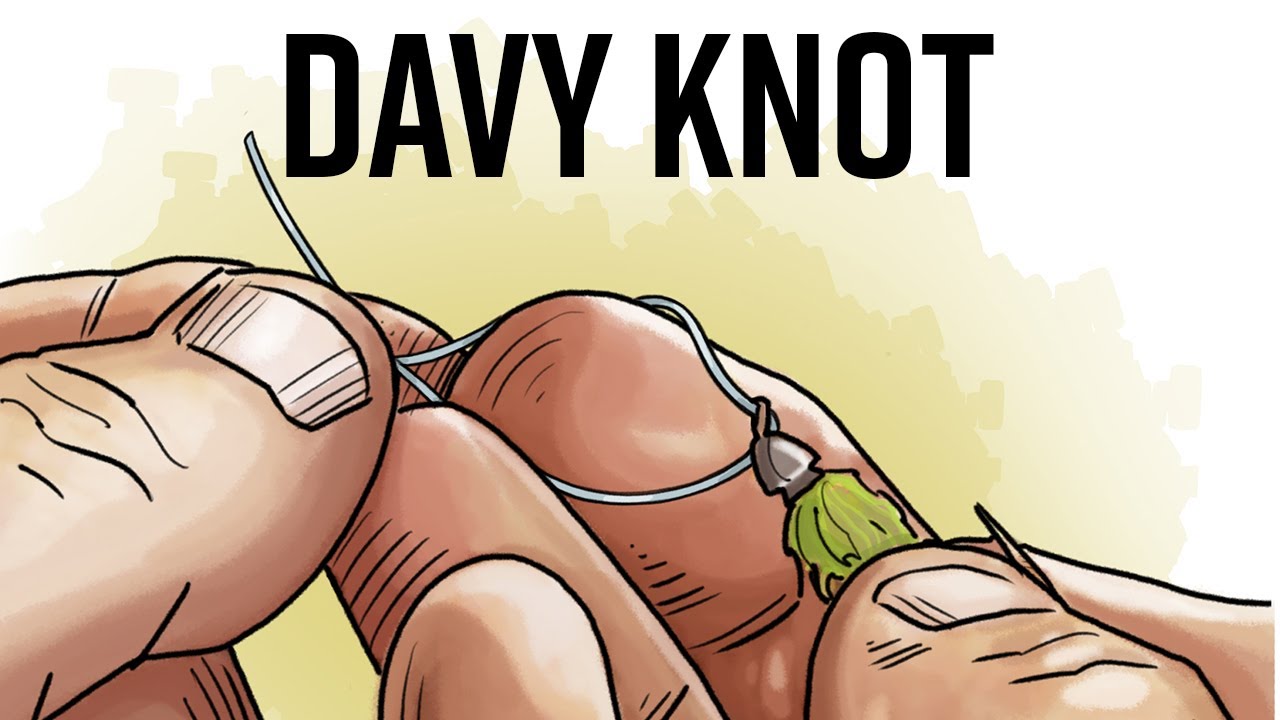
What Is the Davy Knot?
The Davy knot — invented by British fly fisher Davy Wotton — is the fastest hook-tying knot in fly fishing. Designed specifically for tying small dry flies and nymphs to fine tippet, the Davy uses a single wrap and a back-pass to lock onto the hook eye. It ties in 5-10 seconds with practice — faster than any other knot in this guide.
For Indiana fly anglers chasing stocked trout on select streams or panfish on small lakes and creeks, the Davy lets you change flies frequently without losing fishing time.
How to Tie a Davy Knot
- Pass the tippet through the hook eye, leaving 4-5 inches of tag.
- Form a small loop in the tag end on top of the standing line.
- Pass the tag under the standing line, creating a figure-8.
- Pass the tag back through the small loop.
- Wet the knot.
- Pull both ends simultaneously to seat the knot tight against the hook eye.
- Trim the tag flush.
That’s it — single wrap, back through the loop, done.
Improved Davy Knot
For more strength, before trimming:
- Pass the tag through the small loop a second time.
- Then wet, tighten, and trim.
The Improved Davy retains roughly 90-95% line strength versus 80-85% for the standard Davy.
When to Use a Davy
- Dry fly fishing — frequent fly changes during a hatch
- Nymphing with size 14+ patterns
- Light tippet (4X to 7X) for trout
- Streamer fishing on light tippet for trout in clear water
- Panfish fly fishing with small poppers and bugger patterns
When to Skip It
- Heavy tippet (0X-3X) — improved clinch or non-slip loop is stronger
- Big flies (size 8 and larger) — knot strength gap matters more
- Saltwater applications — not enough strength margin
- Bass and trophy fish fly fishing — non-slip loop is the standard
Indiana Applications
- Stream trout fishing — Big Walnut Creek, Roaring Fork (Boone County), and other select Indiana stocked-trout streams
- Lake Michigan tributary trout — small egg patterns and nymphs on light tippet
- Bluegill on small poppers and wet flies — light tippet, frequent fly changes
- Stocked trout streams — Pigeon Creek, Mill Creek, where fast fly changes during a stocking truck day make a difference
Tying Tip
The Davy feels like cheating the first few times — it seems too simple to actually work. Trust the knot — it’s been thoroughly tested. Practice on heavy mono at home so you can see the wraps clearly. Once you can tie it without thinking, you’ll tie 95% of your flies on Davy knots and never look back.
The Bottom Line
Among Indiana fly anglers, the Davy knot is gaining ground rapidly. The speed advantage during a hatch is real, and for the size flies and tippets that match Indiana trout fishing (size 14 and smaller, 4X-7X tippet), strength is more than adequate. It’s worth ten minutes of practice tonight to add this knot to your toolkit.
Frequently Asked Questions
Is the Davy knot strong enough for fly fishing?
On light tippet (4X to 7X) and small flies (size 14-22), yes — properly tied the Davy retains 80-90% of tippet strength, more than enough for trout. For larger flies and heavier tippet (3X and bigger), an improved clinch is generally stronger and worth the extra two seconds.
Why use a Davy knot over an improved clinch?
Speed. A Davy knot ties in 5-10 seconds; an improved clinch takes 15-20. When trout are rising and you've changed flies five times in an hour, the Davy saves real fishing time. It's also more compact, which matters on micro-tippet.
What about the Improved Davy?
The Improved Davy adds one extra wrap step at the end, increasing strength to 90-95% but doubling the tying time. For most trout fishing the regular Davy is sufficient — save the Improved Davy for bigger flies or trophy fish situations.