What to Expect on Your First Guided Fishing Trip
March 19, 2026
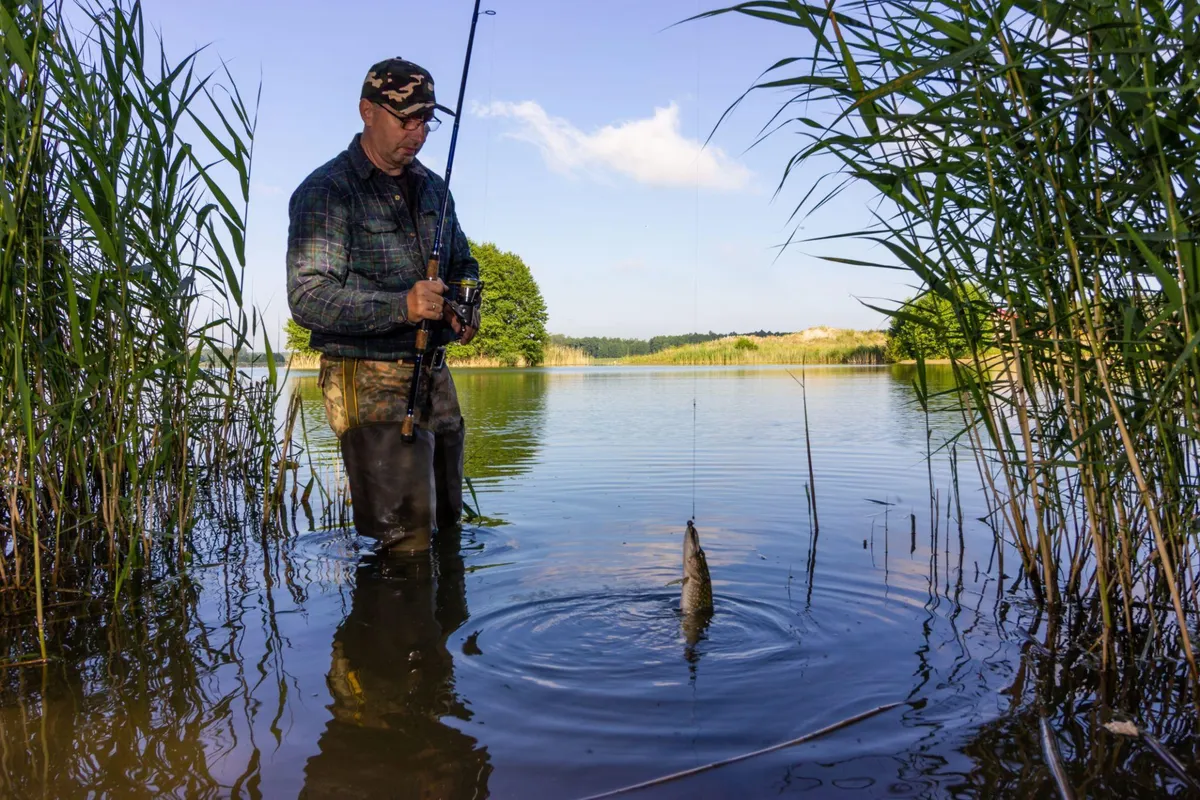
Booking your first guided fishing trip can feel like a big step, especially if you are new to fishing or unfamiliar with the water. You might wonder if you need to bring your own gear, whether you need to know how to fish already, or what happens when you actually get on the boat. This guide walks you through the entire experience — from booking to tipping — so you know exactly what to expect.
The short version: fishing guides want you to have a great time, they are prepared for beginners, and your job is simply to show up ready to learn. The guide handles everything else.
Before the Trip
Booking the Guide
Most guides accept bookings by phone, email, or through their website. When you reach out, be upfront about your experience level. Tell the guide if this is your first time fishing, if you have kids in the group, or if anyone has physical limitations. This is not embarrassing — it is helpful. It lets the guide plan the right type of trip for your group.
Questions to ask when booking:
- What species are you targeting right now?
- What is included in the trip (boat, tackle, bait, fish cleaning)?
- What should I bring?
- What is the cancellation policy?
- Is there a bathroom on the boat? (A reasonable question, especially for families.)
The guide will confirm the date, time, meeting location, and deposit. Most guides require a deposit of $50 to $200 to hold the date.
Getting Your Fishing License
Indiana requires every angler age 18 and older to have a valid fishing license. Your guide cannot provide this for you — it is your legal responsibility. Purchase your license online at the Indiana DNR website. It takes five minutes and you can show the digital receipt on your phone. If you are fishing Lake Michigan, you also need the Indiana trout/salmon stamp ($11).
Children under 18 do not need a license in Indiana.
What to Wear
Dress for the conditions, not the forecast. Mornings on the water are cooler than you expect, and weather can change quickly. Here is a practical approach:
Spring and fall: Layers are essential. Start with a moisture-wicking base layer, add a fleece or hoodie, and bring a waterproof jacket. Temperatures on the water can be 10 to 15 degrees cooler than on land.
Summer: Light, breathable clothing with sun protection. A long-sleeve fishing shirt is ideal. Bring a light jacket for early mornings.
All seasons: Closed-toe shoes with non-marking, non-slip soles. No flip-flops. A hat with a brim and polarized sunglasses are strongly recommended.
What to Pack
Your guide provides all fishing equipment. Here is what you need to bring:
- Valid Indiana fishing license (on your phone is fine)
- Sunscreen (SPF 30+, applied before you arrive)
- Sunglasses (polarized preferred)
- Rain jacket or poncho
- Food and drinks for the trip (sandwiches, snacks, water)
- Cooler with ice for your catch
- Camera or phone for photos
- Any personal medications (including motion sickness remedy if applicable)
Do not bring a large amount of gear. One small bag per person is plenty. Space on a fishing boat is limited.
Day of the Trip
Arrival
Plan to arrive 10 to 15 minutes before your scheduled departure time. The guide and boat will be at the dock, and the guide will greet you and help you board. This is a good time to use the restroom if facilities are available — once you are on the water, options are limited on smaller boats.
Safety Briefing
Before leaving the dock, your guide will run through a brief safety orientation. This includes the location of life jackets, fire extinguisher, and first aid kit. On Lake Michigan charters, the Coast Guard requires a formal safety briefing. Listen carefully — this takes two minutes and could matter if something goes wrong.
Boat Orientation
The guide will show you where to sit, where to store your gear, and where to move (and where not to move) on the boat. On bass boats and walleye boats, the guide will position you on the front deck or in specific seats. On charter boats, you will typically stand or sit along the stern (back) of the boat near the rod holders.
Your guide will also explain the plan for the day: where you are going, what species you are targeting, and what technique you will use. Ask questions — guides appreciate engaged clients.
On the Water
This is the part people worry about most, and it is actually the easiest part of the day. Here is what happens:
The Guide Does the Hard Work
Your guide is responsible for driving the boat to productive water, reading electronics and water conditions, selecting the right lures or bait, and positioning the boat. On trolling trips (common on Lake Michigan), the guide and mate set all the lines — you wait for a fish to hit. On casting trips, the guide will hand you a rigged rod, position the boat, and tell you where to cast.
If You Have Never Fished Before
Tell the guide. They will walk you through casting, setting the hook, and fighting a fish step by step. Most guides carry rods that are easy to cast and set up with techniques that are forgiving for beginners. You might start with a bobber and live bait, a simple jig, or a spinnerbait — whatever gives you the best chance of catching fish and building confidence.
Guides teach hundreds of beginners every season. They are patient, practiced instructors. This is their job, and they are good at it.
When You Hook a Fish
The guide will tell you when you have a bite. On trolling trips, the rod tip will bend sharply and the guide or mate will call out which rod to grab. On casting trips, you will feel the bite yourself — the guide will coach you on when to set the hook.
Once the fish is hooked, the guide will coach you through the fight: keep the rod tip up, reel when the fish runs toward you, let the drag do its work when the fish runs away. When the fish is near the boat, the guide will net it for you.
This is the moment people book guided trips for. Enjoy it.
Photos
Guides are experienced at holding fish for photos and will help you get a good shot. Hand your phone to the guide or mate and they will photograph you with your catch. If you want to release the fish, the guide will handle it quickly to minimize stress on the fish. If you are keeping it, the guide will put it on ice or in the livewell.
If the Fishing Is Slow
Some days, the fish do not cooperate. A good guide responds by changing locations, switching techniques, adjusting depth, or trying different bait. They are working hard even when it looks like nothing is happening.
Slow fishing is part of fishing. It happens to everyone, including professional tournament anglers. A guided trip on a slow day is still more productive than fishing on your own on a slow day, because the guide is making constant adjustments based on years of experience.
After the Trip
Fish Cleaning
Most guides clean your catch at the dock after the trip. They will fillet the fish, bag the fillets, and hand them to you for your cooler. If you want the whole fish (for taxidermy or to cook whole), let the guide know before they start cleaning.
Tipping
Tipping your guide is customary and appreciated. The standard is 15 to 20 percent of the trip cost. On a $400 trip, that means $60 to $80. On Lake Michigan charters, tip the captain 15 to 20 percent and the mate separately at $20 to $50 per person. Cash at the dock is the standard method.
Tip more if the guide went above and beyond — spent extra time on the water, provided exceptional instruction, or made a memorable experience for your kids. Tip the standard amount if the trip was solid. Even on a slow fishing day, the guide worked hard and the tip should reflect the effort, not the fish count.
Leaving a Review
If you had a good experience, leave a Google review or post about it on social media. Fishing guides are small business owners, and positive reviews are the most valuable form of marketing they have. Mention specifics — what species you caught, what you learned, and whether the guide was good with beginners or kids. This helps future clients make informed decisions.
The Bottom Line
Your first guided fishing trip should be fun, not stressful. The guide is there to handle the logistics, teach you the skills, and put you in position to catch fish. Your only responsibilities are showing up on time with a license, dressing for the weather, and being ready to have a good day on the water.
Every guide listed on indianafishing.guide is DNR-licensed and experienced at working with anglers of all skill levels. Browse by region or species to find a guide who matches what you are looking for, and book your first trip.
Frequently Asked Questions
Do I need fishing experience to book a guide?
No. Most fishing guides welcome complete beginners and consider teaching new anglers one of the best parts of their job. The guide provides all equipment and instruction. You just need to show up with a fishing license and willingness to learn.
What should I wear on a guided fishing trip?
Dress in layers. Mornings on the water are cooler than on land, even in summer. Wear moisture-wicking clothing, bring a rain jacket, and wear closed-toe shoes with non-marking soles. Avoid cotton in cool or wet weather -- it stays wet and cold.
Will I actually catch fish on a guided trip?
On most guided trips, yes. Guides fish their home water daily and know where the fish are and what they are eating. While no one can guarantee a catch on any given day, a guide dramatically improves your odds compared to fishing on your own.
Can I bring my kids on a guided fishing trip?
Yes. Many Indiana guides welcome families and are experienced at working with children. Let the guide know the ages of your kids when booking so they can plan accordingly. Half-day trips are usually the best option for younger children.