How to Get Your Trophy Fish Mounted in Indiana
March 19, 2026
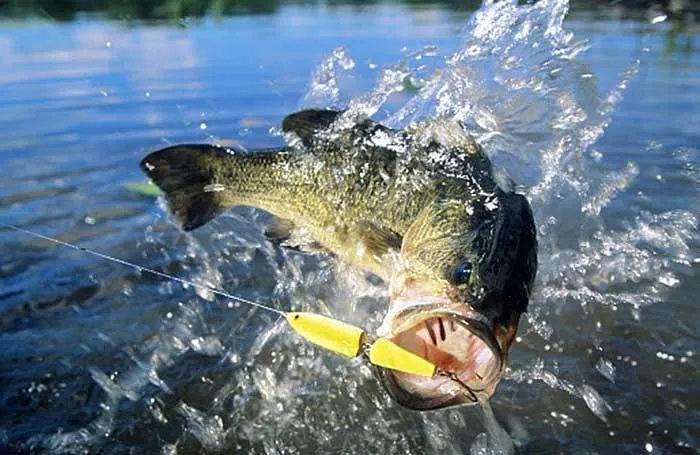
You just landed the fish of a lifetime. Your hands are shaking, your buddy is yelling, and your phone is somewhere in the bottom of the boat. The question hits you: should I mount this fish?
This guide covers everything you need to know about getting a trophy fish mounted in Indiana — from the moment you land it to the day it goes on your wall.
When to Mount a Fish
Not every big fish deserves a mount. Here are the fish that most Indiana anglers consider mount-worthy:
Largemouth Bass: 5+ pounds or 20+ inches. A 7-pounder is a once-in-a-lifetime fish in Indiana.
Smallmouth Bass: 4+ pounds or 19+ inches. Trophy smallmouth are rare — if you catch one in the White River or Tippecanoe, consider a mount.
Walleye: 8+ pounds or 28+ inches. These are uncommon enough in Indiana to warrant preservation.
Channel Catfish: 15+ pounds or 30+ inches. Flathead catfish over 30 pounds are even more mount-worthy.
Musky: Any legal musky (36+ inches) is a trophy in Indiana. Most musky anglers practice catch-and-release and opt for replicas.
Crappie: 2+ pounds or 14+ inches. A slab crappie that size is genuinely rare.
Bluegill: 10+ inches or 1+ pound. Bull bluegill of this size are uncommon and make beautiful mounts.
Skin Mount vs Replica Mount
This is the biggest decision you will make, and it is worth understanding both options before you catch your trophy.
Skin Mount
A skin mount uses the actual fish. The taxidermist removes the meat, preserves the skin, and stretches it over a form. The real fins, scales, and skin are on display.
Pros:
- Lower cost ($13.50-$20/inch)
- It is the actual fish you caught
- Traditional method that many anglers prefer
Cons:
- Requires the whole fish (you cannot release it)
- Must be frozen properly and quickly
- Can shrink, crack, and fade over 10-15 years
- Colors must be painted on regardless (fish lose color quickly after death)
Replica Mount
A replica (also called a reproduction mount) is a fiberglass or resin cast painted to match your fish. The taxidermist uses your measurements and photos to create an exact copy.
Pros:
- Lasts decades with minimal maintenance
- Allows catch-and-release (the fish swims away)
- No shrinkage, cracking, or fading
- Colors are often more vibrant and accurate than skin mounts
- Can be made from photos and measurements alone
Cons:
- Higher cost ($18-$34/inch)
- Some anglers feel it is not “the real thing”
Our recommendation: Get a replica. The quality of modern replicas is indistinguishable from skin mounts, they last much longer, and the fish gets to keep swimming. Most professional taxidermists will tell you the same thing.
How to Preserve Your Catch (Skin Mount)
If you decide on a skin mount, time is critical. Here is exactly what to do:
- Do not gut, scale, or clean the fish. Leave it completely intact.
- Wrap it in a wet towel. Use a clean, damp towel or cloth to keep the skin moist.
- Place it in a plastic bag. Squeeze out as much air as possible.
- Freeze it immediately. Get it in a freezer within hours, not days.
- Do not wrap in newspaper. The ink transfers to the skin and creates permanent stains.
- Keep it frozen. Transport it to the taxidermist in a cooler with ice.
The fins are especially fragile. Try to keep them flat and undamaged — a broken or torn fin is very difficult to repair.
What Your Taxidermist Needs (Replica Mount)
For a replica mount, you do not need the fish. You need:
- Multiple photos — both sides, top-down, and a close-up of the head. Include something for scale (a ruler, your hand, a fishing rod).
- Accurate measurements — total length (nose to tail tip) and girth (circumference at the widest point). Use a soft tape measure.
- Weight if possible — a digital scale or a reliable estimate.
- Color notes — what colors were most prominent? Was the belly bright white or yellowish? How dark were the lateral markings?
Take these photos and measurements before you release the fish. Do it while the fish is still wet and the colors are vivid.
Finding a Taxidermist in Indiana
Indiana has over 370 DNR-licensed taxidermists, but most specialize in deer and waterfowl. Finding one who does quality fish work takes a little more effort.
Start here: Search the Indiana DNR Licensed Taxidermists directory — every taxidermist working for hire in Indiana must hold a current DNR Taxidermist Permit. Filter to your county, then call to ask whether they do fish mounts. Look for businesses with “fish” or “lake” in the name as a quick filter.
What to ask:
- Do you do fish mounts? Skin mounts, replicas, or both?
- How many fish mounts did you do last year? (More experience = better quality)
- Can I see examples of your fish work? (Photos or finished mounts in the shop)
- What is your current turnaround time?
- What is your pricing per inch?
- What deposit do you require?
Red flags:
- No examples of fish work to show
- Turnaround time under 3 months (too fast usually means rushed)
- Requiring full payment upfront
- No DNR Taxidermist Permit (verify at the DNR website)
What Fish Taxidermy Costs in Indiana
| Mount Type | Cost Per Inch | 18” Crappie | 22” Bass | 30” Walleye |
|---|---|---|---|---|
| Skin Mount | $13.50–$20 | $243–$360 | $297–$440 | $405–$600 |
| Replica Mount | $18–$34 | $324–$612 | $396–$748 | $540–$1,020 |
Additional costs to plan for:
- Driftwood or habitat base: $50–$150 for a custom base with rocks, lily pads, or river gravel
- Plaque or nameplate: $20–$50 for an engraved plate with weight, date, lake, and angler name
- Shipping: If your taxidermist is not local, shipping a finished mount runs $50–$150
Timeline and What to Expect
- Drop-off (Day 1): Bring your fish (frozen, for skin mount) or photos/measurements (for replica). Pay the deposit (typically 50%).
- Months 1-3: Your fish is in the queue. Taxidermists typically work in order received.
- Months 3-9: Active work — skinning, forming, painting (skin mount) or casting, molding, painting (replica).
- Months 6-12: Completion and pickup. Pay the remaining balance.
- After pickup: Hang it on the wall. Keep it out of direct sunlight and away from heat vents to prevent fading.
Caring for Your Mounted Fish
A well-made mount lasts decades with basic care:
- Dust regularly with a soft, dry cloth or feather duster
- Avoid direct sunlight — UV causes fading over time
- Keep away from heat sources — fireplaces, heat vents, and radiators dry out skin mounts
- No touching — oils from hands can stain the finish
- Humidity matters — extreme dryness causes cracking in skin mounts; keep your home between 40-60% humidity
Replica mounts are much more forgiving, but they still fade in direct sunlight.
Indiana Fish Records Worth Mounting
For context, here are some of the current Indiana state records. If you catch anything close to these, you should absolutely consider a mount:
- Largemouth Bass: 14 lbs 12 oz (Harrison County, 1991)
- Smallmouth Bass: 8 lbs 3.6 oz (Monroe Lake, 2024)
- Walleye: 14 lbs 4 oz (tie — Kankakee River, 1974, and Tippecanoe River, 1977)
- Channel Catfish: 37 lbs 8 oz (Vanderburgh County lake, 1980)
- Flathead Catfish: 79 lbs 8 oz (White River, 1966)
- Muskellunge: 42 lbs 8 oz (James Lake, Kosciusko County, 2002)
- Bluegill: 3 lbs 4 oz (Greene County pond, 1972)
You can check the full list of Indiana state record fish at the DNR website.
The Bottom Line
Getting a trophy fish mounted is one of the most satisfying ways to preserve a fishing memory. Whether you choose a skin mount or a replica, the key is preparation: know what to do before you catch the big one, take good photos, get accurate measurements, and find a taxidermist who does quality fish work.
Start with the Indiana DNR Licensed Taxidermists directory to find a licensed professional near your favorite fishing waters, then call to confirm fish mounting.
Frequently Asked Questions
How much does it cost to mount a fish in Indiana?
Fish taxidermy in Indiana typically costs $13.50 to $34 per inch, depending on the type of mount. A skin mount (using the actual fish) runs $13.50-$20 per inch, so a 20-inch largemouth bass would cost $270-$400. Replica mounts (fiberglass reproductions) cost $18-$34 per inch but last much longer — that same 20-inch bass would run $360-$680 as a replica. Most anglers spend $400-$800 total for a typical trophy mount.
How long does fish taxidermy take?
Plan on 6-12 months for most fish mounts in Indiana. The busy season (fall through winter, when deer season overlaps) can push timelines to 12-18 months at popular shops. Replica mounts may be faster since they don't require skin preservation. Always ask your taxidermist for a timeline estimate before committing — and don't pay the full amount upfront.
Should I get a skin mount or a replica?
Replica mounts are the better choice for most anglers. They last longer (decades vs 10-15 years for skin mounts), look identical to the real thing, and allow you to release the fish alive. Skin mounts can shrink, crack, and fade over time. The only advantage of a skin mount is slightly lower cost and the knowledge that it's the actual fish. If you practice catch-and-release, a replica is the only option — and a good taxidermist only needs your measurements and photos.
Do I need to freeze my fish for the taxidermist?
If you're getting a skin mount, wrap the fish in a wet towel, place it in a plastic bag, and freeze it as soon as possible. Do NOT gut or scale the fish. Do NOT wrap it in newspaper (the ink stains the skin). Keep it frozen until you deliver it to the taxidermist. For a replica mount, you don't need the fish at all — just take photos from multiple angles with accurate length and girth measurements.
Are fish taxidermists in Indiana licensed?
Yes. Indiana law (IC 14-22-21) requires anyone performing taxidermy for hire to hold a Taxidermist Permit from the Indiana DNR, renewed annually for $15. You can verify a taxidermist's license at the DNR website. While most of Indiana's 370+ licensed taxidermists focus on deer, many also mount fish — call ahead to confirm fish services.