Fishing Line Pound Test Guide — What Test for What Species
April 26, 2026
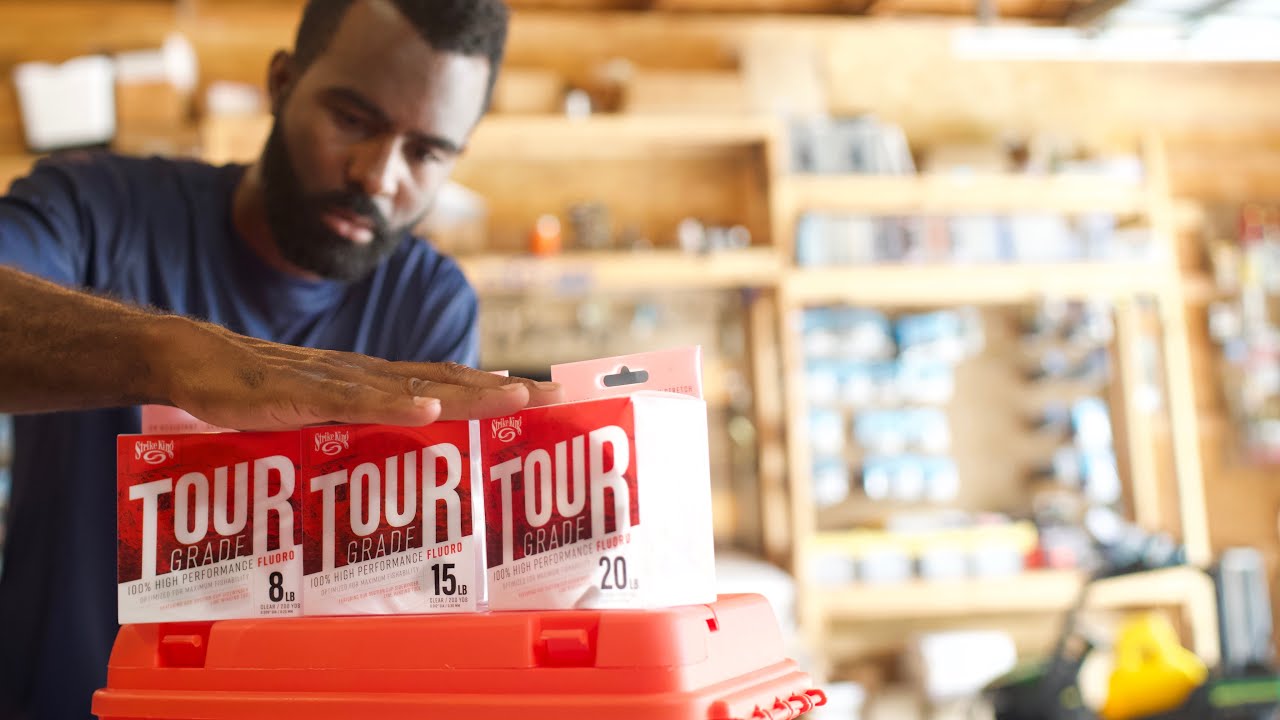
How to Read This Guide
Pound test (lb test) = the breaking strength of fishing line. The number on the package tells you how much pull, in pounds, the line will hold before snapping under controlled lab conditions. Real-world breaking strength is usually slightly less due to knots, abrasion, and shock loads.
This guide gives you the recommended pound test for each Indiana fishing scenario. The numbers assume monofilament or fluorocarbon unless noted. For braided line, divide the test by 3-4 (40 lb braid is roughly equivalent in diameter to 10 lb mono).
By Species
Panfish (Bluegill, Crappie, Sunfish)
| Technique | Line | Notes |
|---|---|---|
| Bluegill bobber fishing | 4-6 lb mono | All you need |
| Crappie spider rigging | 4-6 lb mono | Or 10 lb braid + 4 lb fluoro leader |
| Crappie jig casting | 6-8 lb mono | Or 10 lb braid + 6 lb leader |
| Ultralight panfish | 2-4 lb mono | Trout-style fishing |
Trout
| Technique | Line | Notes |
|---|---|---|
| Stocked stream rainbows | 4-6 lb mono | All-around |
| Brown trout, Indiana streams | 4-8 lb fluoro | Clear water demands invisibility |
| Lake Michigan tribs (steelhead) | 8-12 lb fluoro leader | Off braid main line |
| Fly fishing tippet | 3X-6X (4-8 lb) | Match to fly size and water clarity |
Walleye
| Technique | Line | Notes |
|---|---|---|
| Jigging | 8-10 lb fluoro | Sensitivity matters |
| Crankbait trolling | 10-12 lb mono | Stretch helps |
| Crawler harnesses | 10-14 lb mono | Standard |
| Live bait (sucker minnow) | 8-10 lb fluoro | Invisibility for finicky fish |
| Spring tailwater | 8-12 lb fluoro | Current and rocks |
Bass (Largemouth and Smallmouth)
| Technique | Line | Notes |
|---|---|---|
| Drop shot, ned rig | 6-10 lb fluoro | Or 15 lb braid + 8 lb leader |
| Crankbaits | 10-14 lb mono | Stretch retains trebles |
| Spinnerbaits | 15-17 lb fluoro | Or 30-40 lb braid |
| Chatterbaits | 15-17 lb fluoro | Or 30-40 lb braid |
| Jigs (open water) | 15-17 lb fluoro | All-around |
| Jigs (heavy cover) | 20-25 lb fluoro | Or 40-50 lb braid |
| Texas rig plastics | 15-17 lb fluoro | Standard |
| Topwater walking baits | 30-40 lb braid | Or 14-17 lb mono |
| Frogs | 50-65 lb braid | Cover demands strength |
| Flipping/pitching | 50-65 lb braid | Cover requires no-stretch |
| A-rigs / big swimbaits | 20-25 lb fluoro or 50-65 lb braid | Cumulative weight requires strength |
Hybrid Striped Bass
| Technique | Line | Notes |
|---|---|---|
| Boat fishing (Patoka, Monroe) | 15-20 lb fluoro | Powerful runs |
| Tailwater (Brookville, Patoka) | 17-20 lb mono | Current + structure |
| Surface schooling | 15-17 lb mono | Topwater trebles |
White Bass
| Technique | Line | Notes |
|---|---|---|
| Spring jigging | 8-10 lb mono | Fast action, schools |
| Surface schools (summer) | 10-12 lb mono | Topwater plugs |
Catfish
| Technique | Line | Notes |
|---|---|---|
| Channel catfish (small) | 12-17 lb mono | All-around |
| Channel catfish (big) | 20-25 lb mono | Trophy fish |
| Flathead catfish | 40-65 lb braid + 40 lb fluoro leader | Snags and big fish |
| Blue catfish (Ohio River) | 65-80 lb braid + 50-80 lb mono leader | 100 lb+ fish demand it |
Pike and Muskie
| Technique | Line | Notes |
|---|---|---|
| Northern pike (general) | 30-50 lb braid + wire leader | Teeth cut everything |
| Muskie casting | 65-80 lb braid + 80-100 lb fluoro or wire leader | Trophy gear required |
| Muskie trolling | 80 lb braid + 100 lb leader | Heaviest setups |
Salmon and Steelhead (Lake Michigan)
| Technique | Line | Notes |
|---|---|---|
| Steelhead drift fishing | 15-30 lb braid + 8-12 lb fluoro leader | Detection + invisibility |
| Steelhead fly | 2X-4X tippet (8-12 lb) | Match conditions |
| Salmon trolling | 20-30 lb mono | Standard downrigger setup |
| Salmon jigging | 30 lb braid + 25 lb fluoro leader | Vertical presentation |
| Pier fishing | 15-20 lb mono | Long-distance casting |
Carp
| Technique | Line | Notes |
|---|---|---|
| Common carp on rod and reel | 15-20 lb mono | Big fish, stretch absorbs runs |
| Grass carp / Asian carp | 17-25 lb mono or 40 lb braid | Big fish in cover |
By Water Type
Clear Water (Brookville, Patoka, Lake James, Tippecanoe)
Use fluorocarbon at the bait end, lighter pound test than you’d think. Pressured fish in clear water see line clearly. Bass: 12-15 lb fluoro. Walleye: 8-10 lb fluoro.
Stained Water (Geist, Eagle Creek, Morse, Wabash backwaters)
Mono works fine — visibility matters less. Step up pound test for cover. Bass: 14-17 lb mono or fluoro.
Muddy Water (Lower Wabash, White River, farm ponds)
Visibility doesn’t matter. Use whatever is cheapest and strongest. Bass: 15-20 lb mono. Catfish: 20-25 lb mono.
Heavy Cover (vegetation, laydowns, riprap)
Braid only. 40-65 lb braid for bass, 80 lb braid for muskie.
Quick Reference Table
| Species + Technique | Recommended Line |
|---|---|
| Bluegill / panfish | 6 lb mono |
| Crappie | 6-8 lb mono |
| Trout (stream) | 4-6 lb mono or fluoro |
| Walleye (general) | 10 lb mono |
| Bass (finesse, clear water) | 10-15 lb fluoro |
| Bass (jigs, plastics) | 15-17 lb fluoro |
| Bass (frogs, flipping, heavy cover) | 50-65 lb braid |
| Bass (topwater plugs, crankbaits) | 12-15 lb mono |
| Hybrid stripers | 17-20 lb fluoro |
| Channel catfish | 17-25 lb mono |
| Flathead catfish | 40-65 lb braid + leader |
| Pike / muskie | 50-80 lb braid + wire leader |
| Lake Michigan steelhead | 20 lb braid + 10 lb fluoro leader |
| Lake Michigan salmon trolling | 20-30 lb mono |
The “When in Doubt” Rule
If you’re not sure what to use: 10 lb monofilament on a medium spinning rod. This setup will catch every common Indiana freshwater fish — bluegill, crappie, walleye, channel cat, white bass, smallmouth, largemouth — and is forgiving enough that beginners can fish it without breakoffs.
Build up to specialized setups as you identify limitations. There’s no need to own 8 different reels with 8 different line types just to fish a farm pond on Saturday.
Bottom Line
Pound test isn’t about how big a fish you can land — it’s about matching line to technique, water clarity, and structure. Lighter line catches more fish in clear water. Heavier line lands more fish in cover. Use the table above as a starting point, then adjust based on what’s working for the conditions you’re fishing.
Frequently Asked Questions
What pound test line do I need for bass fishing?
10-12 lb mono or fluoro for finesse and clear water, 15-17 lb fluoro on baitcasters for jigs and plastics, 30-50 lb braid for heavy cover and frogs. Match line to technique — finesse needs lighter, heavy cover needs heavier.
Can I use one pound test for everything?
If you're a casual angler fishing one or two times a year, 10 lb mono on a medium spinning rod will catch panfish, walleye, and bass. Serious anglers use multiple setups optimized for specific techniques — but for a single all-around rig, 10 lb mono is the universal answer.
Why does line test matter for casting?
Heavier line is thicker, casts shorter, and feels stiffer. Going from 8 lb mono to 17 lb mono costs you 30%+ casting distance. Match line weight to the rod's rating and the lure weight — too heavy a line on light lures hurts casting; too light a line on heavy fish breaks off.