Fly Reel Buying Guide for Indiana Fly Fishing
April 26, 2026
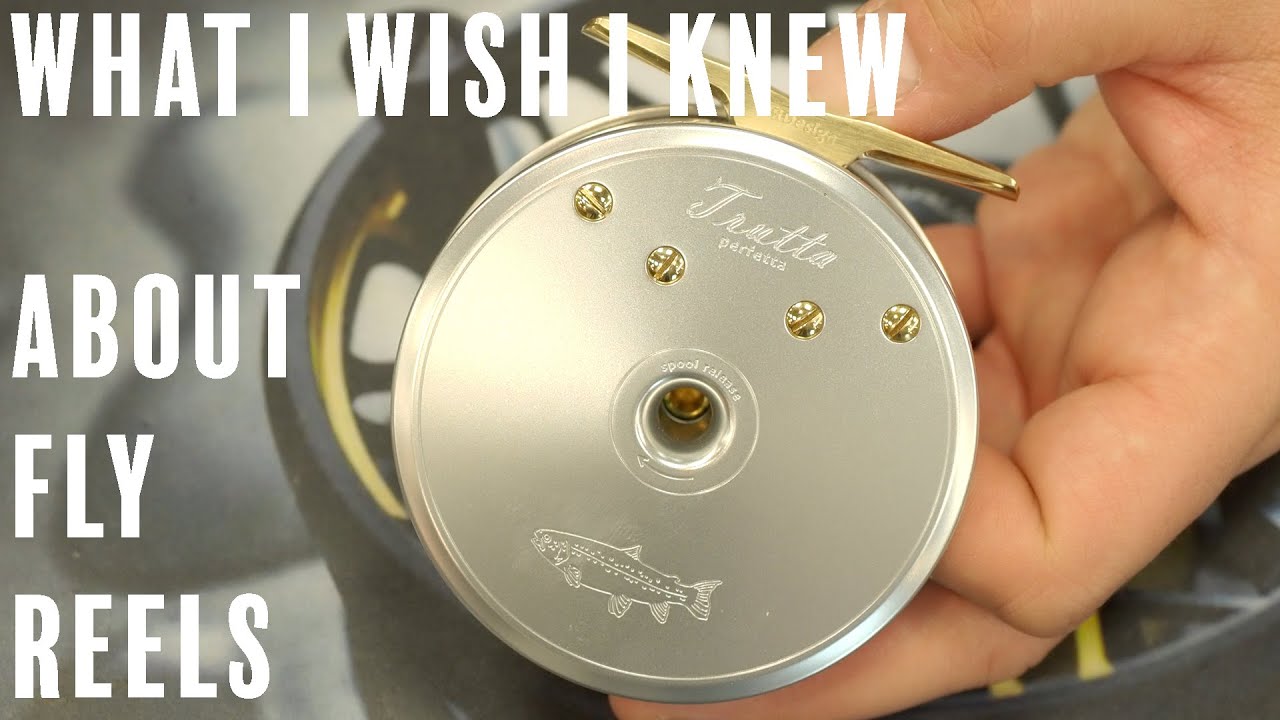
What a Fly Reel Actually Does
In conventional fishing (spinning, baitcasting), the reel is the heart of the system — drag, casting power, retrieve speed. In fly fishing, the rod and line do the work, and the reel’s main job is to store line.
For most freshwater trout and panfish situations, you’ll fight the fish by stripping line back through the rod’s first guide with your line hand — never engaging the reel at all. The reel only matters when fish run hard enough to pull all the slack line through your fingers and start peeling line directly off the reel.
This means: for stream trout and panfish, an inexpensive fly reel works perfectly. For steelhead, salmon, and big bass, a quality reel with sealed disc drag becomes essential.
How Fly Reels Are Sized
Fly reels are matched to line weight — not by physical size or capacity. A “5-weight reel” balances a 5-weight fly rod and holds a 5-weight fly line.
| Reel Weight | Best Use in Indiana |
|---|---|
| 2-3 wt | Tiny streams, micro-panfish |
| 4-wt | Small trout streams, panfish |
| 5-6 wt | All-around — trout, panfish, small bass — most versatile |
| 6-7 wt | Smallmouth bass, bigger trout |
| 7-8 wt | Steelhead, salmon, pike on fly |
| 9-10 wt | Lake Michigan salmon, muskie on fly |
Most reel manufacturers sell models in size ranges (e.g., “4/5/6” weight) — buy the size that matches your rod.
The Three Specs That Matter
Drag System
Three types, in order of complexity and cost:
1. Click-and-pawl (click drag) — A simple ratcheting mechanism. Makes the classic “buzzing” sound when a fish runs. Inconsistent under load. Works fine for small fish; insufficient for steelhead and salmon. $50-150
2. Disc drag — Friction plates inside the reel apply consistent pressure. Smoother and more powerful than click drag. $100-300
3. Sealed disc drag — Disc drag protected from water, sand, and grit. Required for saltwater; nice-to-have for big freshwater fish. $200-500+
For Indiana, disc drag is the default for any reel size 5-weight or larger.
Arbor Size
The “arbor” is the center spool diameter.
- Standard arbor — Smaller center spool, more line per layer, slower retrieve. Old-school feel.
- Mid arbor — Middle ground. Common in 4-6 weight reels.
- Large arbor — Wider center spool, faster retrieve, less line memory. Standard for modern reels.
Buy large arbor unless you’re specifically restoring a vintage setup.
Weight (Reel Weight, Not Line Weight)
Lighter reels reduce arm fatigue on long casting days. A 4 oz reel feels noticeably better than a 7 oz reel after eight hours.
For 5-weight setups, target reel weight under 5 oz.
Recommended Setups by Indiana Use Case
Small-Stream Trout / Panfish
- Reel weight: 4 or 5
- Drag: Click-and-pawl or basic disc
- Arbor: Mid or large
- Budget: $80-150
- Brands: Echo Base, Redington Zero, Orvis Battenkill
For Sugar Creek smallmouth, stocked rainbow streams, and bluegill on small lakes, this tier is plenty.
All-Around 5-Weight (Most Versatile)
- Reel weight: 5/6
- Drag: Disc drag
- Arbor: Large
- Budget: $150-275
- Brands: Orvis Hydros, Redington Behemoth, Lamson Liquid
This is the sweet spot for most Indiana fly anglers.
Smallmouth Bass on Indiana Rivers
- Reel weight: 6/7
- Drag: Disc drag
- Arbor: Large
- Budget: $175-325
- Brands: Lamson Liquid, Orvis Hydros, Sage Spectrum C
Smallmouth pull harder than trout — get the disc drag.
Lake Michigan Steelhead
- Reel weight: 7/8
- Drag: Sealed disc drag
- Arbor: Large
- Budget: $250-450
- Brands: Lamson Litespeed, Orvis Hydros, Sage Trout, Hardy Ultralite
Steelhead make 100+ yard runs and require reliable drag. Don’t skimp.
Trophy / Salmon on Lake Michigan
- Reel weight: 8/9 or 9/10
- Drag: Sealed disc drag, high max pressure
- Arbor: Large
- Budget: $400-700+
- Brands: Sage Spectrum LT, Hardy Marquis Salmon, Tibor
Backing — Don’t Forget It
Fly reels need backing — typically 20-30 lb braided Dacron — under the fly line. Backing fills the arbor and gives you extra line if a big fish runs past 100 feet.
| Setup | Backing |
|---|---|
| 4-5 wt | 50-100 yards 20 lb |
| 6-7 wt | 100-150 yards 20-30 lb |
| 8+ wt | 150-200 yards 30 lb |
Most fly shops will spool your backing and line for you when you buy a reel — take advantage.
Price Tiers
$50-100 — Entry
Echo Base, Redington Zero, Cabela’s PrestigeXP
- Plastic and aluminum components
- Click drag or basic disc
- Adequate for small fish
- Will outlast your interest in fly fishing if you only fish casually
$120-250 — Mid-Range Sweet Spot
Lamson Liquid, Orvis Battenkill / Hydros, Redington Behemoth
- Machined aluminum, sealed disc drag (most models)
- Where most serious Indiana fly anglers settle
- Lifetime warranty from major brands
$300-500 — Performance
Sage Spectrum, Hardy Ultralite, Lamson Litespeed, Orvis Mirage
- Lighter, smoother drag
- Worth it for steelhead specialists, salmon anglers, or 50+ days/year
$600+ — Premium
Hardy Perfection, Tibor, Abel, Hatch
- Marginal performance gains
- Justifiable only for dedicated big-fish anglers or collectors
Common Mistakes
Mismatching weights. A 5-weight reel on a 7-weight rod is undergunned (line won’t fit, balance is off). Match exactly.
Underestimating drag needs. Many anglers buy click-drag reels and lose their first steelhead because the drag couldn’t keep up. If there’s any chance of fish over 5 pounds, get disc drag.
Skipping backing. Without backing, you have only 100 feet of line — not enough for steelhead or salmon.
Buying offset hand retrieve. Most fly reels are convertible (right-hand to left-hand retrieve), but some aren’t. Confirm before buying.
Bottom Line
For most Indiana fly anglers, a Lamson Liquid or Orvis Hydros 5-weight reel at $150-200, paired with a quality WF5F line and 100 yards of 20 lb backing, will handle 80% of your fishing — trout, panfish, and small bass. Add a 7-weight reel with sealed disc drag if you target steelhead or smallmouth bass on Indiana’s rivers.
Frequently Asked Questions
Does a fly reel matter for trout fishing?
For small stream trout, the reel is mostly a line holder — you'll strip-fight most fish, not play them on the reel. A simple click-drag reel works fine. For steelhead, salmon, or any fish big enough to make line-pulling runs, the drag becomes critical and a sealed disc-drag reel is mandatory.
What's a 'large arbor' fly reel and why does it matter?
A large arbor reel has a wider center spool, so each handle turn retrieves more line. This matters for steelhead and salmon (where you'll fight fish on the reel), and helps line memory in cold weather. For panfish and small trout, large arbor is nice but not essential.
How much should I spend on a fly reel?
For small stream trout: $80-150. For all-around 5-weight: $120-250. For steelhead/salmon: $200-400. Premium fly reels ($500+) are worth it only for dedicated big-fish fly anglers — most Indiana fly fishing doesn't justify that spend.