How to Hire a Fishing Guide in Indiana
March 19, 2026
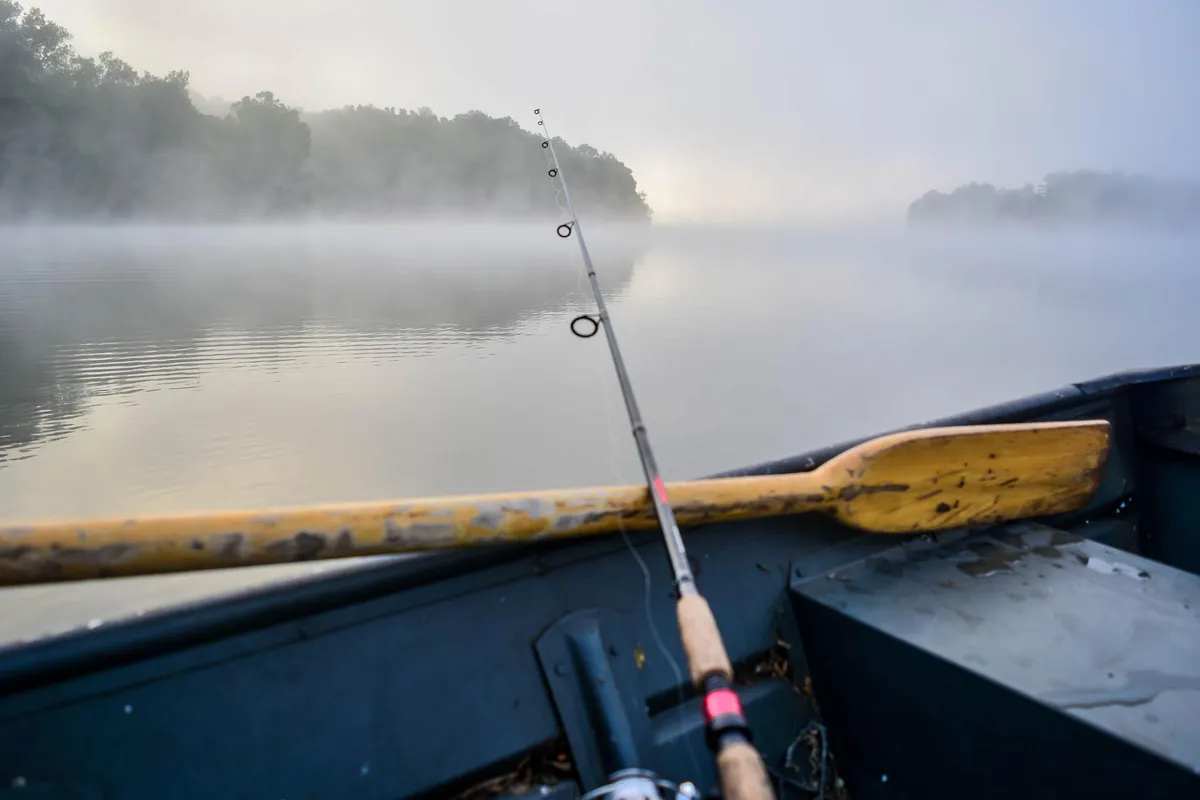
Hiring a fishing guide is one of the fastest ways to get on fish in unfamiliar water, learn new techniques, or simply have a great day on the water without owning a boat. Indiana has over 90 licensed fishing guides and charter captains covering everything from Lake Michigan salmon to Brookville Lake walleye to White River smallmouth.
Whether you have never fished before or you are a seasoned angler looking to explore new water, this guide walks you through everything you need to know about hiring a fishing guide in Indiana.
What a Guided Fishing Trip Includes
Most Indiana fishing guides provide a turnkey experience. When you book a trip, you can typically expect the following to be included:
- Boat and fuel — the guide supplies and operates the vessel
- All tackle — rods, reels, lures, terminal tackle
- Live bait — minnows, crawlers, leeches, or whatever the target species demands
- On-water instruction — the guide puts you in position, explains the technique, and coaches you through the process
- Fish cleaning — most guides will fillet your catch at the dock after the trip
What you generally need to bring yourself includes your Indiana fishing license, food and drinks, sunscreen, rain gear, and a cooler to take your fillets home. Always confirm with your guide before the trip, as specifics vary.
Types of Fishing Guides in Indiana
Indiana’s geography supports several distinct types of guided fishing, and the guide you hire should match the experience you want.
Inland Lake Guides operate on Indiana’s reservoirs and natural lakes. These guides specialize in species like walleye, bass, crappie, and catfish on waters such as Brookville Lake, Monroe Lake, Patoka Lake, and the lakes in northeast Indiana. Trips are usually run from a bass boat or walleye-style fishing boat.
River Guides focus on Indiana’s rivers and streams — the Wabash, White River, Tippecanoe, Sugar Creek, and others. These trips might use a drift boat, jon boat, or kayaks. Target species include smallmouth bass, catfish, and sometimes steelhead on tributaries near Lake Michigan.
Lake Michigan Charter Captains run larger sport-fishing boats out of Michigan City, Portage/Burns Harbor, and the East Chicago/Hammond area. These captains must hold both a DNR guide license and a U.S. Coast Guard captain’s license. Charters typically accommodate up to six anglers and target salmon, steelhead, perch, and lake trout.
Fly Fishing Guides specialize in fly rod techniques on rivers like Sugar Creek, Blue River, and the Tippecanoe. These guides typically provide fly rods, flies, waders, and casting instruction. Fly fishing guides are an excellent choice for anglers who want to learn a new discipline.
How to Find a Good Guide
Not all guides are created equal. Here is how to evaluate your options:
Check licensing. Every legitimate fishing guide in Indiana holds a DNR guide license. Charter captains on Lake Michigan must also carry a U.S. Coast Guard captain’s license, which means their vessel has passed a Coast Guard safety inspection. All 90+ guides listed on indianafishing.guide are DNR-licensed, which is a good starting point for your search.
Read reviews. Google reviews, Facebook pages, and fishing forums are the best sources for honest feedback. Look for patterns — consistent praise for a guide’s knowledge, patience, and boat condition is a strong signal. A single bad review among dozens of good ones is usually noise.
Look at their specialties. The best guides specialize. A guide who focuses on Brookville Lake walleye will put you on more fish than a generalist who claims to fish everywhere for everything. Match the guide’s specialty to your target species and preferred water.
Check their equipment. A professional guide maintains quality tackle and a well-equipped, clean boat. Most guides will happily share photos of their setup on their website or social media.
What to Ask Before You Book
A five-minute phone call or email exchange before booking can prevent misunderstandings. Here are the key questions:
- What species are you targeting right now? Fishing is seasonal. A good guide will tell you honestly what is biting and what is not.
- How many people can you take? Most inland guides accommodate 1-2 anglers. Charters can handle up to 6.
- What is included in the trip price? Confirm whether bait, tackle, and fish cleaning are covered.
- What is your cancellation policy? Weather cancellations are common. Most guides will reschedule for free if conditions are unsafe, but policies on client-initiated cancellations vary. Expect to lose a deposit if you cancel within 48 hours.
- What should I bring? The guide will give you a specific list, but at minimum plan on your fishing license, weather-appropriate clothing, food, and drinks.
- How do you handle poor weather? Experienced guides know the difference between uncomfortable weather and dangerous weather. Rain does not cancel most trips. Lightning, high winds, and severe storms do.
What to Bring on a Guided Trip
Your guide handles the fishing gear, but you are responsible for everything else. A solid packing list includes:
- Valid Indiana fishing license — purchase online at the DNR website before your trip. Lake Michigan trips also require the Indiana trout/salmon stamp ($11).
- Sunscreen and sunglasses — you will be on open water for hours. Polarized sunglasses also help you see fish.
- Rain gear — a light rain jacket at minimum. Weather changes fast on Indiana lakes.
- Food and drinks — most guides do not provide meals. Pack a lunch, snacks, and plenty of water. A few guides allow alcohol, but ask first.
- Cooler with ice — for your catch at the end of the trip.
- Camera or phone — for photos of your fish.
- Layered clothing — mornings on the water are colder than you expect, even in summer.
Half Day vs. Full Day Trips
Most guides offer two trip lengths:
Half-day trips run 4-5 hours, usually early morning (6 AM to 11 AM) or afternoon. These are ideal for beginners, families with kids, or anglers on a budget. You will catch fish, but you have less time to adjust if the bite is slow.
Full-day trips run 7-8 hours and give you the best chance at a great day. The guide can try multiple spots, switch techniques, and wait out a mid-day lull. Serious anglers and trophy hunters should book full days.
Setting Realistic Expectations
A fishing guide dramatically increases your odds of catching fish. Guides know their home water intimately — where the fish are, what they are eating, and how conditions affect the bite. On most trips, you will catch fish.
That said, no guide can guarantee a catch. Fish are wild animals, and some days are simply tougher than others. Weather fronts, water conditions, and seasonal transitions all affect results. A good guide will work hard to put you on fish regardless, and even a slow day on the water with a knowledgeable guide is time well spent.
What a guide can guarantee is a safe, well-equipped trip on productive water with expert instruction. For beginners, the education alone is worth the cost. For experienced anglers, access to a guide’s local knowledge can take years off the learning curve on a new body of water.
Find a Licensed Guide on indianafishing.guide
Every guide listed on indianafishing.guide holds a current Indiana DNR guide license. You can browse by region, target species, or body of water to find a guide that matches what you are looking for. Whether you want to troll for salmon on Lake Michigan, chase walleye at Brookville, or float Sugar Creek for smallmouth on a fly rod, there is a licensed Indiana guide who can put you on the fish.
Frequently Asked Questions
Do I need my own fishing license when hiring a guide in Indiana?
Yes. Indiana law requires every angler age 18 and older to carry a valid fishing license, even on a guided trip. Your guide cannot cover your license. You can purchase one online at the Indiana DNR website in minutes.
Are fishing guides in Indiana licensed?
Yes. The Indiana DNR requires all fishing guides operating on public waters to hold a valid guide license. Charter captains on Lake Michigan must also carry a U.S. Coast Guard captain's license. All 90+ guides listed on indianafishing.guide are DNR-licensed.
What is included in a guided fishing trip?
Most guided trips include the boat, fuel, all tackle, bait, and fish cleaning at the end of the trip. Some guides also provide instruction and loaners for life jackets. You typically need to bring your own fishing license, food, drinks, sunscreen, and a cooler for your catch.
How far in advance should I book a fishing guide?
Book at least 2-4 weeks ahead for weekday trips and 4-6 weeks for weekends during peak season (April through October). Lake Michigan charters during salmon season often fill up months in advance, so booking early is essential.