Ice Fishing with Kids in Indiana: Safety, Gear & Best Lakes
April 2, 2026
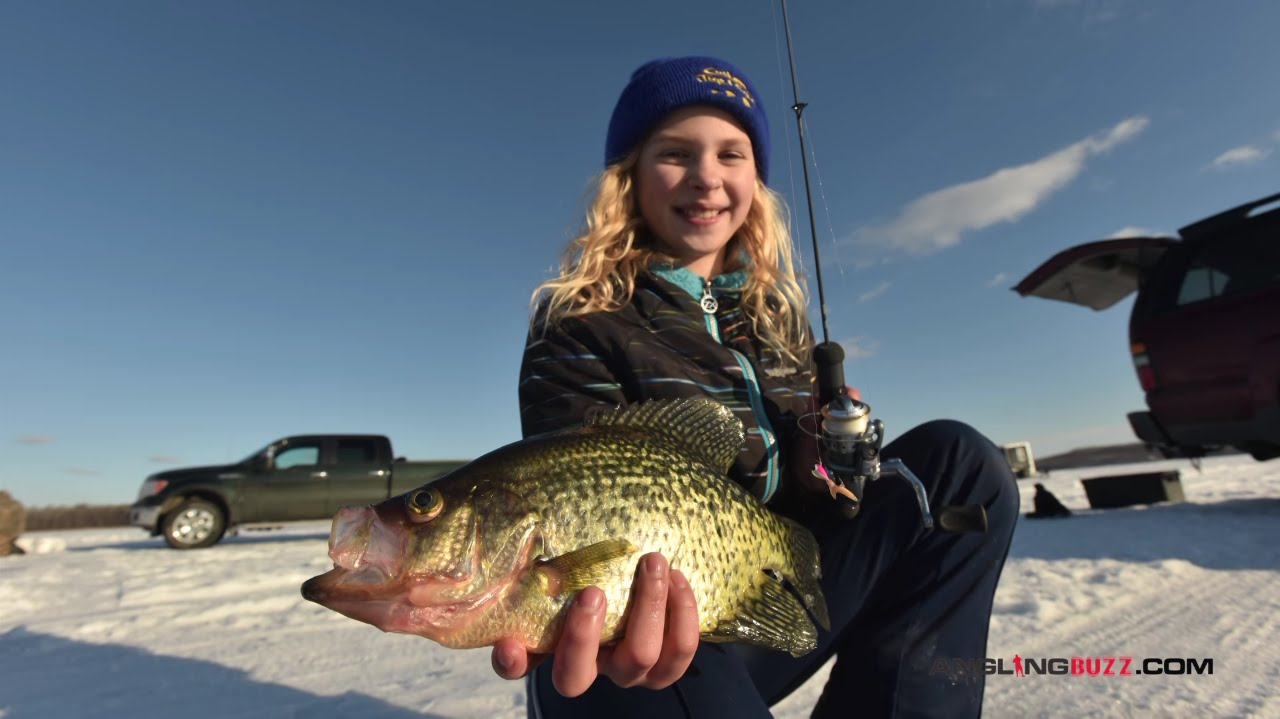
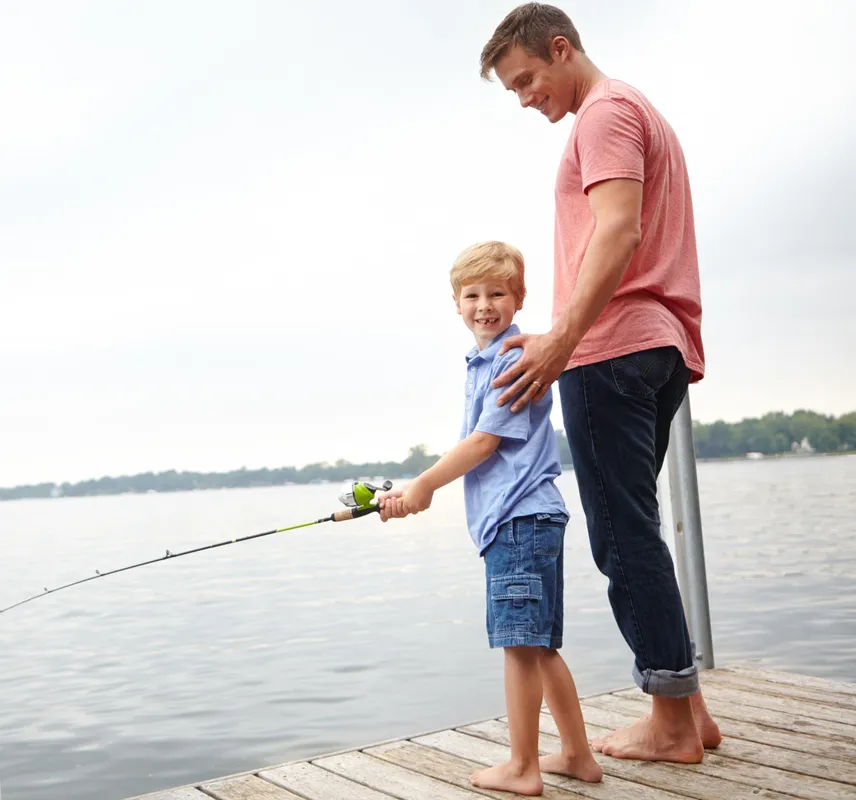
Ice fishing is one of the most unique outdoor experiences you can share with your kids. Walking onto a frozen lake, drilling a hole, and pulling fish through the ice feels like magic to a child. Indiana’s ice fishing season is limited to northern counties and depends heavily on winter temperatures, but when conditions cooperate, it is an unforgettable family adventure.
This guide covers everything parents need to know: ice safety (the most important section), what gear to bring, how to keep kids warm and engaged, and the best northern Indiana lakes for family ice fishing.
Ice Safety: The Non-Negotiable Foundation
Ice safety is not a suggestion — it is the entire basis of a safe ice fishing trip with children. No fish is worth a cold-water emergency.
Minimum Ice Thickness
| Ice Thickness | Safe For |
|---|---|
| Under 4 inches | Not safe. Stay off. |
| 4 inches (clear ice) | Walking, ice fishing |
| 5-6 inches | Small groups, ice fishing |
| 8-12 inches | Snowmobiles, ATVs |
| 12-15 inches | Small cars, trucks |
These numbers apply to clear, solid ice only. White or snow-covered ice is weaker and requires greater thickness for the same load. When in doubt, stay off.
How to Check Ice Thickness
Never trust another angler’s word or the presence of other people on the ice as proof of safety. Check it yourself.
- Start from shore. Test the ice near the bank before walking out.
- Use an ice chisel or auger. Chop or drill a test hole every 50 feet as you walk out.
- Measure with a tape measure or ruler. Four inches of clear ice is the minimum.
- Watch for danger zones. Ice is thinner near inlets, outlets, springs, pressure ridges, and areas with current. Stay well away from these areas, especially with children.
- Check conditions throughout the day. Warm afternoons and rain can weaken ice quickly.
Safety Gear for Families
- Ice picks (ice claws) — Wear them around your neck. If someone falls through, these spiked handles let you grip the ice and pull yourself out. Every person on the ice should have a set, including older children.
- Throw rope — A 50-foot rope with a weighted end for rescue.
- Life jackets — Consider having kids wear life jackets under their coats. This sounds extreme, but it provides flotation and insulation in an emergency.
- Fully charged phone — Keep it warm inside your coat so the battery does not die.
- Buddy system — Never ice fish alone. Always have at least one other adult present when bringing kids.
Essential Ice Fishing Gear for Kids
Ice fishing gear is simpler and more compact than open-water gear, which makes it easier to manage with children.
Rods and Reels
Ice fishing rods are short — 24-28 inches — making them ideal for small hands. A basic ice rod with a small spinning reel spooled with 4 lb monofilament line is all a child needs.
Budget options:
- A basic ice combo from any sporting goods store ($15-25) works for kids.
- Some families use the same ultralight open-water rods for ice fishing in a pinch.
Tackle
Ice fishing tackle is minimal compared to open-water fishing.
| Item | Purpose | Cost |
|---|---|---|
| Small ice jigs (1/32 - 1/64 oz) | Primary panfish presentation | $3-5/pack |
| Wax worms | Tip jigs for bluegill and perch | $3-4/container |
| Small minnows | Crappie under a tip-up or bobber | $4-5/dozen |
| Small bobbers | Detect bites when kids look away | $2-3/pack |
| Ice skimmer | Keep holes clear of ice and slush | $5-8 |
Drilling Holes
You need a way to make holes in the ice. Options range from cheap to expensive:
- Hand auger ($30-50) — Manually cuts holes. Good exercise but slow. A 6-inch hand auger is sufficient for panfish.
- Power auger ($200+) — Gas or battery-powered. Cuts holes in seconds. Worth it if you ice fish regularly.
- Ice chisel (spud bar) ($20-30) — Chops holes through thinner ice. Slow for thick ice but works as a backup.
Many ice anglers are friendly and will drill extra holes for a family with kids. Do not be afraid to ask.
Keeping Kids Warm
Cold kids are miserable kids, and miserable kids end the trip early. Layer aggressively and plan for less activity than they would have during open-water fishing.
The Layering System
Base layer: Moisture-wicking long underwear (synthetic or wool, never cotton). Cotton holds sweat and chills kids fast.
Mid layer: Fleece or insulated jacket. This provides the bulk of the warmth.
Outer layer: Windproof and waterproof jacket and snow pants. Kids will kneel on the ice, sit on buckets, and handle wet fish — waterproofing is essential.
Critical Extremities
Boots: Insulated, waterproof winter boots rated to at least -20F. Cold feet end more ice fishing trips than anything else. Size them slightly large so kids can wear thick wool socks.
Gloves: Bring two pairs — thin liner gloves for handling tackle and thick insulated mittens for warming up between fish. Waterproof gloves or mittens are strongly preferred.
Hat: A warm hat that covers the ears. Heat loss through the head is significant.
Hand warmers: Disposable chemical hand warmers ($1/pair) are worth their weight in gold. Put one in each glove and one in each boot. Bring extras.
Shelter Options
An ice fishing shelter (shanty or pop-up tent) blocks wind and traps body heat, dramatically increasing comfort. Portable pop-up shelters ($60-150) set up in minutes and make the difference between a one-hour trip and a four-hour trip.
Even without a shelter, positioning yourself behind a natural wind break or bringing a tarp strung between ice fishing poles provides some relief.
Best Northern Indiana Lakes for Family Ice Fishing
Ice fishing in Indiana is primarily a northern Indiana activity. Lakes south of US-30 rarely freeze consistently enough for safe ice fishing.
Lake Wawasee — Kosciusko County
Indiana’s largest natural lake at 3,410 acres, Lake Wawasee offers excellent ice fishing for bluegill, crappie, and yellow perch. The lake’s size means you need local knowledge to find fish — talk to a nearby bait shop for current reports on where fish are being caught.
Webster Lake — Kosciusko County
Webster Lake at 782 acres is more manageable for families new to ice fishing. Good bluegill and perch action. Public access on the south end provides parking close to productive ice fishing areas.
Tippecanoe Lake — Kosciusko County
Tippecanoe Lake is the deepest natural lake in Indiana (123 feet) and holds strong populations of bluegill, perch, and crappie. Ice anglers focus on the shallower bays and flats in 8-15 feet of water.
Chain O’Lakes — Noble County
The connected lakes in Chain O’Lakes State Park provide excellent panfish ice fishing in a family-friendly setting. The smaller lake sizes make them less intimidating for kids and easier to locate fish.
Steuben County Lakes
Lakes like Clear Lake, Snow Lake, and Crooked Lake in Steuben County have strong ice fishing traditions. Good public access and active local ice fishing communities mean you can learn from experienced anglers on the ice.
Simple Ice Fishing Techniques for Kids
The Jig-and-Wax-Worm Rig
This is the go-to setup for kids ice fishing. Tie a small ice jig (1/32 oz) directly to the line. Thread a wax worm onto the hook. Lower the jig to the bottom, then reel up 6-12 inches. Slowly jig the rod tip up and down — small movements, just an inch or two. When the rod tip loads or the line goes slack, set the hook with a gentle lift.
This rig catches bluegill, pumpkinseed, and yellow perch all day long.
The Bobber-and-Minnow Rig
For crappie, use a small bobber with a tiny minnow on a #6 hook set 1-2 feet off the bottom. The bobber sits in the hole and dips when a fish bites. This is a great setup for kids because they can watch the bobber while staying warm, then grab the rod when it moves.
Tip-Ups for Added Excitement
A tip-up is a device that sits over the hole and triggers a flag when a fish bites. Setting out 2-3 tip-ups around your fishing area (Indiana allows up to 3 lines per angler) adds excitement — kids love watching for flags to pop. Bait tip-ups with small minnows for crappie or shiners for larger fish.
Making It Fun
Keep trips short. Two to three hours is plenty for kids on the ice. The cold compresses attention spans even further than normal.
Bring hot chocolate. A thermos of hot chocolate is the single best morale booster on an ice fishing trip. Soup works too.
Make it an event. Pack a lunch, bring camp chairs or a sled, and treat it as an outdoor adventure rather than a serious fishing expedition.
Celebrate the first fish through the ice. There is something genuinely magical about pulling a fish through a hole in the ice. That moment sticks with kids for years.
For Indiana fishing license information, visit the Indiana DNR. Kids under 18 fish free — including ice fishing. Adults need a valid license ($23 annual resident).
Frequently Asked Questions
How thick does ice need to be for ice fishing in Indiana?
A minimum of 4 inches of clear, solid ice is required for safe walking and ice fishing. For a group of people, 5-6 inches is recommended. Never trust ice thickness based on appearance alone — always drill a test hole and measure. Avoid ice near inlets, outlets, springs, and pressure ridges where it may be thinner.
Where can you ice fish in Indiana?
Ice fishing is most reliable in northern Indiana, roughly from US-30 northward. The natural lakes of Kosciusko, Steuben, Noble, and LaGrange counties freeze most consistently. Lake Wawasee, Webster Lake, Tippecanoe Lake, and the lakes in Chain O'Lakes State Park are popular ice fishing destinations. Central and southern Indiana lakes rarely freeze thick enough for safe ice fishing.
What fish can kids catch through the ice in Indiana?
Bluegill and crappie are the primary ice fishing targets for kids in Indiana. Both species remain active under the ice and bite on simple jigs tipped with wax worms or small minnows. Yellow perch are another excellent option in northern Indiana lakes. All three species school up under the ice, so finding one usually means finding many.
What gear do kids need for ice fishing?
A short ice fishing rod (24-28 inches), a small spinning reel spooled with 4 lb line, a handful of small ice jigs, wax worms for bait, and an ice skimmer to keep the hole clear. For comfort, dress kids in layers with insulated boots, waterproof gloves, and hand warmers. A 5-gallon bucket serves as a seat, tackle carrier, and fish container.