Improved Clinch Knot — Tying the Most Common Fishing Knot
April 26, 2026
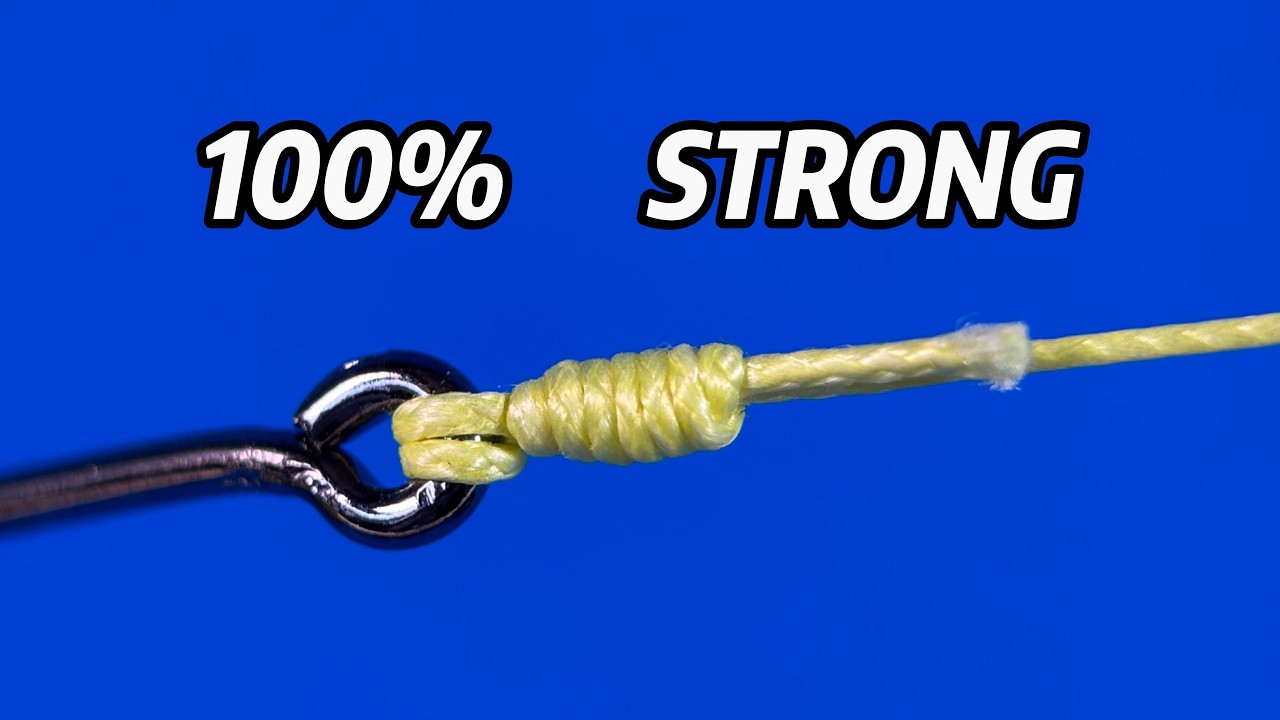
What Is the Improved Clinch Knot?
The improved clinch knot is the most-tied fishing knot in the world — and for good reason. It’s fast, easy to remember, and on light to medium monofilament it retains roughly 95% of the line’s breaking strength. Almost every Indiana angler learns this knot first, and it stays in their toolkit for life.
How to Tie an Improved Clinch Knot
- Pass the tag end through the hook eye (or lure split ring).
- Wrap the tag end around the standing line 5 to 7 times. (Use 7 wraps on light line, 5 on heavier line.)
- Bring the tag end back through the small loop just above the hook eye.
- Critical “improved” step: Pass the tag end through the larger loop you just created.
- Wet the knot with saliva or water — never tie a dry knot, the friction damages the line.
- Pull both ends slowly to seat the knot tight against the hook eye.
- Trim the tag to about 1/8 inch.
When to Use It
- Hook-to-monofilament (4 lb to 14 lb test) — perfect application
- Hook-to-fluorocarbon under 12 lb test — works but less reliable than Palomar
- Lure-to-leader for spinners, crankbaits, jigs
When to Skip It
- Braided line — the slick surface slips, even with extra wraps. Use a Palomar.
- Heavy fluorocarbon over 15 lb test — knot strength drops below 80%. Use a Palomar.
- Very small hook eyes (size 18 trout flies) — can’t get 5 wraps through. Use a Davy knot or improved Davy.
Common Mistakes
Mistake #1: Not enough wraps. Three wraps is a clinch (the unimproved version) and slips under load. Four is borderline. Always use 5-7 wraps.
Mistake #2: Skipping the “improved” step. If you don’t pass the tag through the larger loop, you’ve tied a regular clinch knot — much weaker. The improved step is what makes the knot reliable on bigger fish.
Mistake #3: Dry-tying. Pulling a dry knot tight generates friction that nicks the line. Always wet it before seating. Saliva works fine.
Mistake #4: Trimming too close. Leave at least 1/8 inch of tag. A flush trim can let the knot start to unravel under repeated stress.
Indiana Applications
The improved clinch is the workhorse knot for Indiana panfish, walleye, and bass on monofilament setups:
- Bluegill on a slip bobber — improved clinch with 6 lb mono, perfect.
- Crappie jigs on 4-6 lb mono — go-to knot for tying small jigheads.
- Walleye nightcrawler harnesses — connecting hooks to harness leaders.
- Bass crankbaits and spinnerbaits on 12 lb mono — ideal application.
For the same applications on braid, switch to a Palomar — it’s even faster to tie and rated higher on slick lines.
The Bottom Line
Learn the improved clinch first. Practice it until you can tie it in 15 seconds with cold hands. It will catch 90% of your Indiana fish over a lifetime of fishing. Then, when you graduate to braided line or want maximum reliability on trophy fish, layer in the Palomar.
Frequently Asked Questions
How strong is the improved clinch knot?
Tied correctly, the improved clinch retains roughly 90-95% of line strength on monofilament 14 lb test or lighter. On heavier mono and on fluorocarbon, knot strength drops — for line over 17 lb test or any fluorocarbon, switch to a Palomar knot for better reliability.
What's the difference between a clinch knot and an improved clinch?
The improved clinch adds one extra step: after passing the tag end through the loop next to the eye, you also pass it back through the larger loop you just created. This prevents the knot from slipping under heavy load — a critical reliability upgrade for any fish over a few pounds.
When should I not use an improved clinch knot?
Three situations: with braided line (the slick surface causes slippage — use a Palomar instead), with heavy fluorocarbon over 15 lb test (knot strength drops significantly), and when tying to lures with very small hook eyes that prevent five complete wraps.