Pike & Muskie Fishing in Indiana: Complete Guide
March 19, 2026

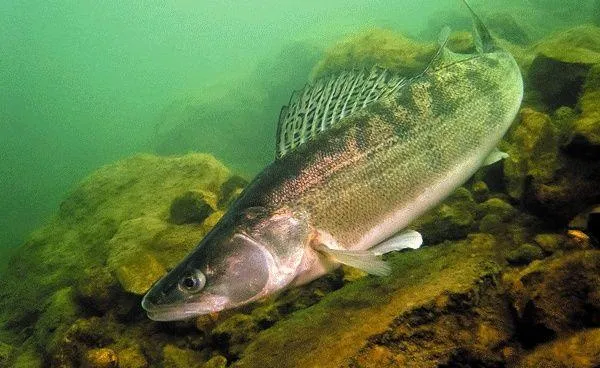
Northern pike and muskellunge are Indiana’s apex freshwater predators — explosive, powerful, and capable of growing to sizes that dwarf every other fish in the lake. A 40-inch muskie erupting on a bucktail next to the boat is an experience that redefines what freshwater fishing can be. Pike slash through weed beds with reckless aggression. And the tiger muskie — a hybrid of the two — combines the best traits of both into a fish that hits hard and grows fast.
Indiana is not the first state most anglers think of for esocid fishing, but it should be. The natural lakes of northeast Indiana hold native pike populations and stocked muskies that rival neighboring states. The fish of 10,000 casts lives here, and the lakes are far less crowded than those in Wisconsin or Minnesota.
Species Overview
Indiana is home to three members of the esocid (pike) family. Each has distinct characteristics, habitats, and challenges.
Northern Pike
Northern pike are the most widespread esocid in Indiana. They are native to the natural glacial lakes of the northeast corner of the state and have been stocked in select waters elsewhere. Pike are ambush predators — they lie motionless in weed beds, along drop-offs, and near submerged timber, then explode on prey with shocking speed.
Identification: Dark green body with lighter bean-shaped spots arranged in horizontal rows. Rounded tail fin. Fully scaled cheek and partially scaled gill cover (key difference from muskie).
Size: Most Indiana pike run 18 to 28 inches, with fish over 30 inches considered quality catches. The state record is approximately 30 pounds. Pike over 10 pounds are realistic targets in the best northeast Indiana lakes.
Behavior: Pike are more aggressive and less selective than muskies. They are willing to strike in cold water (even under ice) and will eat prey up to one-third their own body length. This aggression makes them the most accessible esocid for anglers new to predator fishing.
Muskellunge
The muskellunge is Indiana’s largest freshwater predator and one of the most difficult fish to catch in North America. The nickname “fish of 10,000 casts” is only a slight exaggeration — muskie fishing demands patience, persistence, and a willingness to fish for hours (or days) without a strike.
Identification: Light green, gold, or silver body with dark vertical bars or spots. Pointed tail fin. No scales on the lower half of the cheek or gill cover.
Size: Adult muskies in Indiana typically range from 30 to 42 inches. Fish over 40 inches are trophies. The state record muskellunge weighed 42 pounds 8 ounces and came from James Lake in Kosciusko County in 2002. Muskies exceeding 50 inches are possible but exceptionally rare.
Behavior: Muskies are solitary, territorial predators that establish home ranges around structural features — weed points, rock bars, drop-offs, and channel edges. They are infamous for following lures to the boat without striking. The figure-8 (a technique where the angler sweeps the lure in a wide figure-8 pattern at boatside) was invented specifically to trigger strikes from following muskies.
Tiger Muskie
The tiger muskie is a sterile hybrid produced by crossing a female muskellunge with a male northern pike. They do not reproduce naturally — every tiger muskie in Indiana was stocked by the DNR.
Identification: Striking tiger-stripe pattern of bold, dark vertical bars on a lighter body. Rounded tail fin (like pike). The most visually dramatic of the three species.
Size: Tiger muskies grow fast — faster than either parent species in their first several years — but their maximum size typically tops out below that of purebred muskies. Indiana tiger muskies commonly reach 30 to 40 inches. The state record is 24 pounds, from Wolf Lake in Lake County (1995).
Behavior: Tiger muskies are more aggressive than purebred muskies, making them somewhat easier to catch. They hit hard and fight with the explosive head-shaking power of both parent species. The DNR stocks them in select reservoirs to provide trophy fishing opportunities outside of the natural esocid range in northeast Indiana.
Check the Indiana fish stocking schedule for the latest tiger muskie and muskie stocking locations.
Where to Find Pike and Muskie in Indiana
Esocid fishing in Indiana is concentrated in the northeast corner of the state, where glacial lakes provide the cold, clear, weedy habitat that pike and muskie need. A handful of stocked reservoirs elsewhere in the state also hold tiger muskies.
Premier Muskie Waters
| Lake | County | Why Fish Here |
|---|---|---|
| Webster Lake | Kosciusko | Indiana’s best-known muskie lake. Deep, clear, excellent weed growth. Trophy potential above 40 inches |
| Tippecanoe Lake | Kosciusko | Large, deep natural lake with strong muskie population. Connected to the Barbee Chain. Great trolling water |
| Barbee Chain of Lakes | Kosciusko | Series of connected lakes with good muskie numbers. Varied structure — weed flats, channels, deep holes |
| Lake James | Steuben | Large natural lake near the Michigan border. Pike and muskie coexist. Clear water, excellent weed growth |
Webster Lake deserves special attention. It is relatively small (roughly 800 acres) but produces muskie catches that rival much larger lakes in neighboring states. The lake has deep water (60-plus feet), extensive weed beds, and a strong forage base of yellow perch and shad. If you are serious about catching an Indiana muskie, Webster Lake is where you start.
Best Pike Waters
| Lake | County | Notes |
|---|---|---|
| Sylvan Lake | Noble | Excellent natural pike population, weedy bays, good numbers of mid-size fish |
| Big Long Lake | LaGrange | Natural lake with consistent pike fishing, especially in spring |
| Lake Wawasee | Kosciusko | Indiana’s largest natural lake; native pike population, fish the weed edges |
| Lake James | Steuben | Holds both pike and muskie; pike concentrate in weed beds and around lily pads |
Northeast Indiana’s natural lakes — even many smaller ones not listed here — hold pike. Any lake with healthy weed growth, clean water, and a population of panfish likely holds pike. Local bait shops in the Kosciusko, Noble, LaGrange, and Steuben county areas are the best source of current intel.
Tiger Muskie Waters
The DNR stocks tiger muskies in select reservoirs across the state to create trophy fishing opportunities outside of northeast Indiana. Stocking locations change periodically. Check the fish stocking schedule for the current list.
Tiger muskie waters have included reservoirs in central and southern Indiana — providing esocid fishing access to anglers who cannot make the drive to the northeast corner of the state.
Best Techniques for Pike and Muskie
Esocid fishing is specialized. The lures are big, the tackle is heavy, and the techniques are different from anything in bass or walleye fishing.
Casting Large Lures
Casting is the most popular and exciting method for targeting pike and muskie. The approach is straightforward: throw big lures at structure and cover, retrieve aggressively, and be ready for a violent strike.
Bucktail spinners are the number-one muskie lure for good reason. A large in-line spinner (Mepps Musky Killer, Blue Fox, or Double Cowgirl) with a bucktail-dressed treble hook creates flash, vibration, and profile that triggers reaction strikes. Fan-cast weed edges, points, rock bars, and drop-offs. Vary your retrieve speed — sometimes a fast burn works, sometimes a slow roll is better.
Jerkbaits (Suick, Rapala X-Rap Musky, Bobbie Bait) are worked with sharp rod snaps that make the bait dart and dive erratically. Jerkbaits excel over submerged weed beds and along weed edges. The erratic action mimics an injured baitfish and triggers following muskies into striking.
Large crankbaits dive to specific depths and are effective for probing deeper structure — channel edges, rock humps, and the deep side of weed lines. Trolling large crankbaits covers more water and is a productive search technique.
Soft plastic swimbaits (Bulldawg, Medussa, Spanky) have a seductive tail action that muskies find irresistible. Work them with a steady retrieve punctuated by pauses and twitches. Bulldawgs are particularly effective in fall when muskies want large, slow-moving prey.
Trolling
Trolling is the most efficient way to cover water on large lakes like Tippecanoe and Lake James. Use large diving crankbaits (Drifter Tackle Believer, Jake, Grandma Lure) on 50-80 lb braided line. Troll at 3-5 mph along weed edges, over humps, and through channels. Planer boards allow you to spread multiple lures across a wider swath.
Trolling is especially productive in summer when muskies relate to deeper structure and in fall when fish roam following baitfish schools.
Live Bait
A large live sucker (8-12 inches) suspended under a large slip bobber is one of the deadliest muskie and pike presentations, especially in late fall and winter. Anchor or drift near known holding areas — deep weed edges, points, channel bends — and let the struggling sucker do the work.
Live bait rigs for muskies use a quick-strike rig: two treble hooks attached to a wire leader, with one hook near the head and one near the tail of the sucker. This allows an immediate hookset rather than waiting for the fish to swallow the bait.
Fall sucker fishing (October-November) is responsible for many of the largest muskies caught in Indiana each year. The technique requires patience but produces trophy-class fish.
The Figure-8
The figure-8 is not a casting technique — it is what you do at the end of every single cast. Muskies are notorious for following lures all the way to the boat without striking. When your lure reaches the boat, plunge the rod tip into the water and sweep the lure in a wide figure-8 or L-turn pattern. This directional change often triggers a strike from a following muskie.
The figure-8 is responsible for a significant percentage of muskie catches. Never lift your lure out of the water without completing at least one full figure-8. Make the turns wide (at least 3 feet across) and keep the lure moving at a steady speed. When you see a follow, speed up the figure-8 slightly and make the turns wider.
Ice Fishing for Pike
Northern pike remain active under the ice and are a primary target for northeast Indiana ice anglers. Set tip-ups baited with large shiners or suckers over weed edges in 6-15 feet of water. Pike in the 3-8 pound range are common, with fish over 10 pounds a realistic possibility.
For more information on winter tactics, see our Indiana ice fishing guide.
Essential Gear
Pike and muskie fishing demands heavier tackle than any other freshwater application in Indiana. These fish have bony mouths, razor-sharp gill plates, and rows of teeth that shred light tackle.
Rod
A heavy-action baitcasting rod, 7 to 8 feet long, is the standard muskie rod. The backbone is needed to drive large treble hooks into a bony jaw, and the length provides leverage for casting oversized lures and executing the figure-8. For pike, a medium-heavy rod is adequate.
Choose a rod rated for 1-4 oz lure weights for casting. Trolling rods are typically longer (8-9 feet) with more moderate action.
Reel
A large baitcasting reel with a strong drag system and high line capacity is essential. Muskie reels need to hold at least 150 yards of 50-65 lb braid. A high gear ratio (7:1 or faster) helps pick up slack quickly on hooksets and speeds up lure retrieval for the figure-8.
Line and Leaders
- Main line: 50-80 lb braided line. Braid provides zero stretch for solid hooksets at distance and handles the friction of heavy lures
- Leader: A steel or fluorocarbon leader is mandatory. Pike and muskie teeth will cut through monofilament and braid in seconds. Use a 12-18 inch, 80-130 lb wire leader with quality snaps and swivels. Titanium leaders are flexible and kink-resistant. Fluorocarbon leaders (100+ lb) are an alternative in clear water but provide less abrasion resistance than wire
Never fish for pike or muskie without a leader. A single bite-off loses an expensive lure and leaves a fish swimming with hooks in its mouth.
Landing and Handling Tools
- Large landing net — a 30x32-inch or larger rubber-mesh net. Never use a nylon or knotted mesh net for muskies — it tangles with treble hooks and damages the fish’s slime coat
- Jaw spreaders — a spring-loaded tool that holds the fish’s mouth open for safe hook removal. Muskie and pike mouths are full of teeth, and jaw spreaders protect both the angler and the fish
- Long-nose pliers (12 inches minimum) — for removing treble hooks from deep inside a toothy mouth. Keep your fingers out of the mouth
- Bolt cutters — if a hook is deeply embedded, cutting the hook is safer for the fish than forcing removal
- Cradle or sling — for weighing and photographing trophy fish without removing them from the water
Seasonal Calendar
Spring (March-May)
Pike spawn first, typically in March and early April when water temperatures reach the low-to-mid 40s. They move into shallow, marshy areas, flooded timber, and creek mouths. Post-spawn pike (April) are hungry and aggressive — cast spinnerbaits and jerkbaits in shallow bays.
Muskies spawn later, from mid-April through May, when water temperatures hit 50-60 degrees. They use shallow, weedy areas with a firm bottom. The post-spawn recovery period (late May into June) is a tough time to catch muskies — fish are scattered and lethargic.
Focus: Shallow bays, creek mouths, marshy shorelines. Target post-spawn pike in April; give muskies time to recover before targeting them in June.
Summer (June-August)
Summer is bread-and-butter esocid season. Both pike and muskie establish predictable patterns around weed edges, rock structure, and drop-offs. Fish early morning and evening when surface temperatures are tolerable.
Muskies are most active at dawn and dusk in summer. Topwater muskie lures (walk-the-dog baits, prop baits) are effective during low-light periods in July and August. The explosive surface strike of a muskie on a topwater plug is unforgettable.
Pike move to deeper weed edges as shallow water warms. Target them with spinnerbaits and crankbaits along the deep weed line in 10-20 feet.
Focus: Weed edges, points, rock bars, channel swings. Early/late in the day. Topwater muskies in July and August.
Fall (September-November)
Fall is trophy season. Muskies feed heavily to build fat reserves for winter, and they become increasingly aggressive as water temperatures drop below 60 degrees. October and November produce the biggest muskies of the year.
Fall muskies follow baitfish — shad, perch, suckers — as they migrate into bays, creek arms, and secondary channels. Key locations include points at the mouths of bays, deep weed edges where baitfish stage, and rocky shorelines where crayfish are active.
Upsize your lures in fall. A 12-inch Bulldawg, a 10-inch jerkbait, or a magnum bucktail spinner will target the largest fish in the lake. Live sucker fishing under a bobber is devastating from late October through November.
Focus: Follow the baitfish. Bay mouths, deep weed edges, main-lake points. Oversize lures. Live suckers in late fall.
Winter (December-February)
Pike remain active under the ice and are a top target for ice fishing on northeast Indiana lakes. Set tip-ups with large shiners over weed edges in 8-15 feet of water.
Muskies are much harder to catch in winter. They slow down significantly, holding in deep, oxygen-rich areas near the thermocline. A few dedicated anglers catch winter muskies by slow-trolling or live-bait fishing, but this is an advanced pursuit with a very low catch rate.
Focus: Ice fishing for pike with tip-ups. Muskie fishing slows dramatically — consider taking the winter off or switching to other species.
Indiana Regulations for Pike and Muskie
Esocid regulations in Indiana are designed to protect these slow-growing, long-lived predators. Always check the current Indiana fishing regulations before heading out, as rules can vary by specific body of water.
General Statewide Regulations
| Species | Minimum Size Limit | Daily Bag Limit |
|---|---|---|
| Muskellunge | 36 inches | 1 per day |
| Northern pike | 24 inches | 3 per day |
| Tiger muskie | 36 inches | 1 per day |
These are general statewide limits. Some waters have more restrictive regulations — always verify the rules for the specific lake you are fishing.
Key Regulation Notes
- Muskie season: Open year-round on most waters, but some lakes have seasonal closures during the spawn (check individual lake regulations)
- Measurement: Total length — measured from the tip of the snout to the tip of the tail with the mouth closed and the tail pinched together
- One fish counts for all: The daily bag limit for muskie and tiger muskie is combined — you may keep one muskie OR one tiger muskie per day, not one of each
- Catch-and-release encouraged: Given the slow growth rate and limited population of muskies, most muskie anglers practice voluntary catch-and-release to maintain trophy fishing quality
Why Size Limits Matter
A 36-inch muskie is approximately 8-10 years old. A 40-inch muskie may be 12-15 years old. These fish take decades to reach trophy size, and removing even one large muskie from a small lake has a measurable impact on the fishery. Catch-and-release is strongly encouraged, particularly on small lakes like Webster Lake where every big fish matters.
Handling and Release
Proper handling of pike and muskie is critical. These are big, powerful fish with sharp teeth and fragile physiology. Poor handling kills fish — and dead muskies are fish that will never reach trophy size.
Safe Handling Practices
- Keep the fish in the water as much as possible. Unhook, photograph, and release without removing the fish from the net if you can
- Support the full body — never hold a pike or muskie vertically by the jaw. The weight of the body can dislocate the jaw and damage internal organs. Support horizontally with one hand under the gill plate (fingers outside, not in the gills) and one hand under the belly
- Use jaw spreaders to hold the mouth open during hook removal. Keep your hands out of the mouth — even small pike can cause lacerations
- Minimize air exposure — keep the fish out of the water for less than 30 seconds. Have your camera ready before lifting the fish
- Revive thoroughly — hold the fish upright in the water, gently moving it forward and back to force water through the gills. Wait until the fish kicks away strongly before releasing
- No gill grabs — never put your fingers inside the gill plates. The gills are the fish’s lungs, and even minor gill damage can be fatal
Photographing Trophy Fish
Plan your photo before you land the fish. Have the camera ready, the person positioned, and the settings dialed in. Lift, shoot, return. Three to five seconds out of the water is ideal. If you need multiple shots, dip the fish back in the water between attempts.
Hold the fish horizontally, low to the water, over the net. Kneel — do not stand — to minimize drop distance. Smile fast.
Hiring a Muskie Guide
Muskie fishing has a steep learning curve. The right waters, lures, presentations, and seasonal patterns take years to learn by trial and error. A guided trip compresses that learning curve into a single day.
Indiana has a small but skilled community of muskie-specialist guides who know the northeast Indiana lakes intimately. A day with a muskie guide includes:
- Access to a well-equipped muskie boat with sonar, trolling motor, and a full arsenal of lures
- Knowledge of specific spots — the weed points, rock bars, and channel edges that hold fish that day
- Technique instruction — casting, figure-8 execution, boat positioning, and hookset timing
- Proper fish handling — learning to safely land, unhook, and release a muskie
A muskie guide trip is one of the best investments a serious angler can make. Browse our fishing guide directory to find muskie specialists in northeast Indiana.
Beyond Pike and Muskie
Northeast Indiana’s natural lakes are multi-species fisheries. A trip targeting muskies on Webster or Tippecanoe also puts you within reach of excellent bass, walleye, and panfish. If the muskies are not cooperating — and they often do not — you can pivot to other species and still have a great day on the water.
For bass fishing on these same lakes, check our best bass lakes guide. For stocking information, including which lakes received muskie and tiger muskie fingerlings this year, visit the fish stocking schedule.
Whether you are a first-timer throwing a bucktail at weed edges or a seasoned muskie hunter grinding for a 50-incher, Indiana’s pike and muskie fisheries deserve your attention. The lakes are uncrowded, the fish are there, and the next cast might be the one. Check the species pages for identification details and records, grab a steel leader, and go fishing.
Frequently Asked Questions
Where are muskies in Indiana?
Indiana's best muskie waters are concentrated in the northeast. Webster Lake in Kosciusko County is widely considered the state's premier muskie fishery. Tippecanoe Lake, the Barbee Chain of Lakes, and Lake James also hold strong muskie populations — James Lake in Kosciusko County produced the state record muskellunge (42 lbs 8 oz, 2002). The DNR stocks muskellunge and tiger muskies in select waters — check the annual stocking schedule for the most current list.
What is the difference between pike and muskie?
Northern pike have light spots or bean-shaped markings on a dark green body, while muskellunge have dark bars or spots on a lighter body. Muskies grow larger (Indiana state record 42 lbs 8 oz vs. about 30 lbs for pike), have a more pointed tail fin, and are significantly harder to catch. Pike are more aggressive and willing to strike. Tiger muskies, a sterile pike-muskie hybrid, show bold tiger-stripe bars and combine muskie size with pike aggression.
What are the best lures for pike and muskie?
Bucktail spinners (like Mepps Musky Killers or Double Cowgirls) are the most versatile muskie and pike lure. Jerkbaits (Suick, Rapala X-Rap), large crankbaits (Musky Mania, Drifter Tackle), and soft plastic swimbaits (Bulldawgs, Medussas) all produce fish. In fall, oversized lures (10-14 inches) target the biggest fish. For pike specifically, medium spoons and in-line spinners are consistently effective.
What are the Indiana state records for pike and muskie?
The Indiana state record muskellunge weighed 42 pounds 8 ounces and was caught from James Lake in Kosciusko County in 2002 by Darrin Conley. The state record northern pike weighed approximately 30 pounds. The tiger muskie record is 24 pounds, from Wolf Lake in Lake County (1995). The muskie and pike records both came from northeast Indiana's natural lakes; the tiger muskie record came from Wolf Lake in northwest Indiana.