Coho Salmon Fishing in Indiana
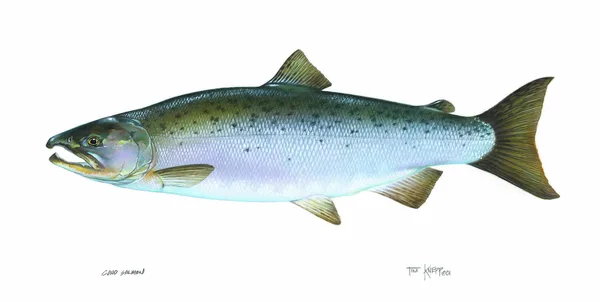
The coho salmon — also known as silver salmon — is one of the most accessible and exciting sportfish in Indiana’s Lake Michigan fishery. While chinook get the trophy headlines, coho are the workhorses of the nearshore fishery, available to anglers fishing from piers, small boats, and charter vessels alike. Their willingness to feed aggressively near the surface, combined with acrobatic fights featuring multiple jumps, makes coho a favorite among anglers of all experience levels along Indiana’s 45-mile Lake Michigan coastline.
Where to Fish
Coho salmon are available across all of Indiana’s Lake Michigan access points:
Michigan City remains the epicenter. The Washington Park pier and breakwall system is the most productive shore-based platform for coho in the state. In spring, coho push tight to shore and cruise within casting range of the piers, creating a genuine walk-up fishery that requires nothing more than a spinning rod and a handful of spoons. The Michigan City charter fleet also targets coho during spring and summer trolling runs.
Portage Lakefront and Riverwalk offers excellent pier fishing access on the western end of Indiana’s shoreline. The pier extends into Lake Michigan and puts anglers within reach of cruising coho during the spring run. This is a particularly good spot for families and newer anglers due to easy parking and walkable access.
Burns Harbor and East Chicago provide additional boat launch access for anglers targeting coho on the open lake.
For tributary fishing, Trail Creek in Michigan City and the East Branch Little Calumet River are the primary destinations during fall spawning runs.
Seasonal Patterns
Late Winter/Early Spring (February-April): This is the pier fishing season that draws crowds to Michigan City and Portage. As nearshore water temperatures begin climbing into the upper 30s and 40s, coho move in from deeper water to feed on baitfish concentrated near harbor mouths, warm-water discharges, and pier structures. Casting small spoons and crankbaits from piers during early morning and late afternoon produces steady action. This period is weather-dependent — warm spells with southerly winds push warmer water against the Indiana shoreline and bring fish within reach.
Spring/Early Summer (May-July): Coho spread out across the nearshore waters of the southern Lake Michigan basin. Open-lake trolling becomes the primary technique, with fish holding in the upper 10 to 30 feet of the water column. Coho feed higher than chinook, making them accessible to planer board spreads, flatlines, and shallow-running divers. Small to mid-sized spoons in silver, blue, and green patterns are the staples. Trolling speeds of 2.0 to 2.8 mph are effective. Many charter trips during this window produce mixed bags of coho and chinook.
Late Summer (August): A transition period as some coho begin staging near river mouths. Open-lake fishing remains productive, though fish become more scattered. This is a good window for targeting coho incidentally while trolling for chinook.
Fall (September-October): Mature coho begin entering tributaries to spawn. Trail Creek and the East Branch Little Calumet see the heaviest runs, typically peaking in October. Fish stage at river mouths during periods of high water before pushing upstream. Tributary fishing with spawn sacs, spinners, and small spoons in pools and runs produces fast action when timing and water conditions align. Fly anglers also find excellent opportunities swinging streamers and drifting egg patterns through holding water.
Tackle and Techniques
Pier Fishing
A 7- to 8-foot medium-light spinning rod with a 2500- to 3000-size reel spooled with 8- to 10-pound monofilament is ideal for pier coho. Cast small spoons (Kastmaster, Little Cleo, Krocodile) in silver, gold, and chartreuse finishes. Retrieve at a moderate, steady pace with occasional pauses. Small crankbaits that dive 3 to 6 feet also work well. When coho are visible cruising the pier edges, cast ahead of the fish and retrieve across their path.
Spawn sacs fished below a slip float are a proven pier technique. Drift the sac along the pier face at depths of 5 to 15 feet, adjusting based on where fish are holding. Tip with a small piece of wax worm for added scent.
Open-Lake Trolling
Coho trolling gear is lighter than chinook equipment. Medium-action rods with line-counter reels and 12- to 17-pound line work well. Run spoons on planer boards, flatlines, and shallow divers. Coho respond well to erratic action — dodger-fly combinations and rotating spoons that flutter on speed changes trigger aggressive strikes. Set lines at varying depths from 5 to 30 feet to locate the feeding zone.
Tributary Fishing
A 9-foot medium spinning rod with 8- to 12-pound monofilament is standard for river coho. Drift spawn sacs through pools and tailouts using a float rig adjusted so the bait drifts 6 to 12 inches above bottom. In-line spinners (Mepps, Blue Fox) in sizes 3 through 5 are effective in deeper, slower pools. Work them slowly, just fast enough to keep the blade turning.
Table Quality
Coho salmon are among the best eating fish in Lake Michigan. Their smaller size and higher fat content relative to body mass produce firm, flavorful fillets that grill, bake, and smoke exceptionally well. Fish caught in spring and early summer from cold, open water are the highest quality. Bleed fish immediately after landing and store on ice for the best results. Fall fish in spawning condition are still edible but decline in flesh quality as they darken.