Redear Sunfish Fishing in Indiana
The redear sunfish, widely known as the shellcracker, is one of the most underrated panfish in Indiana. Larger on average than bluegill and less inclined to overpopulate, redear offer quality-focused anglers a chance at trophy-class sunfish. The Indiana DNR has stocked redear in numerous public lakes and reservoirs, and self-sustaining populations exist in many waters across the central and southern portions of the state.
Identification
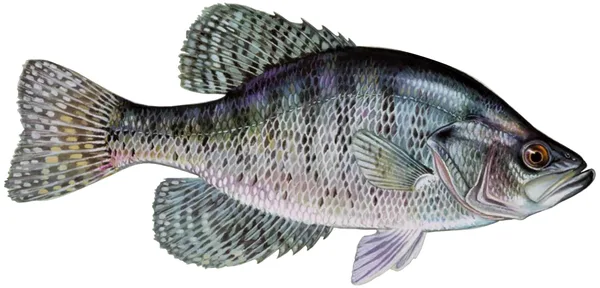
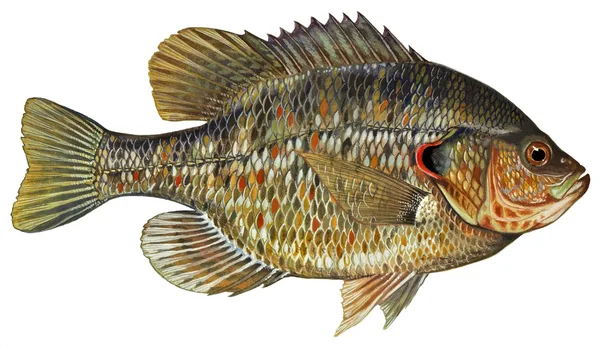
Redear sunfish resemble bluegill in body shape but are distinguished by the bright red or orange margin on the rear edge of the opercular flap (ear flap) — the feature that gives them their name. Their body coloration is generally olive to golden-green with faint vertical bars. They lack the dark blotch at the base of the dorsal fin that bluegill display. Redear also grow larger than bluegill on average, with adults commonly reaching 8 to 10 inches in well-managed Indiana waters.
Seasonal Patterns in Indiana
Late Spring (May through June): This is the prime window. Redear sunfish spawn later than bluegill, typically when water temperatures reach 68 to 72 degrees. They build nests on firm sand, gravel, or clay bottoms in 3 to 8 feet of water, often in slightly deeper zones than bluegill colonies. Spawning beds can be enormous, with dozens of nests clustered together. Locate a bedding colony and you can catch fish after fish.
Summer (July through August): Post-spawn redear scatter and move to deeper structure. They become bottom-oriented feeders, rooting through substrate for snails, freshwater clams, and aquatic larvae. Fish the bottom in 8 to 15 feet of water near submerged vegetation, rock piles, or gravel transitions. This is where their “shellcracker” nickname becomes apparent — you can sometimes hear the crunching of shells through a sensitive rod tip.
Fall and Winter: Redear activity slows significantly compared to bluegill. They retreat to deeper water and feed less aggressively. They can still be caught by dedicated anglers fishing small jigs or worms tight to the bottom in 12 to 20 feet, but this is not a high-percentage fishery during cold months.
Top Tactics
Live bait is king for redear sunfish. Red worms and nightcrawler pieces are the top producers, fished on a small hook (size 6 or 8) with a split shot and bobber or on a drop-shot style bottom rig. Redear feed primarily on the bottom and are less likely than bluegill to chase lures or strike surface baits. Present your offering right on or near the bottom for best results.
Crickets also produce well during the spawning period. Waxworms and small leeches are effective alternatives. When using artificial lures, opt for small 1/32-oz or 1/64-oz jigs with soft plastic bodies worked slowly along the bottom. Beetle Spins and small inline spinners can trigger strikes when redear are actively feeding in the shallows.
Use ultralight tackle — a 5- to 6-foot ultralight rod with 4-pound test line provides the sensitivity needed to detect the often-subtle bite of a redear. Unlike bluegill, which tend to hit aggressively, redear sometimes mouth the bait and move slowly, requiring a watchful eye on the bobber.
Top Indiana Waters
Redear populations are distributed across the state in DNR-managed waters. Dogwood Lake, Shakamak Lake, and Starve Hollow Lake in southern Indiana have produced quality shellcrackers. Several state fish and wildlife area ponds are stocked periodically with redear. Private ponds throughout central and southern Indiana often hold outstanding redear populations due to lower fishing pressure and favorable habitat. Check the Indiana DNR’s annual fish stocking reports for current stocking locations.
Regulations and Limits
There is no minimum size limit for redear sunfish in Indiana. The daily bag limit is 25 sunfish (combined total for all sunfish species including bluegill, redear, green sunfish, and others). A valid Indiana fishing license is required for anglers 18 and older. Review the current Indiana Fishing Regulations Guide before fishing, as some specific waters may have special regulations.