Overview
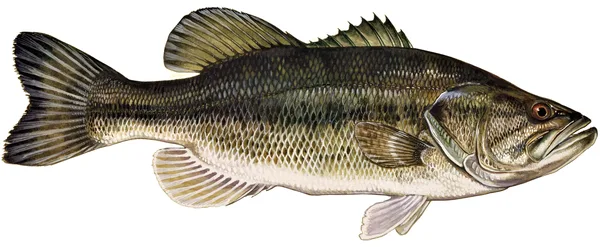
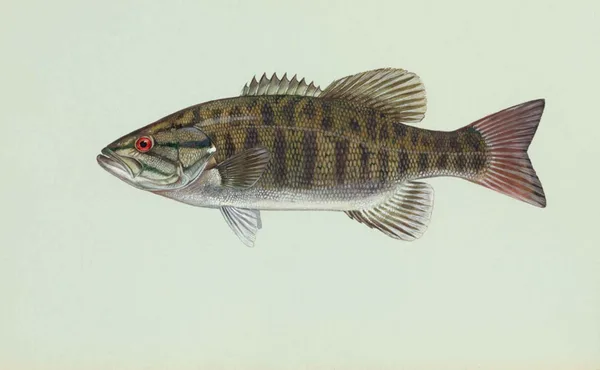
Smallmouth bass are pound-for-pound the hardest fighting freshwater fish in Indiana. They are leaner, faster, and more acrobatic than their largemouth cousins, and they thrive in the clear, rocky rivers and streams that flow across much of the state. Indiana’s smallmouth fishery is nationally respected — anglers travel here specifically to wade-fish rivers like Sugar Creek and the Tippecanoe for bronze-backed bass in the 2 to 5 pound class.
The state record stands at 7 pounds even and has been matched from multiple waters, which speaks to the quality of smallmouth habitat across Indiana. While largemouth dominate muddy reservoirs and farm ponds, smallmouth own the clean gravel runs, boulder gardens, and bedrock ledges of Indiana’s best flowing water.
Where to Find Them in Indiana
Rivers and Streams: This is where Indiana’s smallmouth reputation was built. Sugar Creek in Montgomery and Parke counties is the crown jewel — miles of wadeable water with gravel bars, limestone ledges, and deep pools that hold excellent numbers of 12 to 18 inch fish and a realistic shot at a 4-pounder on any given outing. The upper Tippecanoe River from Tippecanoe Lake downstream through Fulton and Pulaski counties is another top-tier stream with outstanding water clarity and healthy crawfish populations.
Wildcat Creek, Deer Creek, Big Walnut Creek, and the upper stretches of the East Fork of the White River all support good smallmouth fishing. In northeast Indiana, the St. Joseph River near South Bend and the Pigeon River provide strong fisheries. Flatrock River and Big Blue River in the southeast portion of the state also hold respectable populations.
Lakes and Reservoirs: Brookville Lake is Indiana’s best lake for smallmouth bass. Its deep, clear water and rocky shoreline mimic the conditions smallmouth prefer. Fish regularly exceed 4 pounds here, and they can be found on rocky points and steep banks throughout the lake. Cagles Mill Lake (Lieber State Recreation Area) also holds a solid smallmouth population in its upper sections. In northern Indiana, natural glacial lakes like Tippecanoe Lake, James Lake, and Clear Lake support smallmouth that relate to rock and sand structure.
Seasonal Patterns
Spring (April - May): Smallmouth begin staging in pre-spawn areas when water temperatures reach the low 50s, typically mid-April on rivers. They move from deeper winter holes toward gravel flats and the tailouts of pools. The period between 55 and 65 degrees is prime — fish are feeding heavily on crawfish and are aggressive toward jigs and crankbaits. Spawning occurs on gravel in 2 to 4 feet of water once temps hit 62 to 68 degrees.
Summer (June - August): Post-spawn smallmouth settle into a predictable pattern on rivers. They hold in current — behind boulders, along seams where fast water meets slow, at the heads of pools, and near bridge pilings. Early and late in the day they feed in riffles and runs. During midday heat they drop into deeper pools. On lakes, smallmouth move to main-lake points, rock piles, and humps in 10 to 25 feet of water.
Fall (September - October): The fall feed-up is one of the best windows for trophy smallmouth. Cooling water triggers aggressive feeding as fish bulk up before winter. On rivers, they begin congregating in deeper pools. On lakes, they chase baitfish along steep breaks and rocky shorelines. Jerkbaits and crankbaits in natural shad and minnow colors are deadly.
Winter (November - March): River smallmouth stack up in the deepest, slowest pools. They still eat, but presentations must be slow — hair jigs, small blade baits, and drop shots crawled along the bottom. On lakes, they hold tight to rock structure in 20 to 40 feet.
Techniques and Tackle
River smallmouth fishing in Indiana is predominantly a light-tackle affair. A 6’6” to 7’ medium-light spinning rod with 6 to 8 pound fluorocarbon or braided line (with a fluoro leader) is the standard setup. The tube jig is king — a 3-inch tube in green pumpkin, brown, or smoke on a 1/8 to 1/4 ounce internal jig head accounts for more Indiana river smallmouth than any other presentation. Cast it upstream, let it tumble along the bottom with the current, and maintain a semi-tight line to detect the subtle tick of a strike.
Ned rigs (a small piece of soft plastic on a mushroom-head jig) have become the second most productive river technique. Small crankbaits that dive 3 to 6 feet and deflect off rocks are excellent for covering water. In-line spinners like Mepps and Roostertails remain effective, particularly for beginners.
On lakes, medium spinning gear with drop shot rigs, football jigs, and suspending jerkbaits covers most situations.
Tips for Beginners
Wade fishing is the most accessible way to experience Indiana’s smallmouth rivers. Wear wading boots with felt or rubber soles, carry a small tackle box, and start with tube jigs and a few small crankbaits. Target visible current breaks — rocks sticking out of the water, logs across the current, and the transitions between fast riffles and slower pools. Smallmouth in rivers are not complicated to find; they live where the current delivers food. Keep a low profile, avoid wading through the water you intend to fish, and make your first casts to the near bank before wading deeper.