
What Is a Soft Jerkbait?
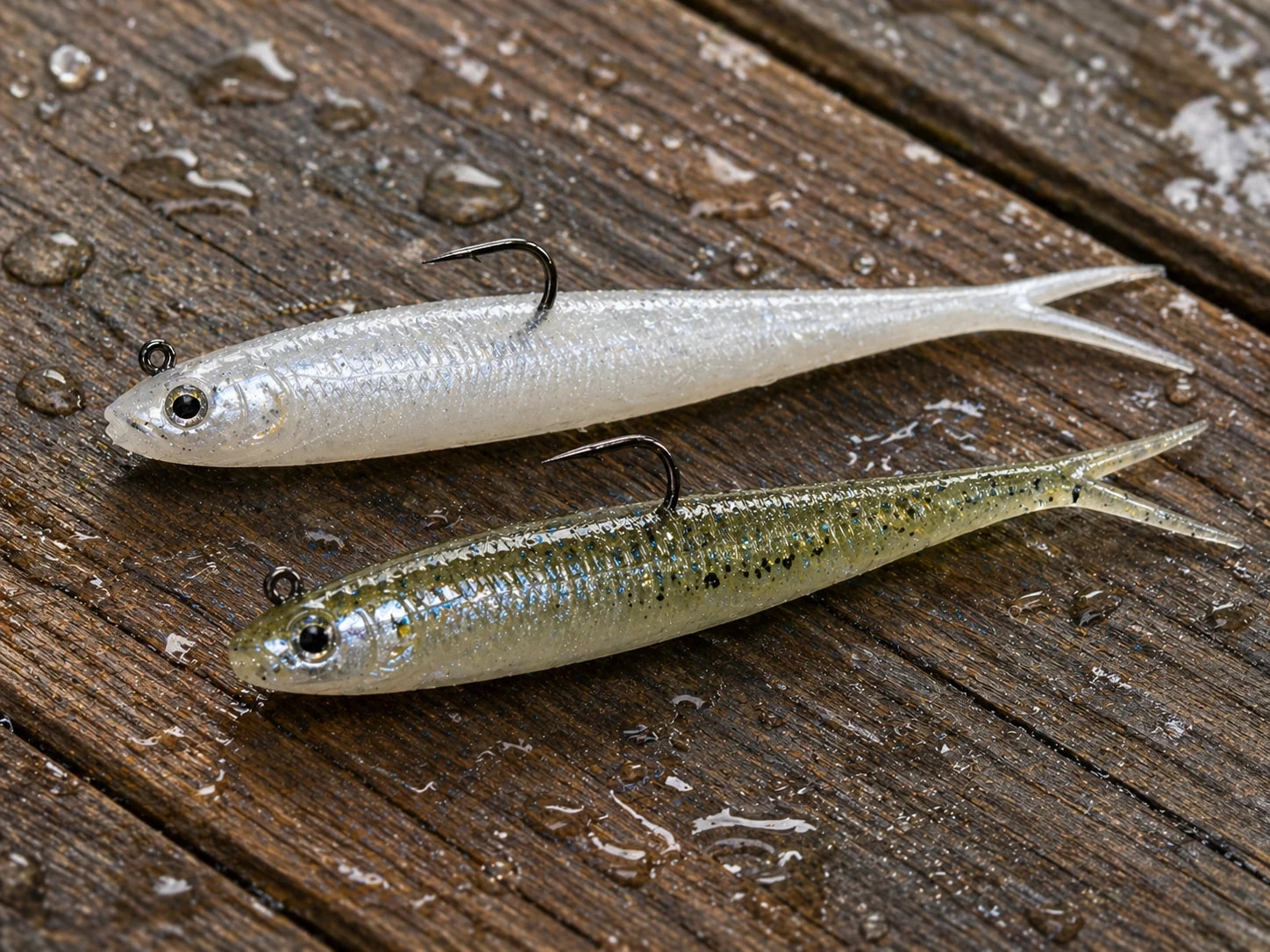
A soft jerkbait is a soft-plastic baitfish imitation — slender, hollow-body sometimes, with a forked or paddle tail. The original is the Zoom Super Fluke, and the term “fluke” has become a generic name for the entire category. Rigged weightless on a wide-gap hook, it produces a darting, side-to-side action on a twitched retrieve and a slow, fluttering fall on the pause.
It’s the ultimate “search bait when nothing’s working” — covers water, looks alive, and triggers reaction strikes from inactive fish.
When to Throw a Soft Jerkbait
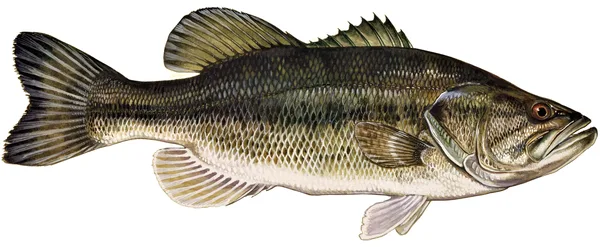
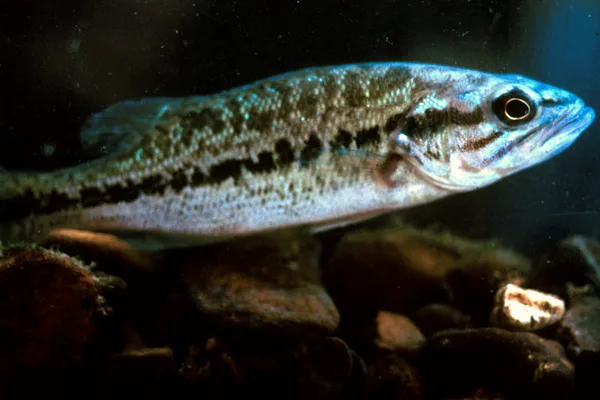
Post-spawn is the absolute peak window. Bass that have just spawned are recovering, suspended over flats and around emerging vegetation, and a fluke worked at 2-6 feet draws strikes from fish that ignore everything else.
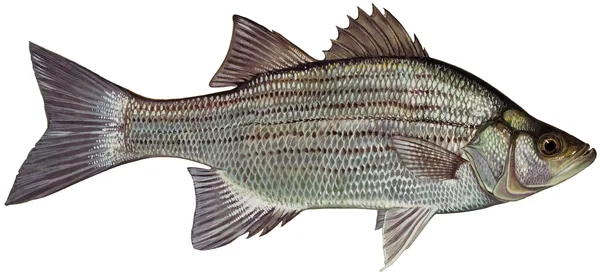
Schooling fish — bass busting shad on the surface — get drawn out of the school by a fluke worked through the chaos. Cast past the schooling activity, twitch the fluke through, and pause when it’s directly in the strike zone.
Pressured shallow bass — pond bass, dock bass, weed-edge bass that have seen every other lure. The subtle fall fools fish that won’t touch a topwater or spinnerbait.
Rigging Methods
Weightless texas rig is the default — 4/0 or 5/0 wide-gap hook, threaded straight, hook point pinched flush to the body. Skin-hook the point so it’s weedless but pulls free on the hookset.
Weighted swimbait hook for windy days or deeper presentations. Use a 1/8 to 1/4 oz weighted EWG and slow-roll the bait at 4-8 feet.
Belly-weighted hook keeps the bait upright and in a horizontal swimming posture — useful for the slow-roll retrieve when bass are deep.
Color Selection
Match the baitfish. White-pearl and silver-flake imitate shad. Watermelon-pearl and chartreuse-pepper imitate bluegill. Bone-white and ghost minnow patterns are universal producers in clear water. Black-and-blue or junebug for stained water.
Tackle
A 7’ to 7’2” medium-power baitcasting rod with a fast tip, 12-15 lb fluorocarbon, and a 7:1 reel is the standard. For lighter line approaches, a medium-power spinning rod with 8-10 lb fluorocarbon works for finicky pressured bass.