Hybrid Striped Bass Fishing in Indiana
The hybrid striped bass, widely known as the wiper, has earned a reputation as one of the hardest-fighting fish pound-for-pound in Indiana waters. This hatchery-produced cross between a white bass and a striped bass combines aggressive feeding behavior, impressive speed, and a tolerance for warm water that makes it well-suited to Hoosier reservoirs. The Indiana state record is a 22-pound, 2-ounce fish caught from the Tippecanoe River in Carroll County in 2005.
Identification
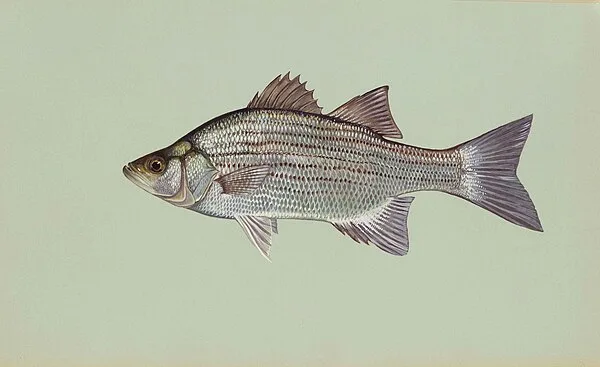
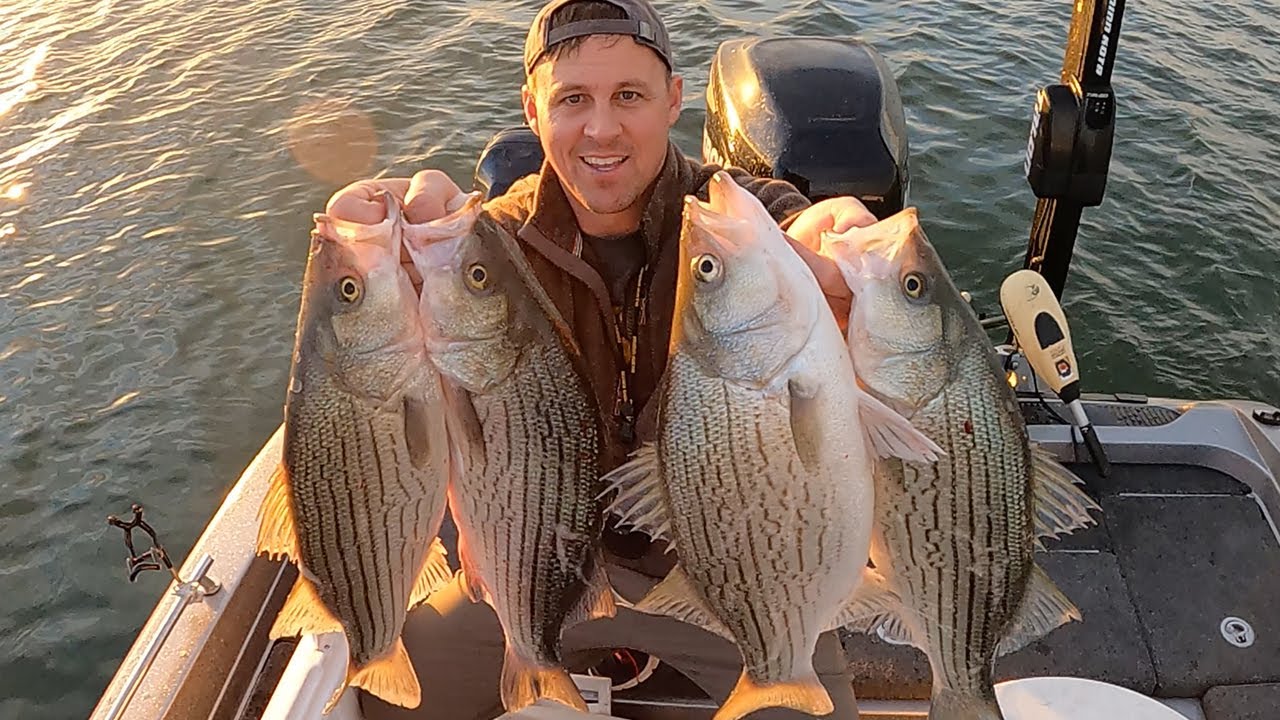
Hybrid striped bass resemble both parent species but show intermediate characteristics. They have a silvery body with a slightly deeper, more compressed profile than a pure striped bass. The key identification feature is the lateral stripes — on hybrids, the horizontal lines along the body are typically broken, offset, or irregular rather than the bold, continuous stripes of a pure striper. The body shape is stockier than a striped bass but more elongated than a white bass. Most Indiana hybrids run 2 to 6 pounds, with fish over 8 pounds considered excellent.
Where to Find Hybrid Striped Bass
The Indiana DNR has stocked hybrid striped bass in numerous reservoirs across the state. These fish thrive in larger impoundments with strong shad forage bases and adequate depth.
Brookville Lake in Franklin and Union counties receives hybrid striped bass stockings and offers good structure for wipers to patrol. The lake’s clear water and extensive points create ambush opportunities.
Monroe Lake in Monroe County, as Indiana’s largest reservoir, provides ample habitat and forage for hybrids. Creek arms and main-lake flats are primary feeding zones.
Cecil M. Harden Lake (Raccoon Lake) in Parke County supports both hybrid and pure striped bass populations, creating a unique mixed fishery.
Mississinewa Lake and other mid-size reservoirs across central and southern Indiana have hosted hybrid stockings in various years. The DNR rotates stocking locations based on management objectives and lake conditions.
Wipers are also encountered in rivers connected to stocked reservoirs. The Tippecanoe River produced the state record, and fish stocked in reservoirs occasionally move into connected river systems.
Seasonal Patterns
Spring (May-June): Wipers become highly active as water temperatures climb through the 60s. They chase shad schools into shallow creek arms and across wind-blown flats. Surface-feeding activity picks up dramatically, and casting to visible schools is the most exciting spring approach. This is the peak season for numbers and aggressive strikes.
Summer (July-August): Hybrid striped bass handle warm water better than pure stripers but still seek cooler, deeper water during peak summer heat. They suspend near the thermocline in open water and make feeding runs to the surface during dawn and dusk. Trolling crankbaits at thermocline depth or fishing live bait under slip floats near suspended schools are standard summer tactics.
Fall (September-October): The second major feeding period. Wipers sense the shortening days and feed aggressively in preparation for winter. They herd shad against points, rocky banks, and dam faces. Surface blitzes can happen at any time of day as water temperatures drop through the 60s. This is trophy season — the largest fish of the year are often caught in October.
Winter (November-March): Hybrids slow their metabolism but continue to feed. They hold in deeper water along channel edges and near the dam. Blade baits, jigging spoons, and slow-presented live bait near bottom structure account for winter catches. Patience and precise electronics work are required.
Tactics and Rigging
Casting to surface schools is the signature wiper technique. When you spot birds diving or shad spraying on the surface, move within casting range quickly and throw a swimbait, inline spinner, or topwater plug into the melee. Wipers strike with explosive force and make powerful runs. These surface windows can disappear in minutes, so keep a rod rigged and ready.
Trolling crankbaits along main-lake structure at 2 to 3 mph locates scattered fish efficiently. Medium-diving crankbaits in shad patterns are the standard choice. Use planer boards to spread your presentation and avoid spooking fish in clear water.
Live bait under a slip float is deadly when fish are holding at a specific depth. A 3 to 5-inch gizzard shad hooked through the back and suspended at thermocline depth will draw strikes from wipers that ignore artificial presentations.
Use a 7-foot medium to medium-heavy spinning or baitcasting rod with 10 to 15-pound line. Wipers make screaming initial runs — set your drag accordingly and let them tire against the rod.