Lake Wawasee Fishing Guide — Indiana's Largest Natural Lake
March 19, 2026
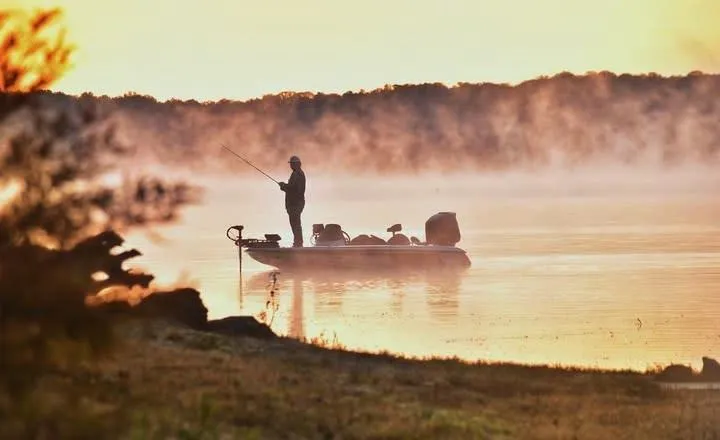
Lake Wawasee is Indiana’s largest natural lake and one of the finest fisheries in the northern part of the state. At about 3,000 acres in Kosciusko County, it offers exceptional weed fishing for largemouth bass, outstanding panfish, and a chance at northern pike and muskellunge. The lake earned recognition as a B.A.S.S. Top 100 lake, and its connection to Syracuse Lake via a navigable channel gives anglers access to about 3,400-3,500 acres of combined water. Wawasee sits about 40 miles northwest of Fort Wayne and 150 miles north of Indianapolis near the town of Syracuse.
Lake Overview
| Stat | Details |
|---|---|
| Surface area | ~3,000 acres |
| Maximum depth | 77 feet |
| County | Kosciusko |
| Nearest town | Syracuse, IN |
| Origin | Natural glacial lake |
| Connected to | Syracuse Lake (411 acres via channel) |
| Primary species | Largemouth bass, bluegill, crappie, northern pike, muskellunge |
Lake Wawasee is a glacial lake formed during the last ice age, giving it characteristics very different from Indiana’s man-made reservoirs. The lake features hard sand and gravel bottoms, extensive native weed growth, clear water, and natural depth structure with drop-offs and humps scattered across the basin. Maximum depth reaches 77 feet, but most of the productive fishing happens in 5-20 feet where the weeds grow.
The lake is heavily developed with homes, docks, and resorts along much of the shoreline, giving it a northern-resort feel. Despite the development, the fishery remains productive thanks to the extensive weed beds that provide habitat, forage, and spawning areas for virtually every species in the lake.
Largemouth Bass — Weed Fishing at Its Best
Wawasee’s bass fishery revolves entirely around weeds. Milfoil, coontail, cabbage (pondweed), and lily pads blanket the shallower areas of the lake, creating a bass habitat that rewards anglers who can fish in and around heavy vegetation.
Where to Find Bass
- Weed mats — dense surface mats of milfoil and coontail in 5-10 feet of water. Bass hide beneath these mats, ambushing bluegill and shad. This is the primary habitat from June through September.
- Weed edges — the outside edge where vegetation meets open water, typically in 8-14 feet. This is the most consistent bass producer year-round.
- Cabbage patches — isolated stands of broadleaf cabbage (pondweed) on humps and flats. Bass relate to the tallest, greenest cabbage they can find.
- Lily pad fields — shallow pads in 2-5 feet of water, especially in the bays and along the north shore. Prime spawning habitat in spring.
- Docks over weeds — the combination of dock shade and adjacent weed cover concentrates bass throughout summer.
- Humps and points — underwater humps with weed growth are classic Wawasee structure. Bass hold on top of these humps during feeding periods and drop to the edges when inactive.
Top Techniques
Frogs — a hollow-body frog is the number-one bait on Wawasee from June through September. Walk it over weed mats, through lily pads, and along weed edges. Black, white, and natural green are the go-to colors. Use braided line (50-65 lb) and a heavy action rod to pull bass out of the vegetation.
Buzzbaits — an early morning staple. Buzz a 3/8 oz buzzbait over weed mat openings and along pad edges at first light. Black or white with a clacker blade produces explosive strikes.
Swim jigs — a 3/8 oz swim jig in bluegill or shad patterns, swum through and over weed mats. The swim jig lets you cover water faster than a frog and gets bit when bass are actively chasing.
Punching — for bass buried deep in the thickest mats. Thread a 1 to 1.5 oz tungsten weight ahead of a beaver-style bait or creature bait on a stout hook, and punch through the mat canopy. The bait drops into open pockets below the mat where big bass hide.
Texas-rigged plastics — a 7-inch ribbon tail worm or creature bait rigged weedless, fished along weed edges and through scattered cover. Green pumpkin and junebug work well in the clear water.
Wacky rig — a 5-inch Senko rigged wacky-style, fished in pockets within weed beds and along dock edges. Deadly during the post-spawn period (late May-June) when bass are recuperating near cover.
Jerkbaits — in early spring before weeds emerge, suspending jerkbaits worked over flats and along emerging weed growth catch bass staging for the spawn.
Bluegill and Panfish — Year-Round Quality
Wawasee’s panfish fishing is outstanding. The lake’s extensive weed beds create ideal bluegill and crappie habitat, and fish grow well in the fertile water.
Bluegill
Wawasee produces chunky bluegill in the 7-9 inch range, with occasional fish reaching 10 inches.
Spring/Summer (May–August): Spawning bluegill move onto sand and gravel beds in 3-6 feet, often inside weed pockets or along dock edges. Look for light-colored circles on the bottom — those are beds. Small jigs, crickets, wax worms, or pieces of nightcrawler fished under a small bobber are all effective. After the spawn, bluegill hold in weed pockets and along weed edges.
Fall: Bluegill pull to deeper weed edges (8-12 feet) and can be caught on small jigs and live bait.
Winter/Ice Fishing: Bluegill are the number-one ice fishing target on Wawasee. Fish hold in weed pockets and along weed edges in 8-15 feet. Tiny tungsten jigs tipped with wax worms or spikes, fished on ultra-light tackle with spring bobbers, is the standard approach. See our Indiana ice fishing guide for more techniques.
Crappie
Both black and white crappie are present. Spring crappie (April-May) push into brush and dock pilings in 4-8 feet. Minnows under slip bobbers and small jigs in pink, chartreuse, or white are the standard presentations. Summer crappie suspend over deeper weed beds and on the main lake humps.
For more panfish destinations, see our guide to the best bluegill and panfish lakes in Indiana.
Northern Pike and Muskellunge
Wawasee holds a population of northern pike that provides an exciting bonus for anglers. Pike patrol the weed edges and ambush prey over the weed mats. Fish in the 24-30 inch range are common, with occasional pike pushing into the mid-30s.
Where: Weed edges in 6-12 feet, especially on the north and east shores where large weed flats extend from shore. The channel between Wawasee and Syracuse Lake also holds pike.
Technique: Large spinnerbaits, inline spinners (size 4-5 Mepps), spoons, and jerkbaits retrieved along weed edges and over the tops of weed beds. Use a steel or fluorocarbon leader to prevent bite-offs.
Muskellunge are present in lower numbers, stocked periodically by the DNR. Muskie encounters are uncommon but exciting — fish occasionally exceed 40 inches. If you are specifically targeting muskie, see our pike and muskie fishing guide for dedicated tactics.
Syracuse Lake Connection
One of Wawasee’s unique advantages is its connection to Syracuse Lake, a 411-acre natural lake linked by a navigable channel. This meaningfully expands your options on any given day.
Syracuse Lake is shallower than Wawasee (max depth about 34 feet) with excellent weed growth and productive panfish and bass populations. On days when wind makes the main Wawasee basin rough, Syracuse Lake’s smaller size often provides calmer water. Conversely, when Wawasee’s bass are not cooperating, a run through the channel to Syracuse can save the trip.
The channel itself holds fish. Crappie, bluegill, and bass relate to the dock systems and weed cover along the channel. During ice fishing season, the channel area is a popular spot due to slightly different weed structure and depth transitions.
Seasonal Calendar
| Season | Primary Targets | Where to Fish | Top Techniques |
|---|---|---|---|
| Spring (Mar–May) | Bass, crappie, bluegill | Emerging weed beds, sand flats, brush, docks | Jerkbaits, jigs, minnows, live bait |
| Summer (Jun–Aug) | Bass, bluegill | Weed mats, lily pads, weed edges, humps | Frogs, buzzbaits, swim jigs, wax worms |
| Fall (Sep–Nov) | Bass, pike, panfish | Weed edges, dying weed beds, main lake points | Crankbaits, spinnerbaits, jigs |
| Winter (Dec–Feb) | Bluegill, crappie, pike | Weed pockets (8-15 ft), weed edges, channel | Ice jigs, tip-ups, minnows |
Spring (March–May)
As ice melts and the water warms through the 40s and 50s, bass begin staging on flats adjacent to spawning areas. Before the weeds emerge, suspending jerkbaits and Ned rigs on clean sand flats are the top producers. By mid-April, the first weed growth appears, and bass gravitate to it immediately.
Crappie push into shallow brush and dock pilings during April. Bluegill move onto spawning beds in May, providing some of the year’s best panfishing.
The pre-weed period (March through mid-April) is unique on Wawasee — the lake fishes more like an open-basin lake, and anglers who rely on weeds year-round need to adjust. Focus on hard bottom areas, docks, and the remaining green weeds from the previous year.
Summer (June–August)
Peak fishing season on Wawasee. Weed mats are fully developed, and bass are locked into their summer patterns. Frog fishing over mats and buzzbait fishing at dawn are at their best.
Boat traffic on Wawasee is heavy on summer weekends — this is a popular recreational lake. Fish early mornings, target the weed mats and no-wake areas where ski boats cannot go, and consider weekday trips when possible.
Panfish hold in weed pockets and along weed edges. Small poppers and flies on a fly rod, fished in weed openings, provide some of the most enjoyable bluegill fishing in Indiana.
Fall (September–November)
As weeds begin to die back, bass concentrate on the remaining green weeds. This compression makes them easier to locate — find the greenest, healthiest weeds, and you will find the bass.
Spinnerbaits and swim jigs along weed edges are top fall producers. Lipless crankbaits ripped through dying weed beds trigger reaction strikes. Northern pike become more aggressive in fall, and the weed edges are prime territory for pike anglers.
Winter (December–February)
Ice fishing on Wawasee is a tradition in northern Indiana. The lake typically freezes by late December or early January in a normal winter, providing six to eight weeks of ice fishing.
Bluegill are the primary target. Drill holes over weed beds in 8-15 feet and fish tiny jigs tipped with wax worms or spikes. An underwater camera or flasher helps locate weed pockets and fish.
Crappie hold in similar areas but tend to be slightly deeper and more suspended. Minnows on small hooks under a spring bobber are effective.
Northern pike can be targeted through the ice with tip-ups baited with large shiners, set over weed edges in 6-12 feet.
For complete ice fishing tactics, see our Indiana ice fishing guide.
Access Points and Boat Ramps
| Ramp | Location | Facilities |
|---|---|---|
| Wawasee DNR public access | South shore | Paved ramp, large parking, restrooms |
| Syracuse Lake DNR access | Syracuse Lake south shore | Paved ramp, parking |
| Conklin Bay | Northwest shore | Ramp, limited parking |
| Various marina ramps | Multiple | Full-service marinas with fuel and rentals |
The DNR public access on the south shore of Wawasee is the primary launch point. It has a well-maintained ramp and ample parking, but it fills early on summer weekends. Arrive before 7 AM on Saturdays.
Syracuse Lake access provides an alternative entry point and puts you on Syracuse Lake without running through the channel.
Several private marinas on both lakes offer boat rentals, fuel, and seasonal slip rentals. For anglers visiting without a boat, renting a fishing boat from a local marina is a good option.
Bank fishing is limited on Wawasee due to extensive private shoreline development. The DNR access area and a few public parks offer shore access, but a boat is strongly recommended for this lake.
Regulations
Lake Wawasee follows standard Indiana fishing regulations:
| Species | Daily Bag | Minimum Size |
|---|---|---|
| Largemouth Bass | 5 | 14 inches |
| Northern Pike | 3 | 24 inches |
| Muskellunge | 1 | 36 inches |
| Crappie | 25 | None |
| Bluegill | 25 | None |
| Channel Catfish | 10 | None |
Check the current DNR regulations for any special rules on Wawasee. A valid Indiana fishing license is required.
Nearby Resources
Lake Wawasee is in Kosciusko County in the heart of northern Indiana’s lake country. The town of Syracuse is on the lake’s east shore with restaurants, gas, and lodging.
- Fishing guides — several guides operate on Wawasee and the surrounding Kosciusko County lakes. A guided trip is the best way to learn the weed patterns.
- Bait shops — tackle shops in the Syracuse and Warsaw area carry live bait and local advice.
- Lodging — resorts, cabins, and vacation rentals line the lake. Book early for summer weekends.
- Nearby lakes — Kosciusko County has over 100 lakes. Webster Lake (muskie), Tippecanoe Lake, and Winona Lake are all within a short drive.
For more Indiana bass destinations, see our guide to the best bass lakes in Indiana.
Plan Your Trip
- Best time to visit: June through August for weed mat bass fishing with frogs. May-June for bluegill on beds. December-February for ice fishing.
- Bring weed gear — heavy braided line, stout rods, frogs, buzzbaits, and punch rigs. If you are not equipped for weeds, you will miss the best fishing on Wawasee.
- Get your license — you need an Indiana fishing license before you fish
- Fish both lakes — use the Syracuse Lake channel to your advantage. If one lake is slow, run to the other.
- Check ice conditions — for winter trips, verify ice thickness with local bait shops before heading out. Conditions change rapidly.
- Arrive early on weekends — the DNR ramp fills fast on summer Saturdays. Get there before 7 AM.
- Visit a bait shop in Kosciusko County for current conditions and weed status
View the Lake Wawasee page for more details on this fishery.
Frequently Asked Questions
What are the best fish to catch at Lake Wawasee?
Largemouth bass is the primary draw — Wawasee has been named a B.A.S.S. Top 100 lake and produces quality fish from its extensive weed beds. Bluegill and crappie are excellent, especially in the weed pockets and around Syracuse Lake. Northern pike and occasional muskellunge add a trophy element.
Can you ice fish on Lake Wawasee?
Yes, Lake Wawasee is a popular ice fishing destination in northern Indiana. Bluegill and crappie are the primary winter targets, with fish holding in weed pockets and along weed edges in 8-15 feet of water. Always check ice thickness before venturing out — a minimum of 4 inches of clear ice is needed for walking.
Is Lake Wawasee connected to Syracuse Lake?
Yes, Lake Wawasee and Syracuse Lake are connected by a navigable channel. Syracuse Lake adds roughly 411 acres of fishable water, giving anglers access to about 3,400-3,500 combined acres. The channel itself holds fish, and the ability to move between lakes based on conditions is a major advantage.