Patoka Lake Fishing Guide — Bass, Crappie, and Catfish in Southern Indiana
March 19, 2026
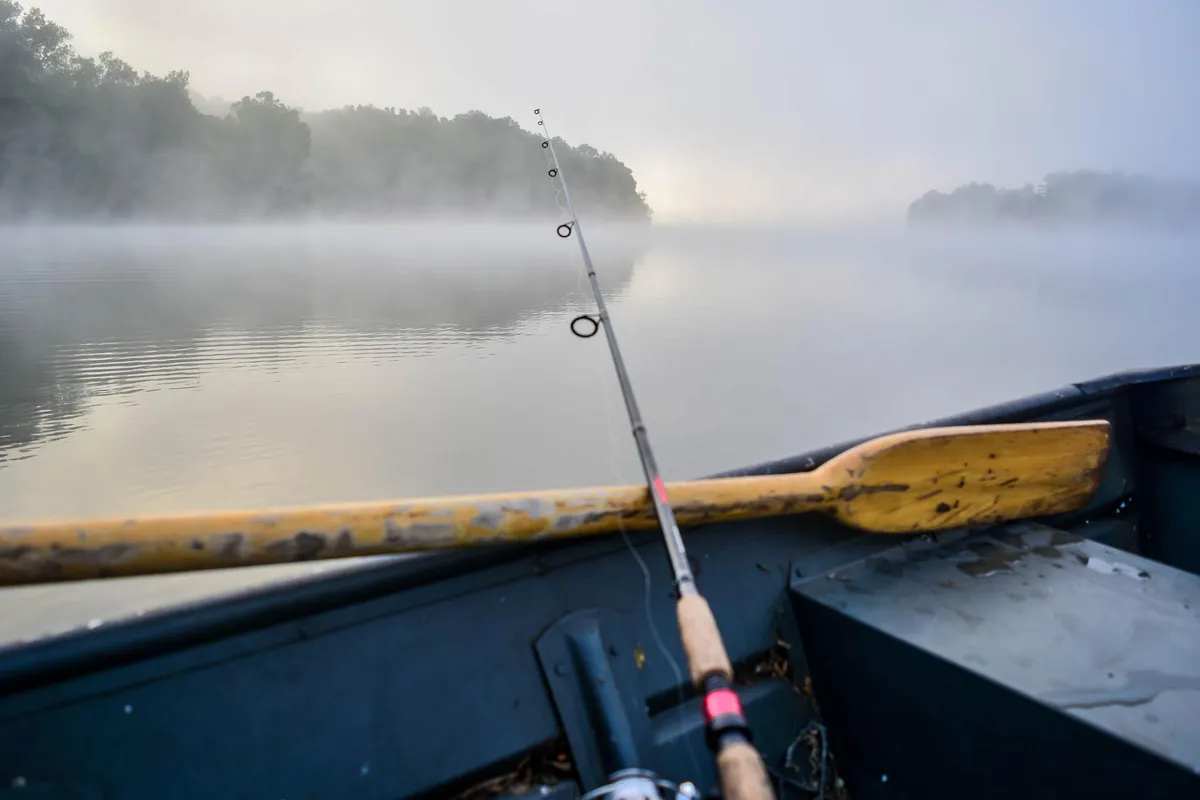
Patoka Lake is Indiana’s second-largest reservoir and one of southern Indiana’s best-kept fishing secrets. At 8,800 acres spread across the forested hills of Dubois, Orange, and Crawford counties, it offers outstanding bass, crappie, and catfish fishing in a setting that feels far removed from the rest of the state. The lake sits about 120 miles south of Indianapolis and 25 miles south of French Lick.
Lake Overview
| Stat | Details |
|---|---|
| Surface area | 8,800 acres |
| Maximum depth | 52 feet |
| Counties | Dubois, Orange, Crawford |
| Nearest towns | Birdseye, French Lick, Jasper |
| Built | 1978 (U.S. Army Corps of Engineers) |
| Dam | Patoka River dam |
| Primary species | Largemouth bass, spotted bass, crappie, channel catfish, bluegill |
Patoka Lake was impounded in 1978 on the Patoka River as a flood control and recreation project. The surrounding Patoka Lake State Recreation Area encompasses over 25,000 acres of wooded hills, making it one of the most scenic fishing destinations in the state. The water tends to be moderately stained — clearer than most central Indiana reservoirs but murkier than Brookville — which keeps the bass fishery productive throughout the day rather than just at low-light windows.
The lake’s irregular shoreline creates hundreds of creek arms, coves, and secondary pockets. This complexity is what makes Patoka so productive. You can fish for weeks without covering the same water twice.
Largemouth Bass — Deep Timber and Creek Arms
Patoka Lake is a legitimate sleeper bass fishery. The combination of standing timber, steep-sided creek arms, and a healthy shad population produces largemouth bass over 5 pounds with regularity. The lake does not get the tournament pressure that Monroe Lake or the northern natural lakes receive, which means the fish see fewer lures.
Where to Find Largemouth
- Creek arms — Patoka has dozens of creek arms, ranging from shallow mud-bottom coves to deep, timbered channels. The backs of arms warm first in spring and concentrate shad in fall.
- Standing timber — the lake’s primary structure. Flooded hardwood trees in 8-20 feet along creek channels and the main river channel hold bass from summer through winter.
- Brush piles — the DNR and local fishing clubs have sunk brush in various locations. These artificial structures concentrate crappie and bass alike.
- Main lake points — where creek arms meet the main body. These transitions hold bass year-round, especially in summer and fall.
- Riprap — the dam face and causeway riprap hold bass and panfish, especially in early spring when rock warms faster than surrounding cover.
Top Techniques
Jigs — a 3/8 to 1/2 oz jig in black-and-blue or brown-and-orange pitched to timber and brush. Patoka is a jig lake through and through.
Spinnerbaits — a 1/2 oz tandem willow spinnerbait in chartreuse/white, slow-rolled through standing timber and along creek channel ledges. The stained water makes spinnerbaits productive all day, not just in low light.
Texas-rigged plastics — 10-inch worms, creature baits, and beaver-style baits fished through timber and along the bottom in creek arms. Junebug, black-and-blue, and green pumpkin are reliable colors.
Crankbaits — medium-diving squarebills and crankbaits bounced off timber and stumps in creek arms during spring and fall. Shad-pattern crankbaits are a fall staple when bass are chasing baitfish.
Topwater — buzzbaits at dawn over shallow stump fields. Walking baits over schooling fish in creek arms during fall.
Spotted Bass — The Bonus Species
Patoka Lake holds a solid population of spotted bass, primarily along the steeper, rockier banks of the main lake body and near the dam. Spotted bass tend to run 1-2 pounds on Patoka, with occasional fish pushing 3 pounds.
Where: Rocky banks on the main lake, riprap along the dam, steep bluff walls in the lower lake.
Technique: Drop-shot rigs with small finesse worms, light jigheads with Ned rig plastics, and small crankbaits targeting 10-20 feet of water along rock transitions. Spotted bass on Patoka eat more like smallmouth than largemouth — finesse presentations outperform power fishing for this species.
Crappie — Timber and Brush Piles
Patoka’s crappie fishing is excellent and somewhat overshadowed by the bass. Both black and white crappie are present, with fish averaging 9-11 inches and plenty of slabs reaching 12-14 inches.
Spring Crappie (April–May)
Crappie migrate from the main lake into creek arms as water temperatures reach the mid-50s. They stage around deeper brush and timber in 8-12 feet before pushing to 3-6 feet to spawn.
Best spots:
- Standing timber in the Lick Fork arm
- Brush piles in the Newton-Stewart area
- Secondary creek arms off the main channel
- Stake beds and sunken brush along creek channels
Technique: Minnows under slip bobbers at 4-10 feet, tight to timber. Small jigs (1/32 oz) in chartreuse, orange, or white, tipped with a minnow. Long-line trolling small crankbaits through creek arms covers water efficiently.
Summer and Fall Crappie
Summer crappie suspend in deeper timber over the main creek channels in 15-25 feet. Use electronics to locate them, then vertical jig with small tubes or hair jigs. Fall crappie follow shad back into creek arms for another round of productive shallow fishing.
Channel and Flathead Catfish
Patoka Lake’s catfish population is robust. Channel cats are everywhere, and flatheads exceeding 30 pounds are caught annually.
Channel catfish spots: Creek channel bends, the flats near the dam, riprap sections, and anywhere you find current during water releases.
Flathead spots: Deep timber along the main Patoka River channel, log jams at the mouths of major creek arms, and rocky structure near the dam.
Technique: Cut shad and chicken liver on slip sinker rigs for channels. Live bluegill or large minnows on heavy bottom rigs for flatheads. Summer night fishing from an anchored boat produces the best catfish action.
Muskie — A Growing Opportunity
The Indiana DNR has stocked muskellunge in Patoka Lake periodically, and the fish have grown well in this fertile environment. Muskie encounters are not common, but anglers occasionally catch fish over 40 inches while bass fishing.
If you want to target muskie on Patoka, focus on the main lake points and the deeper creek arm mouths with large swimbaits, jerkbaits, and bucktails. For dedicated muskie fishing in Indiana, see our pike and muskie guide.
Seasonal Calendar
| Season | Primary Targets | Where to Fish | Top Techniques |
|---|---|---|---|
| Spring (Mar–May) | Bass, crappie | Creek arms, shallow timber, stump fields | Jigs, spinnerbaits, minnows under bobbers |
| Summer (Jun–Aug) | Bass, catfish, crappie | Deep timber (15-25 ft), channel bends, night flats | Texas rigs, cut bait, vertical jigs |
| Fall (Sep–Nov) | Bass, crappie | Creek arms (shad migrations), main lake points | Crankbaits, topwater, minnows in timber |
| Winter (Dec–Feb) | Crappie, spotted bass | Deepest timber, main channel, dam riprap | Slow jigs, minnows, drop-shot |
Spring (March–May)
The prime fishing season on Patoka. As the water warms through the 50s, bass and crappie move from the main lake into the dozens of creek arms that branch off the Patoka River channel. The key is finding the warmest water — protected coves with dark bottoms and shallow cover warm several degrees ahead of the main lake.
Pre-spawn bass (water temps 50-60) stage on the first available cover in creek arms — stumps, laydowns, and brush at the creek arm mouths. Spinnerbaits and jigs rolled past this cover produce aggressive strikes. Once bass move to beds (water temps 62-68), sight fishing over stump fields and sandy flats is productive.
Summer (June–August)
Bass shift to deeper timber and the main creek channel edges, holding in 10-20 feet of water. Early morning topwater fishing over shallow stumps is still productive through June, transitioning to deeper presentations by mid-summer.
This is the best time for catfishing. Launch at dusk, set up on a creek channel bend, and fish through the warmest hours of the night.
Fall (September–November)
Fall is arguably the most exciting time to fish Patoka. Shad push into creek arms as the water cools, and bass follow in packs. Look for surface activity — breaking fish, diving birds, and baitfish spraying — and throw crankbaits, topwater walking baits, or lipless crankbaits into the frenzy.
Crappie follow the same shad migrations, making fall a second spring for crappie anglers.
Winter (December–February)
Fishing slows but does not stop. Crappie stack in the deepest available timber on the main river channel. Spotted bass continue to bite on finesse presentations along the dam riprap and rocky main lake banks. Dress for the cold and fish the warmest hours of the afternoon.
Access Points and Boat Ramps
| Ramp | Location | Facilities |
|---|---|---|
| Newton-Stewart SRA | North shore | Ramp, large parking area, restrooms, camping, beach |
| Walls SRA | South shore | Ramp, parking, restrooms, camping |
| Lick Fork SRA | East side | Ramp, parking, restrooms |
| South Lick Fork | Southeast | Ramp, limited parking |
| Jackson Creek | Upper lake | Ramp, limited parking |
Newton-Stewart is the primary access point and has the best facilities, including a marina and campground. It is also the busiest ramp, especially on summer weekends.
Walls SRA on the south shore provides access to less-pressured water and is a good choice for anglers targeting the middle and lower sections of the lake.
Lick Fork gives direct access to one of the lake’s best crappie arms and is a favorite among local crappie anglers.
Bank fishing opportunities exist at all access points, with good bank fishing at the dam area and along the Newton-Stewart causeway.
Regulations
Patoka Lake follows standard Indiana fishing regulations:
| Species | Daily Bag | Minimum Size |
|---|---|---|
| Largemouth/Spotted Bass | 5 combined | 15 inches |
| Crappie | 25 | None |
| Channel Catfish | 10 | None |
| Flathead Catfish | None | None |
| Muskellunge | 1 | 36 inches |
| Bluegill | 25 | None |
Check the current DNR regulations for any special rules. A valid Indiana fishing license is required.
Nearby Resources
Patoka Lake spans parts of Dubois County and Orange County, with the town of French Lick 25 miles to the east and Jasper about 20 miles to the north.
- Fishing guides — guided trips are available on Patoka Lake. A half-day trip is a smart investment for learning the lake’s timber and creek arm patterns.
- Bait shops — pick up live bait and local intel at shops in the Birdseye or French Lick area.
- Camping — Patoka Lake State Recreation Area offers campgrounds at Newton-Stewart and Walls, plus backcountry camping in the surrounding forest.
- Boat rentals — available at the Newton-Stewart marina.
For more bass fishing destinations, see our guide to the best bass lakes in Indiana.
Plan Your Trip
- Best time to visit: April through May for bass and crappie, September-October for fall shad chases
- Explore the arms — Patoka has dozens of creek arms. The anglers who cover the most water find the most fish.
- Get your license — you need an Indiana fishing license before you fish
- Bring a good map — the lake’s irregular shoreline and many arms make navigation challenging. A lake map or quality electronics help enormously.
- Check water levels — the Corps of Engineers manages Patoka Lake levels. Rising water pushes bass into shallow flooded cover; falling water pulls them back to the timber.
- Plan for travel — Patoka is remote by Indiana standards. Stock up on fuel, food, and tackle before you arrive. The nearest town with full services is Jasper.
View the Patoka Lake page for more details on this fishery.
Frequently Asked Questions
What is the best time to fish Patoka Lake?
Spring (April through May) is the best season overall. Bass and crappie push into shallow creek arms to spawn, creating the most accessible fishing of the year. Fall (September-October) is excellent for bass chasing shad. Summer provides the best catfishing, especially at night.
What species of fish are in Patoka Lake?
Patoka Lake holds largemouth bass, spotted bass, crappie (black and white), channel catfish, flathead catfish, bluegill, redear sunfish, and some muskellunge from DNR stocking. The bass and crappie fisheries are the primary draw for most anglers.
Where are the boat ramps on Patoka Lake?
Patoka Lake has several public boat ramps. The three main ones are Newton-Stewart SRA on the north shore (the largest and busiest), Walls SRA on the south shore, and Lick Fork SRA on the east side. All three have paved ramps, parking, and restrooms. Smaller ramps at South Lick Fork and other access points provide options on busy weekends.