Lake Whitefish Fishing in Indiana
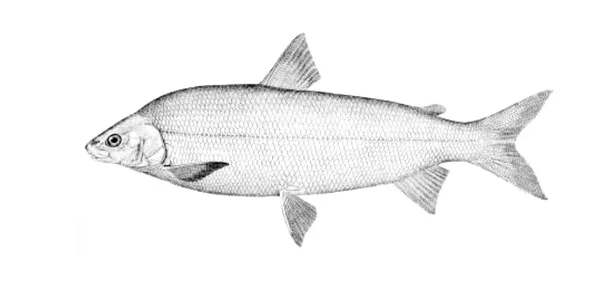
Lake whitefish are one of the most overlooked sportfish in Indiana. They are not flashy. They do not jump. They will never make the cover of a fishing magazine. But for a growing number of anglers along Indiana’s Lake Michigan shoreline, whitefish have become a dedicated cold-weather pursuit that fills the gap between fall salmon runs and the spring pier fishing season. The state record has been broken eight times since 2012, a testament to both a thriving whitefish population in southern Lake Michigan and the increasing number of anglers who have figured out how to target them.
The current state record of 9 lbs 5 oz was caught by Phil Duracz of Chesterton while fishing near Portage in March 2021. Duracz, a prolific Lake Michigan angler who has set multiple state records across species, landed the fish while jigging from shore — proof that trophy-class whitefish are accessible to anyone with pier access and the right presentation.
Where to Fish
Lake whitefish fishing in Indiana is concentrated at three main access points along the Lake Michigan shoreline:
Portage Lakefront Park is ground zero for Indiana whitefish fishing. The pier extends into Lake Michigan and provides access to water deep enough to hold whitefish during their nearshore movements. This is where the majority of state records have been caught and where the most dedicated whitefish anglers gather during cold-water months.
Michigan City Breakwall offers a longer pier structure with access to deeper water and varied bottom composition. Whitefish use this area throughout the cold-water season, and the breakwall’s length allows anglers to move and search for concentrations of fish.
Port of Indiana Shore-Fishing Site provides additional access on the western end of Indiana’s shoreline. This site sees less fishing pressure than Portage or Michigan City and can produce well when whitefish are in the area.
Seasonal Patterns
Lake whitefish are a cold-water species. In Lake Michigan, they spend the warmer months in deep water (60 to 150 feet or more) and move into the nearshore zone as water temperatures drop below 50 degrees in fall. The best fishing from Indiana’s shore access runs from November through April, with peak action typically occurring from December through March.
Whitefish move nearshore to feed on bottom invertebrates — primarily mayfly larvae, freshwater shrimp, and small mollusks — that are concentrated in the shallower substrate near piers and breakwalls. Their feeding behavior is bottom-oriented, and presentations need to be on or very near the lake floor to be effective.
Water temperature and wave action influence daily fishing quality. Moderate wave action that stirs up the bottom and dislodges invertebrates tends to improve whitefish feeding activity. Dead-calm conditions and extreme storms are both less productive.
Techniques
Pier Jigging
The standard approach for Indiana whitefish. Drop a small jig (1/8 to 1/4 ounce) tipped with a wax worm, mayfly larva (wiggler), or small minnow straight down from the pier to the bottom. Use a slow, subtle jigging motion — short lifts of 6 to 12 inches followed by a controlled drop back to the bottom. Whitefish have small, soft mouths, and the bite is often nothing more than a slight tightening of the line or a gentle tap. Sensitive graphite rods and light line (4- to 6-pound fluorocarbon) are important for detecting strikes.
Swedish Pimples, Kastmasters, and other small jigging spoons in silver and gold finishes are effective when tipped with live bait. The added flash can draw fish from a wider area than plain jig heads.
Ice-Style Jigging
Many whitefish anglers have adopted ice fishing techniques for open-water pier jigging. Small tungsten jigs, tight-line nymphing setups, and ultralight ice rods paired with spinning reels allow for the precise bottom contact and sensitivity that whitefish fishing demands. This crossover approach has become increasingly popular among dedicated whitefish anglers at Portage and Michigan City.
Boat Jigging
Anglers with boats can target whitefish by jigging vertically over rocky structure and hard-bottom areas in 30 to 80 feet of water during the transition periods when fish are moving between deep water and the nearshore zone. This approach requires good electronics to locate fish and precise boat positioning, but it can access whitefish concentrations that pier anglers cannot reach.
A Growing Fishery
The rise of whitefish fishing in Indiana is a relatively recent development driven by ecological changes in Lake Michigan. The collapse of the alewife population — while challenging for salmon and trout management — has benefited whitefish by reducing competition for zooplankton and improving larval survival. The result is a larger, healthier whitefish population that increasingly moves into the nearshore zone where Indiana anglers can reach them.
The dedicated whitefish community along Indiana’s shoreline is small but growing. These anglers fish in conditions that keep most people indoors — freezing temperatures, wind-driven spray, and short winter days. The reward is excellent table fare, the satisfaction of mastering a subtle and technical fishery, and the quiet camaraderie of a pier shared with a handful of like-minded anglers while the rest of the fishing world waits for spring.