Brown Trout Fishing in Indiana
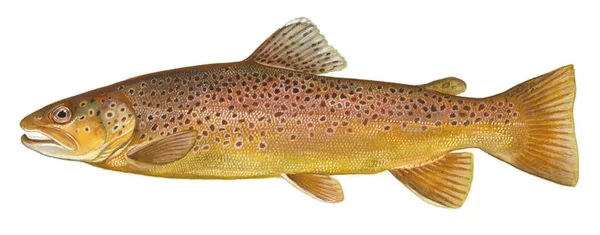
The brown trout occupies a unique niche in Indiana’s fishing landscape. It is the only salmonid in the state that bridges the gap between the inland stocking program and the Lake Michigan fishery, offering two fundamentally different experiences under the same species name. Inland, brown trout are stocked in limited numbers in cold-water streams and select lakes, where they provide a more challenging alternative to the rainbow trout that dominate the put-and-take program. In Lake Michigan and its tributaries, brown trout grow to trophy proportions and behave like an entirely different fish — wary, powerful, and difficult to fool.
The state record of 29 lbs 4.8 oz was caught by Glen Duesing in Lake Michigan in 2006 while casting a Smithwick Rogue crankbait near the State Line Power Plant. That fish measured 39.75 inches and remains one of the most impressive catches in Indiana’s record book.
Inland Brown Trout
The DNR stocks brown trout in smaller numbers than rainbow trout, typically placing them in waters with the best cold-water potential. The Brookville Reservoir tailwater in Franklin County is the premier inland brown trout destination in Indiana. Cold water released from the bottom of Brookville Dam creates year-round conditions that can sustain brown trout through the summer months — something almost no other inland water in the state can do. Brown trout stocked here have the potential to hold over, grow, and provide a multi-season fishery rather than the quick put-and-take experience typical of rainbow trout stockings.
Select northern Indiana lakes including Oliver Lake, Olin Lake, and Martin Lake also receive brown trout stockings and carry a special 18-inch minimum size limit for harvest, reflecting the DNR’s intent to manage these fish for quality rather than quantity.
Brown trout are stocked later than rainbows, typically in May for spring stockings, giving the fish cooler water to acclimate. Fall stockings occur in October and November. The daily bag on inland waters allows only 1 brown trout within the 5-trout total, further emphasizing conservation of the species.
Lake Michigan Brown Trout
The Lake Michigan fishery is where brown trout reach their full potential in Indiana. Fish in the 5- to 15-pound range are realistic targets, and fish exceeding 20 pounds are caught each season. Brown trout in Lake Michigan behave differently from their inland counterparts — they are nearshore predators that cruise shallow water along breakwalls, piers, and sandy shorelines, often in water less than 20 feet deep.
Spring (March-May) is prime time for nearshore brown trout. As water temperatures climb into the low 40s, browns move into the shallows to feed on alewife, gobies, and other forage concentrated near warm-water discharges and harbor structures. Casting crankbaits (Rapalas, Smithwick Rogues, Bomber Long-As) from piers or wading shorelines at dawn and dusk is the classic approach. Trolling small spoons and stickbaits tight to shore also produces well.
Fall (September-November) brings the spawning run. Mature brown trout stage near tributary mouths and push into Trail Creek, the East Branch Little Calumet River, and other small streams along the Indiana shoreline. Fishing spawn sacs, spinners, and small spoons through pools and runs during this window can produce spectacular catches of colored-up fish.
Techniques
Brown trout are notoriously line-shy and selective. On inland waters, use light line (4- to 6-pound monofilament or fluorocarbon) and natural presentations. Live bait — nightcrawlers, minnows, and wax worms — fished on light tackle outproduces hardware for wary browns in clear water.
On Lake Michigan, match the forage. Crankbaits in natural alewife and goby patterns, retrieved with a twitch-and-pause cadence, trigger reaction strikes from cruising browns. Low-light periods at dawn and dusk are far more productive than midday.
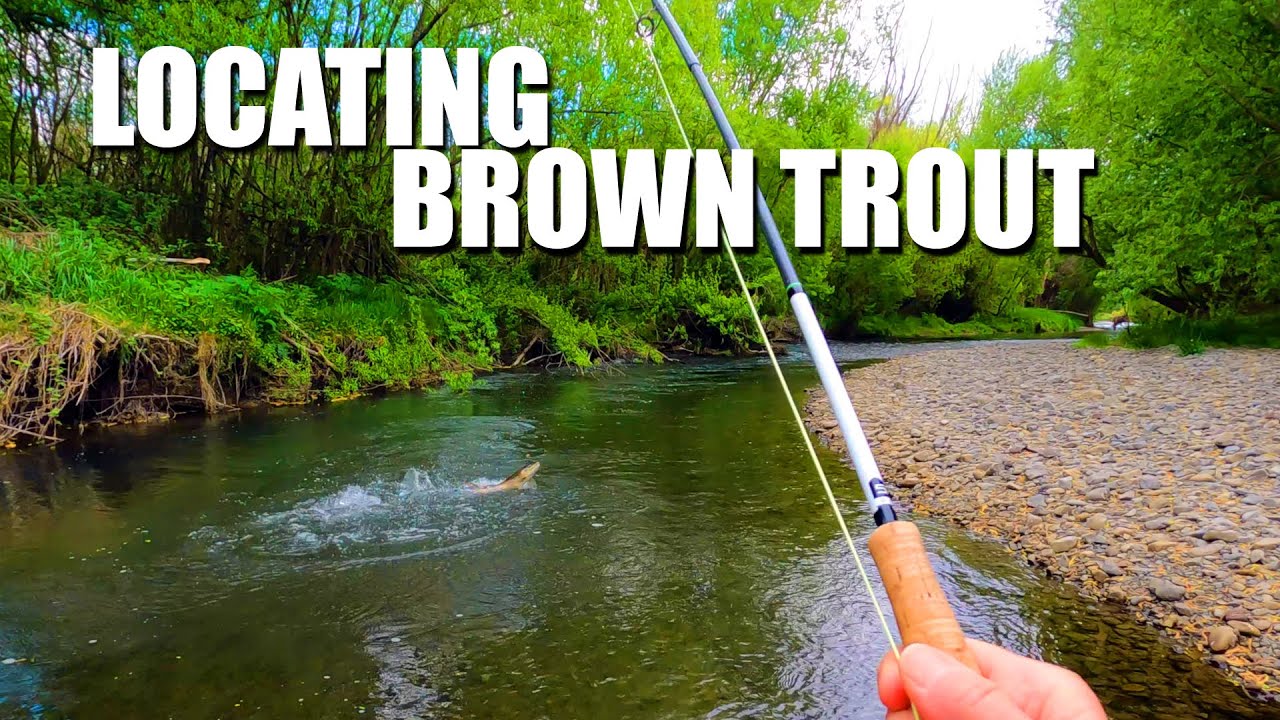
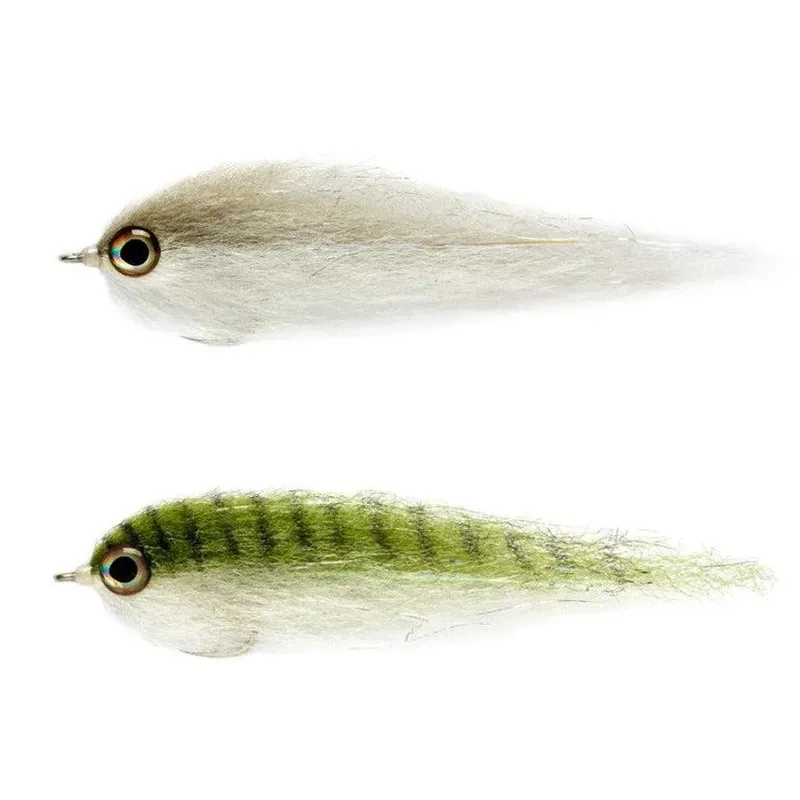
Fly anglers targeting brown trout on tributaries should focus on streamer patterns — woolly buggers, Clouser minnows, and sculpin imitations — stripped through deeper pools and along undercut banks. Brown trout are ambush feeders, and placing your fly tight to structure is more important than covering water.
Why Brown Trout Matter
Brown trout are the most difficult trout to catch consistently in Indiana, and that is precisely their appeal. They reward patience, stealth, and refined technique in a way that stocked rainbow trout and hatchery-run salmon do not. Whether you are fishing the Brookville tailwater with ultralight tackle or casting crankbaits into the predawn darkness along the Michigan City breakwall, brown trout demand that you earn every fish.