Muskellunge Fishing in Indiana
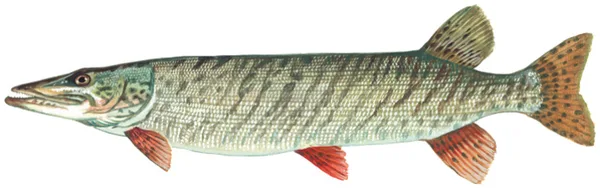
The muskellunge is Indiana’s ultimate trophy freshwater fish. Known as “the fish of 10,000 casts,” muskies demand more patience, heavier tackle, and longer hours on the water than any other species in the state. Indiana is not traditionally known as a muskie destination, but the waters that do hold muskellunge offer a legitimate shot at a fish of a lifetime for anglers willing to put in the time.
Where to Find Muskellunge
Indiana’s muskie fishery is limited and depends heavily on stocking efforts by the Indiana DNR. The primary waters include:
- Webster Lake (Kosciusko County) — The crown jewel of Indiana muskie fishing. This 787-acre natural lake produced the current state record of 36 lbs 4 oz in 2000 and continues to receive regular muskie stockings. Webster’s abundant weed growth, diverse structure, and strong forage base make it the most realistic option for a trophy Indiana muskie.
- Tippecanoe River — The upper and middle sections of the Tippecanoe receive periodic muskie stockings. River muskies present a different challenge than lake fish, relating to current breaks, logjams, and deeper pools. Float trips covering long stretches of river are the most effective approach.
- Select other waters — The DNR has experimented with muskie stockings in additional lakes over the years. Check the most recent Indiana DNR stocking reports and fishing forecasts for current information on which waters are receiving fish.
Tiger muskellunge (a hybrid of muskellunge and northern pike) have also been stocked in some Indiana waters. Tigers are generally considered more aggressive and easier to catch than purebred muskies, though they do not reproduce naturally.
Seasonal Patterns
Spring (May-June): Muskies spawn in April and early May when water temperatures reach the upper 40s to low 50s. Post-spawn fish are lethargic for several weeks, making late May through June a transitional period. Smaller presentations and slower retrieves work best during recovery. Fish shallow bays with emerging weed growth.
Summer (July-August): Muskies settle into predictable patterns along deep weed edges, main lake points, and rock structure in 10 to 20 feet of water. Early morning and evening topwater bites can be spectacular. Midday fishing shifts to deeper presentations with bucktails and jerkbaits along structure transitions.
Fall (October-November): This is the season. Cooling water temperatures trigger an aggressive feeding response as muskies prepare for winter. Fish move shallower, follow lures more willingly, and strike with authority. Large lures — 10- to 14-inch bulldawgs, magnum jerkbaits, and oversized bucktails — are the standard. The biggest fish of the year are almost always caught during this window.
Winter (December-February): While muskies can be caught through the ice on tip-ups with large suckers, most Indiana muskie anglers consider the season effectively over by December. The fish are still present but dramatically less active.
Tackle and Techniques
Muskie fishing requires purpose-built equipment. A heavy action rod in the 8- to 9-foot range paired with a high-capacity baitcasting reel is standard. Spool with 80- to 100-pound braided line and always use a heavy fluorocarbon leader (100-pound) or wire leader. Muskies have powerful jaws lined with hundreds of teeth — light tackle has no place in this pursuit.
Bucktails are the workhorse lure for Indiana muskie anglers. Double-bladed inline spinners in sizes 8 through 12 cover water efficiently and trigger reaction strikes. Retrieve at a steady, fast pace to keep blades turning and create maximum flash.
Jerkbaits and glide baits excel in fall when muskies want a larger profile moving through the water column. Work these with a rhythmic pull-pause cadence, varying speed and pause length until you find what triggers follows into strikes.
Live bait with large suckers (10 to 14 inches) fished under a large bobber or on a quick-strike rig is the most reliable method for putting a muskie in the net, particularly during tough conditions or cold-water periods.
The Figure-Eight
One of the most critical muskie techniques is the figure-eight (or L-turn) at boatside. Muskies frequently follow lures to the boat without striking. At the end of every cast, plunge your rod tip into the water and sweep the lure in a wide figure-eight pattern beside the boat. A significant percentage of muskie strikes happen during this maneuver. Never lift a lure out of the water without completing at least one full figure-eight.
Catch and Release
With a daily bag limit of one fish and a 36-inch minimum, catch and release is the ethical standard in muskie fishing. Use a large, rubberized landing net. Never use a gaff or lip-grip device. Keep the fish in the water as much as possible, use heavy-duty pliers to remove hooks, and support the fish horizontally for quick photos. Muskies are slow-growing, long-lived fish — a 40-inch specimen may be 15 years old or more. Releasing these fish ensures the future of Indiana’s limited muskie fishery.