Walleye Fishing in Indiana
The walleye is one of Indiana’s most prized game fish, pursued for both its challenging fight and its reputation as one of the best-eating freshwater fish in North America. Indiana’s walleye fishery is sustained primarily through the DNR’s stocking program, which plants hundreds of thousands of walleye fry and fingerlings into state reservoirs each year. The current state record is a 14-pound, 4-ounce fish — a mark shared as a tie between the Kankakee River (1974) and the Tippecanoe River (1977) — and Brookville Lake remains one of the state’s flagship walleye destinations.
Identification
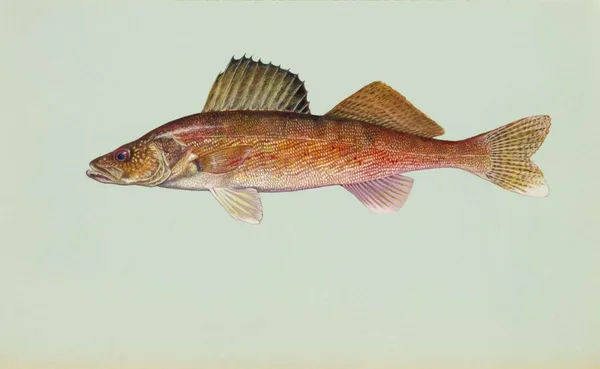
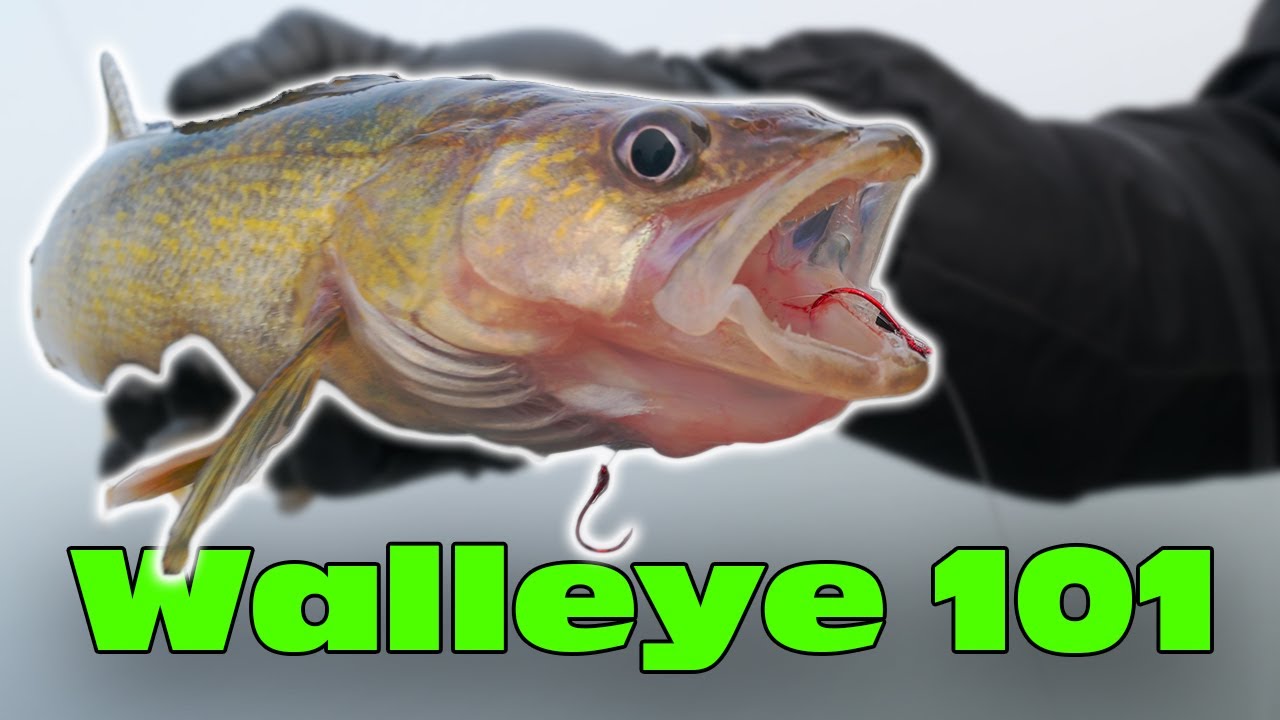
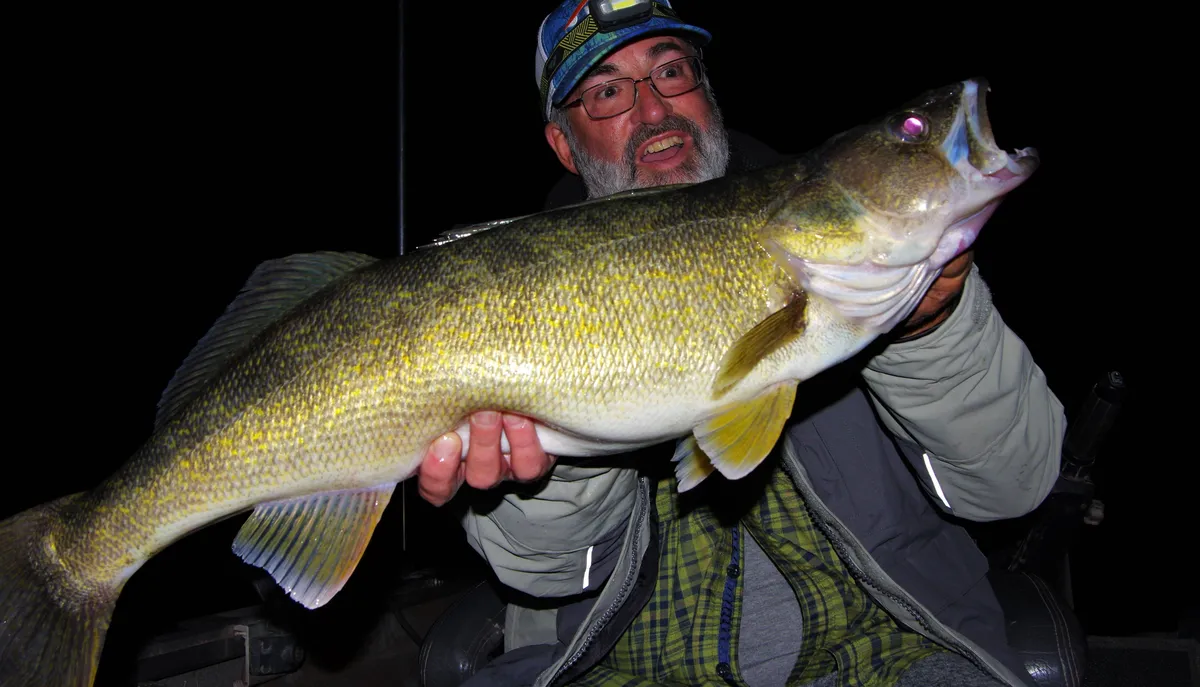
Walleye are named for their large, reflective eyes, which contain a layer of pigment (tapetum lucidum) that gathers light and gives them superior low-light vision. This eye structure gives the eye a glassy, opaque appearance. Walleye have an olive-gold body with darker saddle markings across the back, a white-tipped lower lobe on the tail fin, and a spiny dorsal fin with a dark blotch at its base. They have prominent canine teeth. Walleye are sometimes confused with sauger (which lack the white tail tip and have distinct dark spots on the dorsal fin) or saugeye (the hybrid between walleye and sauger).
Where to Find Walleye
Brookville Lake (Franklin and Union counties) is Indiana’s premier walleye fishery. The DNR stocks walleye here consistently, and the lake’s cold, clear water and rocky structure provide excellent habitat. Spring trolling near the dam and along main-lake points is the primary approach.
Monroe Lake (Monroe County) is Indiana’s largest inland lake and receives regular walleye stockings. The expansive flats and creek channel structure hold walleye throughout the year.
Mississinewa Lake (Miami and Wabash counties) has developed into a strong walleye fishery thanks to consistent stocking. Its stained water and abundant forage produce fast-growing fish.
Salamonie Lake (Huntington and Wabash counties) and the Freeman/Shafer lakes on the Tippecanoe River system also receive walleye stockings and produce quality fish.
The Tippecanoe River below Oakdale Dam supports a natural-reproducing walleye population, one of the few river-run populations in the state. The Ohio River holds walleye as well, particularly in the tailwaters below dams.
Lake Michigan off the Indiana shoreline offers walleye opportunities, though yellow perch and steelhead draw more attention. Walleye are encountered by trollers working the southern basin.
Seasonal Patterns
Spring (March-May): The most productive period for Indiana walleye. As water temperatures reach 45 to 55 degrees, walleye move to rocky points, riprap, and shallow gravel areas for their spawning run. The pre-spawn and post-spawn periods produce the most aggressive feeding. Jigs tipped with minnows or nightcrawlers, worked slowly along rocky shorelines and points, are the primary spring tactic. Casting jerkbaits over shallow flats is also effective.
Summer (June-August): Walleye retreat to deeper, cooler water. They hold along main-lake structure — humps, points, and channel edges in 15 to 30 feet of water. Trolling crankbaits and spinner rigs (worm harnesses) along these deeper contours is the standard summer approach. Low-light periods (dawn, dusk, and overcast days) concentrate feeding activity.
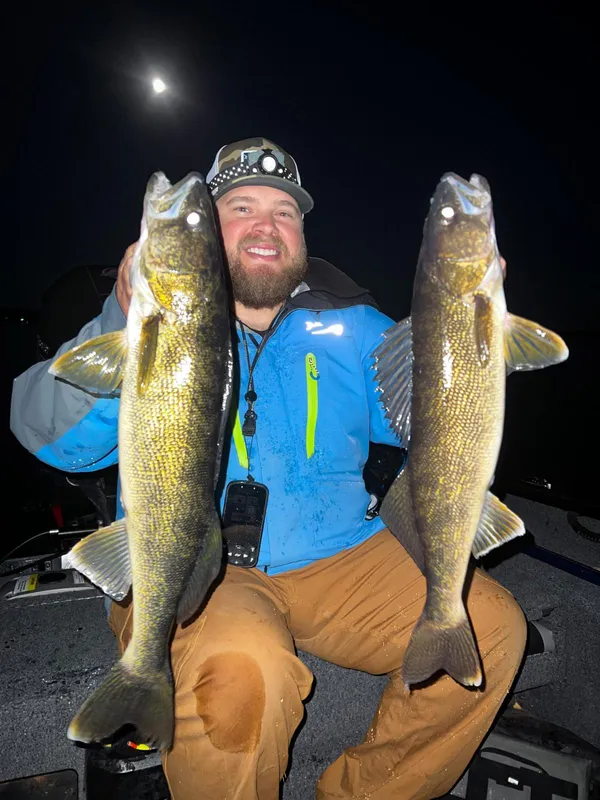
Fall (October-November): The second-best period. Walleye move shallower and feed aggressively as water temperatures drop through the 50s. They follow baitfish schools along main-lake structure and into tributary arms. Casting blade baits, jigging spoons, and trolling crankbaits all produce well. Night fishing with jerkbaits over shallow flats can be outstanding in October.
Winter (December-February): Walleye become lethargic but remain catchable. Blade baits and jigging spoons worked vertically in deep water (25 to 40 feet) near main-lake structure are the primary winter techniques. Slow, subtle presentations are critical.
Tactics and Rigging
Jig and minnow/crawler: The bread-and-butter walleye presentation. A 1/8 to 3/8-ounce jig head (match weight to depth and current) tipped with a live minnow or half a nightcrawler. Drag or swim the jig slowly along the bottom, maintaining contact with the substrate. This is the top spring tactic in Indiana.
Trolling crankbaits: Effective at Brookville and Monroe when fish are scattered along deeper structure. Medium-diving crankbaits (Rapala Shad Rap, Berkley Flicker Shad) in natural baitfish patterns trolled at 1.5 to 2.5 mph cover water efficiently and trigger reaction strikes.
Blade baits: Heddon Sonar, Silver Buddy, and similar metal blade baits are devastatingly effective in cold water. Vertically jig them with short, sharp snaps near the bottom in 20 to 35-foot depths during fall and winter.
Spinner rigs: A Colorado or Indiana-blade spinner harness trailing a nightcrawler, trolled slowly (0.8 to 1.5 mph) along bottom contours, is a proven summer pattern at Indiana reservoirs.
Use a 6.5 to 7-foot medium-light to medium spinning rod with 6 to 10-pound fluorocarbon or 10 to 15-pound braided line with a fluorocarbon leader. Walleye have excellent eyesight in clear water, and lighter line translates directly to more bites.
Where to Fish
- Best Walleye Lakes in Indiana — Top destinations with depth maps, techniques, and local resources
- Indiana Fishing Regulations 2026 — Current bag limits, size limits, and season dates
- Find a Licensed Guide — DNR-licensed guides who specialize in this species
- Bait & Tackle Shops — Local shops near your fishing destination
- Explore All Lakes — 250+ Indiana lakes with depth maps and species lists