Northern Pike Fishing in Indiana
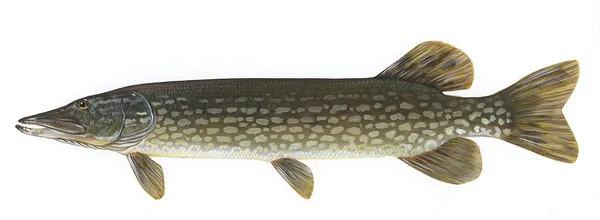
Northern pike are one of the most exciting freshwater predators available to Indiana anglers. While their range in the state is limited primarily to the natural lake belts of northern Indiana, the fisheries that exist can produce aggressive strikes and memorable fights. Pike are ambush predators that attack with explosive speed, making them a favorite target for anglers who enjoy reaction-style fishing with hardware and live bait.
Where to Find Northern Pike
Indiana’s pike population is concentrated in the glacial lakes of the northeastern and north-central parts of the state. The best fisheries include:
- Barbee Chain of Lakes (Kosciusko County) — A consistent producer of pike in the 24- to 32-inch range. The connected lakes provide ample weed cover and forage.
- Webster Lake (Kosciusko County) — Known for both pike and muskellunge, Webster offers good structure and vegetation that holds pike year-round.
- Tippecanoe Chain (Kosciusko County) — Big and Little Tippecanoe lakes support a self-sustaining pike population with decent size potential.
- Steuben County lakes — Lake James, Snow Lake, and several smaller lakes hold natural pike populations. Lake James is particularly productive due to its size and diverse habitat.
- LaGrange and Noble County lakes — Dallas Lake, Witmer Lake, and several others in the natural lake belt support pike, though population densities vary by year.
Pike favor weedy bays, submerged vegetation edges, creek channels, and areas where deeper water transitions to shallow flats. In natural lakes, look for cabbage weed beds, coontail, and milfoil lines — pike use these as ambush cover throughout the open-water season.
Seasonal Patterns
Spring (March-April): This is the prime window. Pike spawn shortly after ice-out when water temperatures hit the low-to-mid 40s. They move into shallow, marshy bays with soft bottoms and emergent vegetation. Post-spawn pike remain shallow and feed aggressively for several weeks, making them vulnerable to spinnerbaits, jerkbaits, and large shiners fished under a bobber.
Summer (June-August): Pike relate to deeper weed edges and transition zones as surface temperatures climb. They become less active during midday heat. Early morning and late evening bites are best. Focus on the deep edges of weed beds in 8 to 15 feet of water using spoons, swimbaits, or trolled crankbaits.
Fall (October-November): A strong secondary feeding period as pike bulk up for winter. Fish move back toward shallower structure and become increasingly aggressive. Large spinnerbaits, jerkbaits, and dead-bait rigs fished over weed flats produce well. This is often the best window for a trophy-class fish.
Winter (December-February): Pike are a popular ice fishing target in northern Indiana. Tip-ups baited with large shiners or suckers set near weed edges and drop-offs are the standard approach. Pike remain active under the ice and will feed throughout the day.
Tackle and Techniques
A medium-heavy to heavy action rod in the 7-foot range paired with a baitcasting reel spooled with 30- to 50-pound braid is the standard pike setup. Always use a leader — either 30- to 40-pound fluorocarbon or a short wire trace. Pike teeth will sever unprotected line instantly.
For artificial lures, spinnerbaits in the half-ounce to one-ounce range are hard to beat in spring and fall. White, chartreuse, and fire tiger patterns are proven colors. Jerkbaits like the Rapala Husky Jerk and X-Rap produce reaction strikes from pike holding along weed edges. In deeper water, heavy spoons and soft plastic swimbaits on weighted jig heads cover water efficiently.
Live bait remains the highest-percentage approach for many Indiana pike anglers. A large golden shiner or sucker minnow fished under a slip bobber near weed cover is deadly during the spring and fall feeding periods.
Handling and Release
Pike are a manageable catch-and-release species with proper handling. Use long-nose pliers or a jaw spreader to safely remove hooks, as pike have multiple rows of sharp teeth. Support the fish horizontally when lifting for photos and minimize time out of water. Pike over 30 inches are slow-growing and increasingly rare in Indiana — releasing larger fish helps sustain these limited northern lake populations.