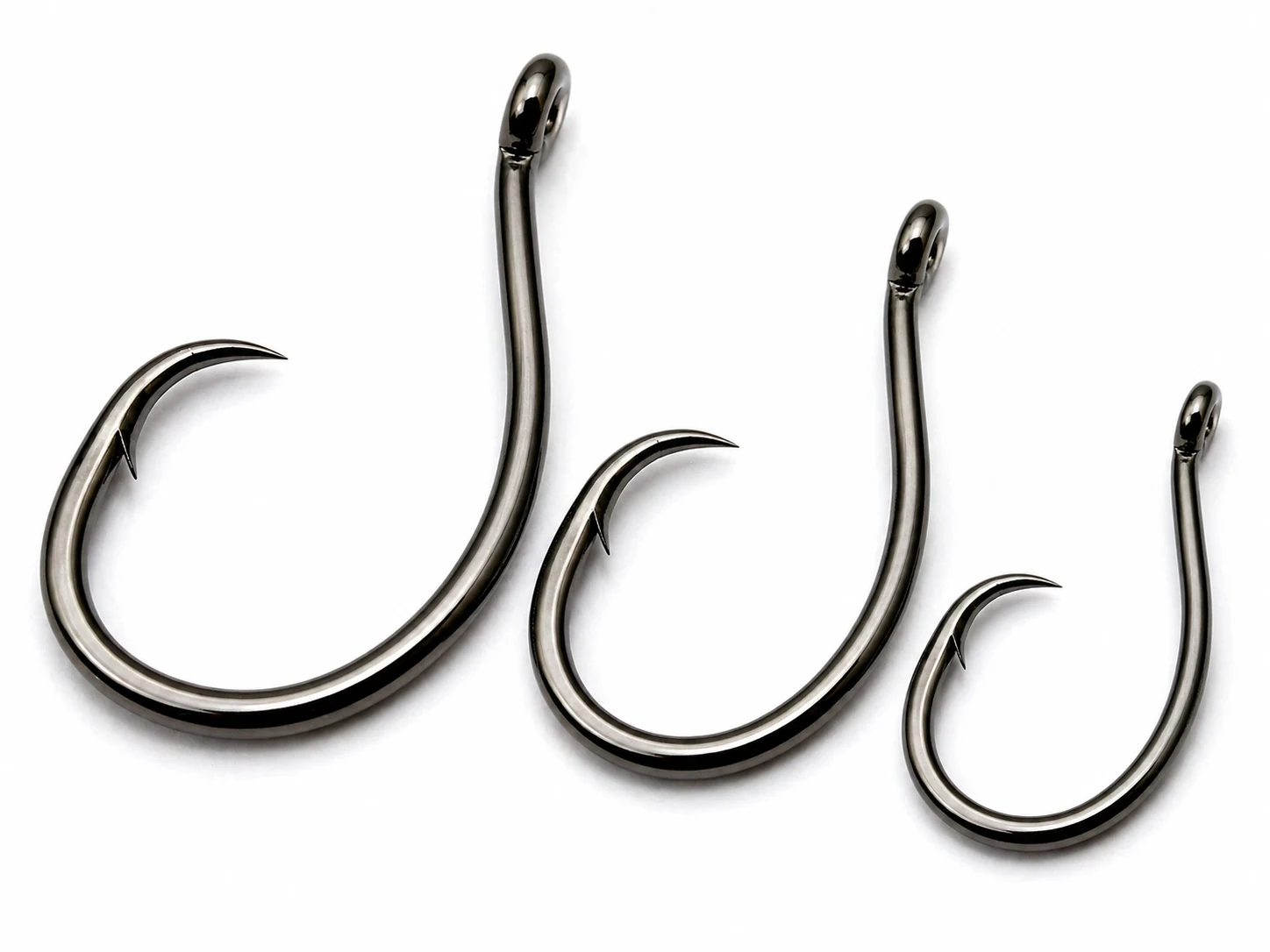
What Is a Circle Hook?
A circle hook has a curved, inward-pointing tip that rotates in the corner of a fish’s mouth as the line tightens. The point is offset 90° relative to the shank, so when the fish moves away with the bait and the line comes tight, the hook turns and embeds itself in the corner of the jaw — without requiring a hookset from the angler.
Circle hooks have largely replaced traditional J-hooks for live-bait and bait-soaking presentations on big-fish species like catfish, salmon, stripers, and billfish. They hook fish more reliably and they almost never gut-hook fish, which makes catch-and-release dramatically more survivable.
When and Where to Use Circle Hooks
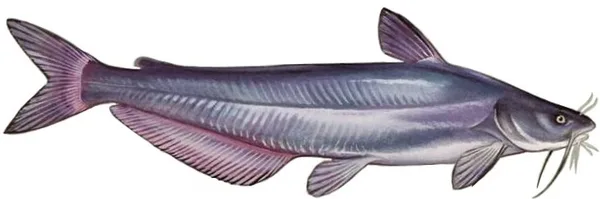
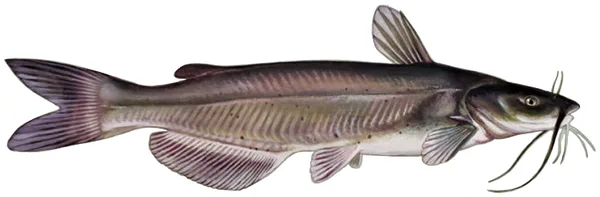
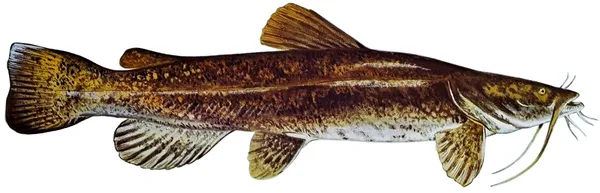
Catfishing. The universal application — channel cat, blue cat, and flathead anglers all use circle hooks for both stationary bait-soaking and drift-fishing presentations.
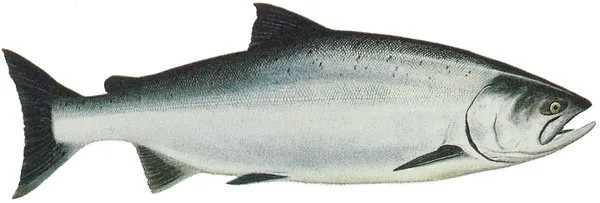
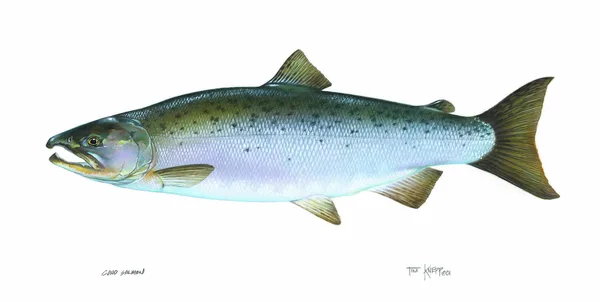
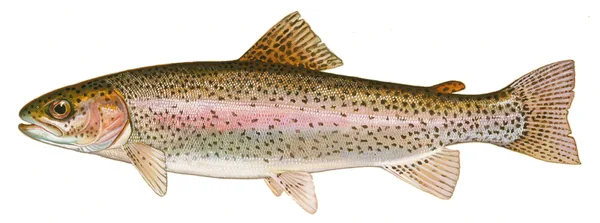
Salmon and steelhead on cured roe, eggs, or live bait. The circle hook seats reliably in the jaw without ripping bait off on the strike.
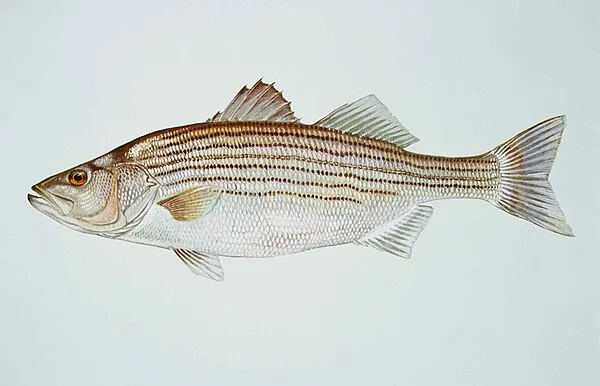
Striped bass on live bait. Live alewife, herring, or shad fished on a circle hook produces consistent corner-jaw hookups.
Catch-and-release fisheries where regulation or ethics demand minimum mortality. Many states now require non-offset circle hooks for striped bass and red drum specifically.
How to Use a Circle Hook
The rule: do not set the hook. When you feel weight or see the rod load up, simply reel down tight and lift the rod steadily. Keep the line tight as the fish moves — the hook does the work.
A common mistake is setting the hook reflexively, which actually pulls the hook out before it can rotate into position. Train yourself to reel-and-lift, not snap-set.
Hook Selection
Non-offset (inline) circle hooks are required by many state regulations and are the right choice for any catch-and-release situation. The point lines up with the shank.
Offset circle hooks have the point slightly bent off-axis. They hook fish more aggressively but with higher gut-hook rates. Avoid these for catch-and-release.
Sizes:
- Channel catfish: 4/0 to 6/0
- Blue catfish: 6/0 to 10/0
- Flathead catfish: 8/0 to 12/0
- Salmon and steelhead: 1/0 to 4/0
- Striped bass on live bait: 5/0 to 7/0
Tackle Considerations
Pair circle hooks with rods that have a moderate tip rather than a fast tip — the moderate action loads up gradually as the fish moves, which lets the circle hook rotate and seat properly. Fast-tip rods snap-set the hook reflexively and reduce circle-hook efficiency.