
What Is a Swim Jig?
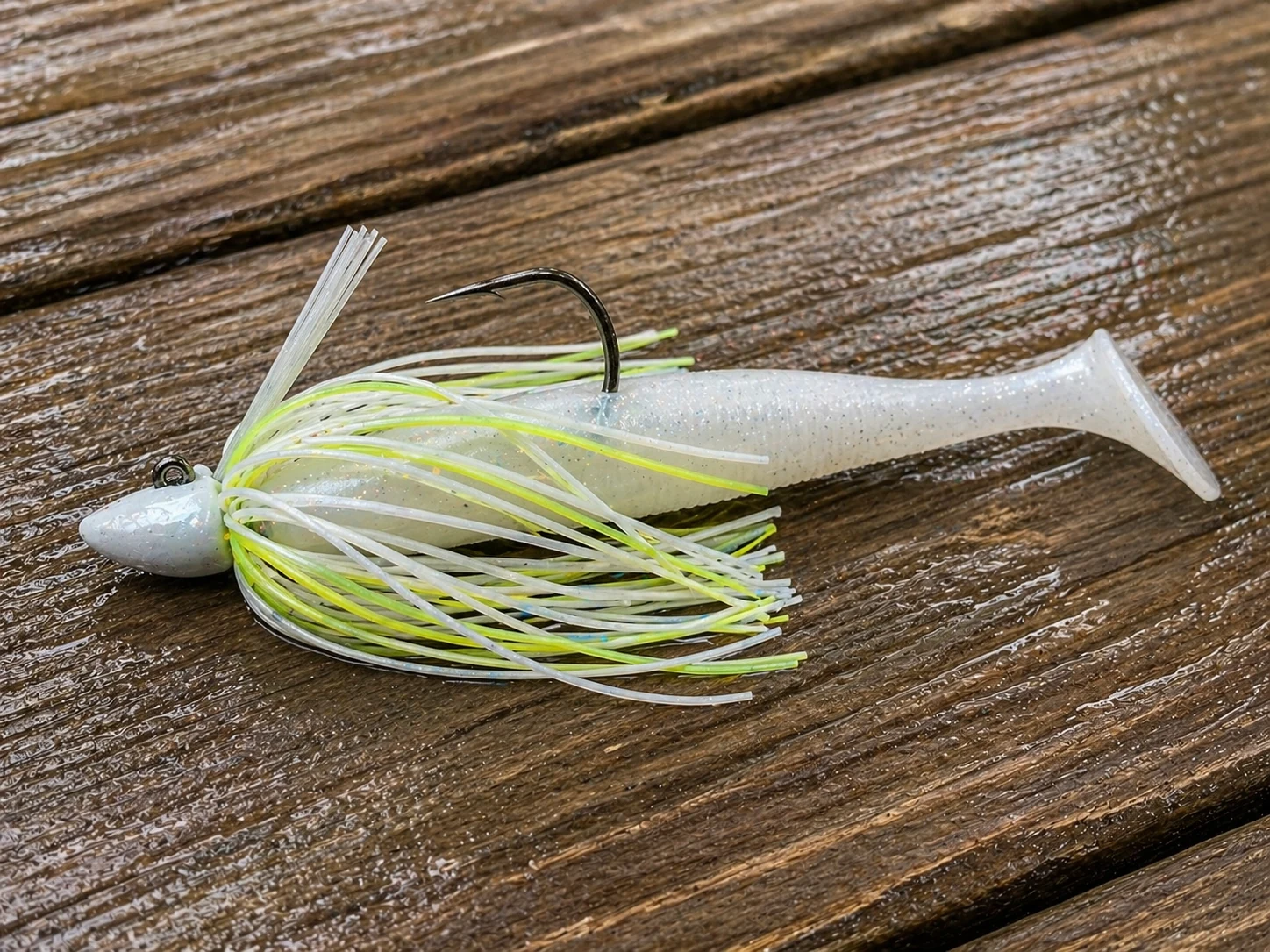
A swim jig is a bass jig with a smooth, streamlined, bullet-shaped head and a single fixed hook designed to be retrieved at a constant or near-constant speed. Unlike flipping or football jigs (built for stationary or hop-and-drag presentations), swim jigs are pure swimbait imitations — they replace a bladed lure when you want the same retrieval style with a more subtle profile.
They’re the bass-fishing answer to “I need to cover water, but a chatterbait is too loud.”
When and Where to Throw a Swim Jig
Sparse grass flats in 2-6 feet, especially during pre-spawn and post-spawn. Cast and steady-retrieve over the grass tops; bass below ambush the bait.
Wood-laden cover — laydowns, stumps, brush piles. The single fixed hook is more weedless than a treble-hooked crankbait or chatterbait.
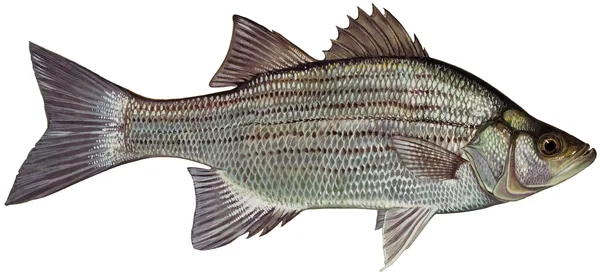
Open-water schooling fish. White bass, hybrid stripers, and feeding largemouth schooling on shad will eat a swim jig with a paddle-tail trailer fired through the chaos.
Spawning bays in spring. Swim jigs cover water and find active bass faster than flipping a single laydown.
How to Work a Swim Jig
Steady retrieve is the default. Match the speed to water temperature: faster in 70°F+ water, slower in 50-65°F water. The jig should swim 6-18 inches below the surface depending on retrieve speed and weight.
Pump-and-pause. Steady-retrieve with intermittent rod-tip lifts to make the jig hop and dart. Mimics a wounded baitfish.
Yo-yo retrieve. Lift-drop, lift-drop. Effective when bass are suspended over deeper grass or staging on the edge of cover.
Color Selection
White, white-and-chartreuse, and bluegill-pattern colors handle most clear-water situations. Black-blue and junebug for stained water. Match the dominant baitfish — shad-pattern in shad-driven systems, bluegill-pattern in bluegill-heavy ponds and lakes.
Tackle
A 7’ to 7’4” medium-heavy fast-action baitcasting rod, 17-20 lb fluorocarbon, and a 7:1+ baitcasting reel. The faster reel ratio matters because you may need to burn the bait to trigger reaction strikes from following fish.