How to Clean and Cook Indiana Fish
March 19, 2026

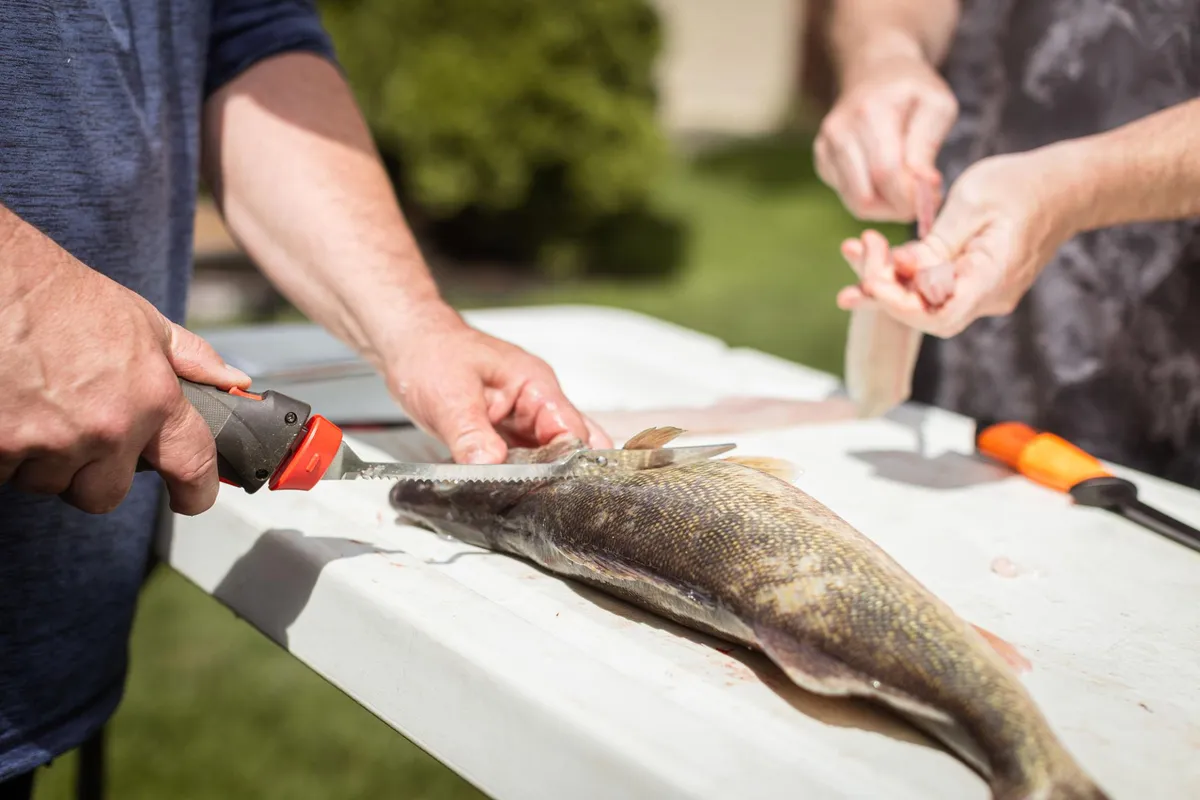
Catching fish is half the fun. Eating them is the other half. Indiana’s lakes and rivers produce outstanding table fare — from delicate panfish fillets to thick catfish steaks — but getting from the water to the plate requires some basic skills that every angler should know.
This guide covers everything: how to fillet the most common Indiana species, which fish taste the best, simple recipes that let the fish shine, and the food safety practices that keep your family healthy. Whether you just caught your first bluegill or you are staring down a 15-pound flathead catfish, this guide will get you from catch to kitchen.
What You Need
Before you clean your first fish, gather these essentials:
Tools:
- Fillet knife — A flexible 6-8 inch blade is the most important tool. Keep it sharp. A dull knife is dangerous and makes a mess of fillets. Dexter-Russell and Rapala make excellent affordable fillet knives.
- Electric fillet knife — Not essential but highly recommended if you clean a lot of panfish. An electric knife cuts through small bluegill and crappie fillets in seconds. Worth every penny of the $30-50 investment.
- Cutting board — A large, non-slip cutting board. Some anglers use a dedicated fish-cleaning board that clamps to a table or tailgate.
- Pliers or skinning tool — Essential for catfish. You will use pliers to grip and peel the skin.
- Bucket of clean water — For rinsing fillets.
- Zip-lock bags or vacuum sealer — For storage.
- Cooler with ice — Keep fish cold from the moment you catch them.
Workspace: Clean fish outdoors if possible. A table at a comfortable working height with a garden hose nearby is ideal. Many Indiana boat ramps and campgrounds have fish-cleaning stations — use them when available.
Filleting Basics: The Standard Roundfish Method
This basic technique works for bass, walleye, catfish (after skinning), and most other Indiana species. Master this and you can clean almost anything.
Step 1: Position the fish. Lay the fish on its side on the cutting board. Hold the head firmly with your non-cutting hand.
Step 2: Cut behind the head. Make a diagonal cut just behind the gill plate, angling the blade toward the head, and cut down until you feel the backbone. Do not cut through the backbone.
Step 3: Turn the blade. Once you hit the backbone, turn the blade so it is parallel to the backbone, pointing toward the tail.
Step 4: Slice along the backbone. Run the blade along the backbone from head to tail in a smooth, steady stroke. Use the backbone as a guide — you should feel the blade riding along the ribs and vertebrae. Cut all the way to the tail and remove the fillet.
Step 5: Remove the rib cage. Lay the fillet skin-side down. Slide the blade under the rib bones and cut them away from the fillet in a curved motion. This takes practice — you will lose some meat at first, and that is fine.
Step 6: Remove the skin (optional). Lay the fillet skin-side down. Starting at the tail end, slide the blade between the meat and the skin at a slight downward angle. Hold the skin firmly and push the blade forward while pulling the skin back. The fillet should separate cleanly.
Step 7: Repeat on the other side. Flip the fish over and repeat the process.
Step 8: Rinse and inspect. Rinse the fillets in cold water. Check for any remaining bones by running your fingertip across the fillet. Remove stray bones with needle-nose pliers or tweezers.
Species-Specific Cleaning Techniques
Bluegill and Panfish
Bluegill are Indiana’s most commonly kept fish, and cleaning a pile of them is a rite of passage for Hoosier anglers. The fillets are small — a 7-inch bluegill yields two fillets roughly the size of your thumb — so efficiency matters.
Method 1: Scale and gut (whole). For cooking whole, scale the fish by scraping from tail to head with a spoon or scaling tool. Cut the belly open and remove the guts. Rinse thoroughly. Cook whole — pan fried, the crispy skin and tender meat are delicious.
Method 2: Fillet. Use the standard method above but skip removing the rib cage on small panfish — the ribs are so thin they are barely noticeable after cooking. An electric fillet knife is a game-changer for panfish. You can clean 30 bluegill in 20 minutes once you have the rhythm.
Yield: Plan on 8-10 bluegill per person for a meal. Keep only fish large enough to fillet cleanly — 7 inches is a reasonable minimum.
For the best bluegill fishing in Indiana, see our bluegill and panfish lake guide.
Crappie
Crappie fillet slightly larger than bluegill, making them easier to work with. The meat is white, flaky, and mild — among the best eating fish in Indiana.
Method: Standard fillet method. Crappie have a softer body than bluegill, so use a sharp knife and gentle pressure. Remove the rib cage — crappie ribs are more noticeable than bluegill ribs in the cooked fillet.
Yield: A 10-inch crappie yields two generous fillets. Plan on 4-6 crappie per person.
Tip: Crappie fillets are delicate and fall apart easily when overcooked. Cook them quickly at high heat (frying) or gently (baking with butter).
Find the best crappie waters in our crappie lake guide.
Channel Catfish
Channel catfish are one of Indiana’s best table fish — the firm, white meat has a slightly sweet, rich flavor that fries up beautifully. But catfish have skin, not scales, and you need to remove the skin before cooking.
Step 1: Secure the fish. Catfish are slippery. Some anglers nail the head to a board or use a catfish skinning clamp. At minimum, use a towel or gloves for grip. Watch the sharp pectoral and dorsal spines — they can puncture skin easily.
Step 2: Cut the skin. Make a shallow cut around the head just behind the pectoral fins, cutting through the skin only. Then make a shallow cut along the top of the back from head to tail.
Step 3: Peel the skin. Grip the skin at the head cut with pliers and pull firmly toward the tail. The skin should peel off in a sheet. Repeat on the other side.
Step 4: Fillet. With the skin removed, fillet using the standard method. Channel catfish have a clean bone structure that makes filleting straightforward.
Alternative: Steak cuts. For larger catfish (5+ pounds), you can cut crosswise steaks instead of fillets. Remove the skin first, then cut 1-inch thick steaks through the body. Steaks work great for frying or grilling.
Yield: A 3-pound channel catfish yields 1 to 1.5 pounds of meat. Plan on 1-2 pounds of catfish per person for a fish fry.
For catfish fishing locations and techniques, see our catfish fishing guide.
Largemouth and Smallmouth Bass
Bass are perfectly edible fish, though many Indiana anglers practice catch and release — especially for largemouth bass in lakes and smallmouth bass in rivers. If you choose to keep bass (within legal limits), they make fine table fare.
Method: Standard fillet method. Remove the skin — bass skin can have a muddy or weedy taste, especially largemouth from warm, shallow lakes. The meat is white and firm with a mild flavor.
Tip: Bass from cold, clear water (reservoirs, rivers) taste significantly better than bass from warm, shallow farm ponds. If you are going to keep bass for eating, target fish from cleaner water.
Yield: A 2-pound bass yields roughly 8-10 ounces of fillets.
Walleye — Indiana’s Best Eating Fish
Walleye are widely considered the finest eating freshwater fish in North America, and Indiana anglers fortunate enough to catch them should absolutely keep a few for the table.
Method: Standard fillet method. Walleye have a clean bone structure and fillet beautifully. Remove the skin — the white, boneless fillets need no further trimming. Walleye also have a small Y-bone section near the front of the fillet that you can remove by making a V-cut along both sides of the lateral line in the front third of the fillet.
The cheeks: Do not throw away the head. Walleye cheeks — the round, quarter-sized pieces of meat on each side of the head — are considered a delicacy. Pop them out with a spoon or knife tip. They taste like the best scallop you have ever had.
Yield: A 20-inch walleye yields two generous fillets plus two cheeks. Plan on 1-2 walleye per person.
Trout
Rainbow trout and brown trout stocked in Indiana streams and lakes are excellent eating fish with pink-to-white flesh and a mild flavor.
Method 1: Whole (gutted). Trout are outstanding cooked whole. Simply gut the fish — cut from the vent to the jaw, remove the innards, and rinse. Scrape out the dark bloodline along the backbone. Cook whole on the grill, in a pan, or baked in foil.
Method 2: Fillet. Standard fillet method works, but trout have pin bones — a line of small bones running through the center of the fillet. Feel for them with your fingertip and pull them out individually with needle-nose pliers or tweezers. There are usually 15-20 pin bones per side.
Yield: A 12-inch stocked trout yields two small fillets or one whole fish serving.
Best Tasting Indiana Fish — Ranked
Not all fish taste the same. Here is an honest ranking of Indiana’s most commonly caught species by table quality:
| Rank | Species | Flavor Profile | Best Cooking Method |
|---|---|---|---|
| 1 | Walleye | Mild, sweet, firm white meat | Pan fried, baked, any method |
| 2 | Crappie | Delicate, mild, flaky white meat | Fried, baked with butter |
| 3 | Bluegill | Sweet, slightly nutty, firm | Fried whole or filleted |
| 4 | Channel catfish | Rich, slightly sweet, firm | Fried in cornmeal, blackened |
| 5 | Yellow perch | Mild, sweet, similar to walleye | Fried, baked |
| 6 | Trout | Mild, slightly earthy, pink flesh | Baked whole, grilled, pan fried |
| 7 | Smallmouth bass | Clean, mild, white meat | Fried, baked |
| 8 | Largemouth bass | Mild to slightly muddy (depends on water) | Fried — remove skin |
| 9 | Freshwater drum | Firm, mild, sometimes strong | Fried — best fresh, not frozen |
| 10 | Carp | Firm, mild, many bones | Smoked, deep fried, scored |
The honest truth: Walleye, crappie, and bluegill are in a class by themselves. If you are introducing someone to eating freshwater fish, start with one of those three. Channel catfish is the best value — easy to catch, generous fillets, and an iconic flavor when fried in cornmeal.
Simple Recipes
Classic Indiana Fish Fry
This is the standard Hoosier fish fry that has been served at church basements, campgrounds, and kitchen tables across Indiana for generations. It works with any white-fleshed fish — panfish, catfish, walleye, or bass.
Ingredients:
- 2 lbs fish fillets, patted dry
- 1 cup yellow cornmeal
- 1/2 cup all-purpose flour
- 1 tsp salt
- 1/2 tsp black pepper
- 1/2 tsp garlic powder
- 1/4 tsp cayenne pepper (optional)
- Vegetable oil or peanut oil for frying
- Lemon wedges and tartar sauce for serving
Instructions:
- Mix cornmeal, flour, salt, pepper, garlic powder, and cayenne in a shallow dish.
- Heat 1/2 inch of oil in a cast iron skillet to 350-375°F. Use a thermometer — temperature matters.
- Dredge fillets in the cornmeal mixture, pressing to coat both sides.
- Fry fillets in batches — do not crowd the pan. Cook 3-4 minutes per side for thin panfish fillets, 4-5 minutes per side for thicker catfish or walleye fillets. Fish is done when the coating is golden brown and the meat flakes easily.
- Drain on paper towels or a wire rack. Season with a pinch of salt immediately.
- Serve with lemon wedges, tartar sauce, coleslaw, and hush puppies.
Pro tip: For extra-crispy catfish, soak the fillets in buttermilk for 30 minutes before dredging. The buttermilk tenderizes the meat and helps the cornmeal coating stick.
Baked Walleye with Butter and Lemon
When you have walleye, keep it simple. The fish is so good it does not need much help.
Ingredients:
- 4 walleye fillets
- 3 tbsp butter, melted
- Juice of 1 lemon
- 2 cloves garlic, minced
- Salt and pepper
- Fresh parsley or dill (optional)
Instructions:
- Preheat oven to 400°F. Line a baking sheet with foil and lightly grease it.
- Place fillets skin-side down on the baking sheet.
- Mix melted butter, lemon juice, and garlic. Spoon over the fillets.
- Season with salt and pepper.
- Bake 12-15 minutes until the fish flakes easily with a fork. Do not overcook — walleye dries out fast.
- Garnish with fresh parsley or dill. Serve with rice and steamed vegetables.
Blackened Catfish
Channel catfish has enough flavor and firmness to stand up to bold seasoning. Blackened catfish is a step up from the standard fish fry and takes about 10 minutes.
Ingredients:
- 4 catfish fillets (6-8 oz each)
- 2 tbsp paprika
- 1 tsp garlic powder
- 1 tsp onion powder
- 1/2 tsp cayenne pepper
- 1/2 tsp black pepper
- 1/2 tsp dried thyme
- 1/2 tsp dried oregano
- 1/2 tsp salt
- 3 tbsp butter
Instructions:
- Mix all dry seasonings in a bowl. Pat catfish fillets dry and coat both sides generously with the seasoning mix.
- Heat a cast iron skillet on high heat until it begins to smoke lightly. This is important — the pan must be very hot.
- Add butter to the pan. Immediately place fillets in the pan.
- Cook 3-4 minutes per side. The seasoning will blacken and form a flavorful crust. The fish is done when it flakes easily.
- Serve with white rice, remoulade sauce, and a lemon wedge.
Note: This produces smoke. Do it outdoors on a camp stove or with excellent kitchen ventilation.
Bluegill Tacos
A modern take on Indiana’s most abundant panfish. Crispy bluegill fillets in a soft tortilla with slaw and lime is hard to beat.
Ingredients:
- 1.5 lbs bluegill fillets
- Cornmeal coating (same as fish fry recipe above)
- Oil for frying
- 8 small flour or corn tortillas
- Shredded cabbage or coleslaw mix
- Lime juice
- Sour cream or mayo
- Hot sauce
- Fresh cilantro
Instructions:
- Fry bluegill fillets using the fish fry method above. Keep fillets small — bite-sized pieces work best in tacos.
- Warm tortillas in a dry skillet or microwave.
- Toss shredded cabbage with lime juice, a pinch of salt, and a tablespoon of sour cream or mayo.
- Build tacos: tortilla, slaw, crispy bluegill, hot sauce, cilantro, squeeze of lime.
- Serve immediately while the fish is still crispy.
Food Safety: From Water to Table
Getting fish from the lake to your kitchen safely is not complicated, but it requires attention to temperature and time.
On the Water
- Keep fish alive or cold. A livewell, stringer, or wire basket keeps fish alive. Once a fish dies, get it on ice immediately. Never leave dead fish sitting in warm water or on a hot boat deck.
- Ice is essential. Bring a cooler with plenty of ice on every trip where you plan to keep fish. Bury fish in ice as soon as they come out of the water.
- Clean fish within 2 hours of catching them if possible. Sooner is better, especially in summer heat.
Processing and Storage
- Rinse fillets in cold, clean water after filleting.
- Refrigerate immediately if cooking within 24 hours. Store fillets on ice or in the coldest part of the refrigerator (below 40°F). Fresh fillets keep 1-2 days.
- Freeze for longer storage. Vacuum sealing is the best method — it prevents freezer burn and extends freezer life to 3-6 months. If you do not have a vacuum sealer, place fillets in a zip-lock bag, submerge the bag in water to push out air, and seal. This DIY method works well for 1-3 months.
- Label and date everything you freeze. First in, first out.
Cooking Safety
- Cook fish to 145°F internal temperature. The meat should be opaque and flake easily with a fork.
- Thaw frozen fish in the refrigerator overnight, not on the counter. For faster thawing, place the sealed bag in cold water.
- Never refreeze thawed fish. Cook it or discard it.
Indiana Fish Consumption Advisories
Indiana maintains fish consumption advisories for certain waters where contaminants like PCBs, mercury, or other pollutants have been detected in fish tissue. These advisories do not mean fishing is unsafe — they address how often you should eat fish from specific waters.
Key points:
- Advisories vary by water body, species, and fish size. A lake may be safe for eating bluegill but have restrictions on largemouth bass.
- Marion County urban waters (White River through Indianapolis, Eagle Creek Reservoir) generally have the most restrictive advisories.
- Larger, older predator fish (bass, catfish) accumulate more contaminants than smaller panfish. When in doubt, keep the smaller fish and release the big ones.
- Pregnant women, nursing mothers, and children under 15 should follow the most restrictive advisory level for any water they fish.
- The Indiana State Department of Health publishes an updated fish consumption advisory guide annually. Check it before eating fish from any water you have not fished before.
General safe-eating practices:
- Trim fat and skin from fillets — contaminants concentrate in fatty tissue.
- Avoid eating the organs or skin.
- Grill, bake, or broil fish so fat drips away rather than deep frying (which seals fat in).
- Eat a variety of fish from a variety of waters rather than eating the same species from the same lake repeatedly.
Tips for Better Fish Cleaning
Keep your knife sharp. This is the single most important factor. A sharp fillet knife glides through fish. A dull one tears flesh, wastes meat, and is more likely to slip and cut you. Sharpen before every cleaning session with a honing steel or ceramic rod.
Practice on panfish first. Bluegill are small, cheap, and abundant. Nobody cries over a mangled bluegill fillet. Clean 50 bluegill before you try to fillet a walleye or catfish. You will get the muscle memory and confidence.
Watch tutorial videos. Fish cleaning is a physical skill that is much easier to learn visually than from written instructions. Search for species-specific filleting tutorials — seeing the knife angle and hand position makes a huge difference.
Work on a slight downhill angle. Tilting your cutting board slightly so blood and water run away from your work area keeps things cleaner.
Dispose of carcasses properly. Do not leave fish guts at the boat ramp or on the lake shore. Bag them and dispose of them in trash, bury them in your garden (excellent fertilizer), or use them as catfish bait on your next trip.
Clean as you go. Rinse your knife, board, and hands frequently during a big cleaning session. Fish slime builds up and makes everything slippery.
Electric knives for volume. If you regularly clean 20 or more panfish at a time, an electric fillet knife pays for itself in time saved and cleaner fillets. Rapala and Bubba make reliable models in the $40-80 range.
From Hook to Plate
Cleaning and cooking your own catch is one of the most satisfying parts of fishing. There is something deeply rewarding about sitting down to a plate of golden-fried bluegill that you caught, cleaned, and cooked yourself.
Start simple. Keep a few bluegill from your next pond trip, fillet them at home, and fry them in cornmeal. Once you have the basics down, work your way up to catfish, crappie, and — if you are lucky enough to catch one — walleye.
Indiana’s waters produce outstanding eating fish. Learn to clean them properly, cook them simply, and respect the consumption advisories, and you will eat well all season long.
Frequently Asked Questions
How do you fillet a bluegill?
Use a sharp fillet knife. Cut behind the head down to the backbone, turn the blade and slice along the backbone to the tail. Flip the fillet over and slice the skin off by running the blade between the meat and skin. An electric fillet knife makes quick work of a pile of bluegill. Expect small fillets — it takes 8-10 bluegill to make a meal for one person.
What is the best tasting fish in Indiana?
Walleye is universally considered the best tasting freshwater fish in Indiana, with firm white meat and a mild, sweet flavor. Crappie and bluegill are close seconds — panfish have delicate, flaky meat that fries beautifully. Channel catfish is another excellent table fish with a slightly richer flavor that takes well to cornmeal breading and deep frying.
How long can you keep fresh fish before cooking?
Fresh fish fillets keep 1-2 days in the refrigerator when stored on ice or in the coldest part of the fridge. For longer storage, freeze immediately — vacuum-sealed fillets last 3-6 months in the freezer without significant quality loss. Whole fish on ice stay fresh slightly longer than fillets. The key is keeping fish cold from the moment you catch them.
Can you eat carp from Indiana waters?
Yes, carp are edible and eaten widely around the world. The meat is firm with a mild flavor, but carp have many small intramuscular bones (Y-bones) that make them difficult to fillet cleanly. Scoring the fillets and deep frying helps soften the bones. Many Indiana anglers prefer to smoke carp, which makes the bones soft enough to eat. Check fish consumption advisories for the specific water you caught them in.