Best Crappie Lakes in Indiana: Top 10 Ranked
April 2, 2026 · Updated April 2026
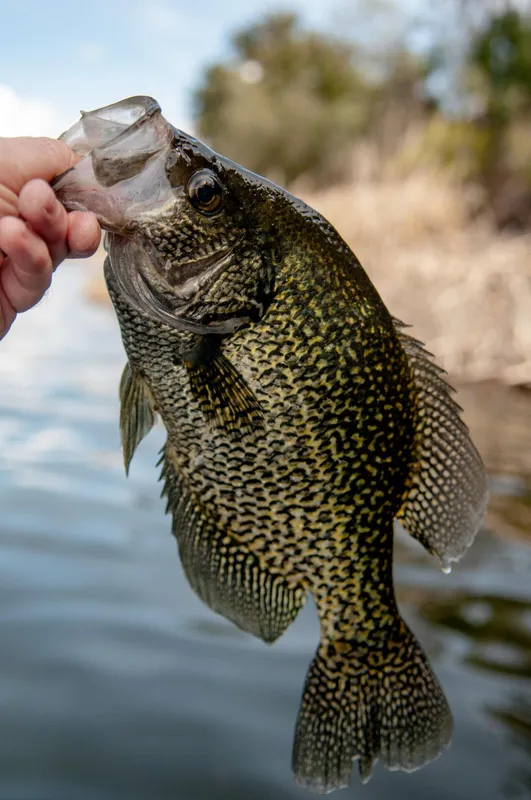
Crappie fishing is a Hoosier tradition. Every spring, thousands of Indiana anglers head to their favorite lakes to intercept crappie on their annual spawning migration from deep water to shallow brush. On a good day, a pair of anglers can fill a cooler with slab crappie that produce some of the best-eating fillets in freshwater. Here are Indiana’s 10 best crappie lakes, ranked by fishing quality and consistency.
1. Monroe Lake — Monroe County
Acreage: 10,750 | View lake page
Monroe Lake is the undisputed king of Indiana crappie fishing. The combination of enormous size, extensive standing timber and brush, excellent DNR management, and deep creek arms creates ideal crappie habitat on a massive scale.
Why it is #1: Monroe produces both numbers and size. Catching 30-50 crappie in a day during the spring spawn is realistic for experienced anglers. Fish in the 10-14 inch range are common, with occasional slabs over 15 inches. The lake’s size means you can always find unoccupied water, even on busy spring weekends.
Best areas: The Allen’s Creek arm, Hardin Ridge area, Salt Creek arm, and the standing timber along the main lake shoreline. During the spawn, crappie move into brush piles and fallen timber in 3-8 feet of water. Pre-spawn staging occurs along creek channel edges near these areas.
Best techniques: Small minnows or jigs (1/16 oz) on a slip bobber set 3-6 feet deep near brush. Spider rigging (trolling multiple rods with jigs over brush) is extremely effective on Monroe for anglers with boats. Bank anglers should target accessible brush piles near the Paynetown and Hardin Ridge recreation areas.
Best time: Mid-April through mid-May for the spawn. October-November for the fall crappie push.
Access: Paynetown State Recreation Area (west side) and Hardin Ridge Recreation Area (south side) both offer boat ramps, piers, and facilities.
2. Patoka Lake — Dubois and Orange Counties
Acreage: 8,800 | View lake page
Patoka Lake is Monroe’s closest rival for crappie excellence. The lake’s extensive timber — much of it still standing from before the reservoir was filled — creates exceptional crappie habitat.
Why it is #2: Patoka produces consistent crappie fishing year after year. The upper end of the lake where tributaries enter warms first in spring, creating a reliable early-season crappie bite that starts 1-2 weeks before the main lake.
Best areas: The upper lake near Lick Creek and Jackson Creek inflows. Mid-lake timber lines along the old creek channels. The standing timber near Newton Stewart State Recreation Area.
Best techniques: Minnows and jigs near standing timber. Casting small jigs along the edges of brush piles. Trolling jigs through the timber (carefully) in pre-spawn.
Best time: Early April through early May. The upper lake warms first.
Access: Newton Stewart State Recreation Area. Multiple public ramps. See Dubois County.
3. Mississinewa Reservoir — Miami and Grant Counties
Acreage: 3,180 | View lake page
Mississinewa is one of Indiana’s most underrated crappie lakes. The reservoir consistently produces excellent spring crappie fishing with less pressure than Monroe or Patoka.
Why it is #3: Excellent crappie numbers with good average size. The upper lake arms hold concentrations of spawning crappie that are accessible from shore in several areas. Lower fishing pressure means less boat traffic spooking shallow fish.
Best areas: The upper end of the reservoir where the Mississinewa River enters. The Red Bridge area. Main lake points with brush.
Best techniques: Minnows under bobbers near brush and timber. Small jigs in white or chartreuse. Slow trolling jigs along the creek channel edges during pre-spawn.
Best time: Mid-April through mid-May.
Access: Red Bridge State Recreation Area. See Miami County.
4. Salamonie Reservoir — Huntington and Wabash Counties
Acreage: 2,665 | View lake page
Salamonie pairs well with Mississinewa (they are less than 30 minutes apart) and offers similar crappie quality. Fallen timber and brush along the shoreline concentrates crappie during the spawn.
Why it is #4: Consistent producer with good shore-fishing access. The extensive fallen timber along the south shore creates ideal crappie spawning habitat.
Best areas: Fallen timber along the south shoreline. Main lake points near the dam. The upper reservoir near the Salamonie River inflow.
Best techniques: Casting jigs into fallen timber. Minnows on long-line floats drifted past brush. Vertical jigging near brush piles from a boat.
Best time: Mid-April through mid-May.
Access: Lost Bridge West State Recreation Area. See Huntington County.
5. Summit Lake — Henry County
Acreage: 800
Summit Lake punches well above its weight for crappie. The state park lake produces some of the best crappie fishing per acre in Indiana.
Why it is #5: Summit Lake’s relatively small size concentrates crappie and makes them easier to find. The lake has extensive brush and timber that holds crappie year-round. Spring fishing from the state park fishing pier produces excellent catches.
Best areas: The fishing pier at Summit Lake State Park. Brush lines along the south and east shores. The upper lake near the inlet.
Best techniques: Minnows under a bobber from the pier. Small jigs cast along brush edges. Bank fishing is productive throughout the spring spawn.
Best time: Late April through mid-May.
Access: Summit Lake State Park. Vehicle entry fee: $7 in-state.
6. Prairie Creek Reservoir — Delaware County
Acreage: 1,252
A reliable central Indiana crappie fishery with good access. Prairie Creek holds consistent crappie numbers and offers both boat and shore fishing opportunities.
Best areas: Creek channel edges in the main lake. Brush piles near the mid-lake area. The fishing pier for shore anglers.
Best techniques: Spider rigging jigs over brush (boat anglers). Minnows under bobbers from the pier and shoreline.
Best time: Mid-April through early May.
7. Raccoon Lake (Cecil M. Harden Lake) — Parke County
Acreage: 2,060
Raccoon Lake is a solid crappie destination in west-central Indiana. The lake holds both black and white crappie with good spring spawning habitat along brush-lined shorelines.
Best areas: The creek arms in the upper lake. Brush-lined shoreline in the mid-lake area. Raccoon State Recreation Area shoreline.
Best techniques: Minnows and small jigs near brush. Trolling jigs along the creek channels.
Best time: Mid-April through mid-May.
Access: Raccoon State Recreation Area (Lieber SRA).
8. Lake Freeman — Carroll and White Counties
Acreage: 1,548
The Tippecanoe River impoundment holds good crappie populations, particularly in the mid-lake areas where timber and brush provide habitat away from the main current.
Best areas: Mid-lake coves and brush piles protected from river current. Dock areas along the developed shoreline. Standing timber in the upper lake.
Best techniques: Minnows under bobbers near docks and brush. Small jigs worked through timber.
Best time: Late April through mid-May.
9. Cagles Mill Lake — Owen and Putnam Counties
Acreage: 1,400
Central Indiana reservoir with underrated crappie fishing. Brush and timber in the creek arms hold crappie through the spring spawn.
Best areas: The main creek arms. Brush lines along the old creek channel. Lieber State Recreation Area shoreline.
Best techniques: Minnows and jigs near brush in 3-8 feet during the spawn. Deeper presentations (8-15 feet) during pre-spawn staging.
Best time: Mid-April through early May.
10. Morse Reservoir — Hamilton County
Acreage: 1,500
A northern Indianapolis suburban reservoir that produces reliable crappie fishing within easy reach of the city. Cicero Creek feed provides current and structure.
Best areas: The Cicero Creek arm. Brush and dock areas along the developed shoreline. The mid-lake area near the creek channel.
Best techniques: Casting small jigs near docks and brush. Minnows under bobbers from accessible shore areas.
Best time: Late April through mid-May.
Spring Crappie Techniques for Indiana
Reading the Spawn Timeline
Crappie spawning follows water temperature, not calendar dates. Here is the progression:
| Water Temp | Crappie Behavior | Where to Fish |
|---|---|---|
| 45-50 degrees | Deep winter holes | Creek channels, 15-25 feet |
| 50-55 degrees | Pre-spawn staging | Channel edges near brush, 8-15 feet |
| 55-60 degrees | Moving shallow | Brush and timber, 4-8 feet |
| 60-68 degrees | Active spawn | Shallow brush and timber, 2-4 feet |
| 68+ degrees | Post-spawn retreat | Moving back to channel edges |
The Slip Bobber Rig
The slip bobber rig is the most effective presentation for spring crappie in Indiana. Thread the line through a slip bobber, add a small bead and a bobber stop above it, then tie on a #4 hook or 1/16 oz jig. The bobber stop controls the depth — adjust it until you find the fish. Tip the hook with a small minnow or thread on a tube jig.
This rig lets you cast to brush without getting snagged (the bait hangs above the brush) and provides a visual strike indicator. When the bobber dips or slides sideways, set the hook.
Color Selection
For jigs and tube baits, stick with proven Indiana producers:
- White — Works everywhere, all conditions
- Chartreuse — Best in stained or muddy water
- Pink — Surprisingly effective in clear water
- Black/chartreuse — Low-light conditions and deep water
Bank Fishing vs. Boat Fishing
Bank anglers can absolutely catch spring crappie in Indiana. Focus on state recreation areas with fishing piers, accessible brush near the shoreline, and areas where the creek channel swings close to the bank. A long rod (9-10 feet) extends your reach from shore.
Boat anglers have the advantage of reaching brush piles and timber in the middle of the lake. Spider rigging — slow-trolling with 6-8 rods spread across the bow, each with a jig at a different depth — is the most efficient technique for covering water and finding crappie schools.
Planning Your Crappie Trip
Buy your Indiana fishing license before your trip. Stock up on crappie minnows and jigs at a local bait shop — staff will know what is working right now. For guided crappie trips, check our fishing guides directory or browse options on FishingBooker.
For more Indiana fishing information, see our guides to the best fishing lakes in Indiana, best walleye lakes, and the month-by-month fishing calendar.
Related Guides
- Indiana Fishing Regulations 2026 — Bag limits, size limits, and season dates
- Indiana Fish Stocking Schedule — Where DNR stocks trout, catfish, walleye, and muskie
- Find a Licensed Fishing Guide — DNR-licensed guides and Lake Michigan charters
- Bait & Tackle Shops — 280+ bait shops across Indiana
- Explore All Lakes — 250+ lakes with depth maps and species lists
- Browse All Species — Detailed guides for 39 Indiana game fish
Frequently Asked Questions
What is the best crappie lake in Indiana?
Monroe Lake is Indiana's best crappie fishery. At 10,750 acres with extensive brush and timber habitat, Monroe produces outstanding numbers of crappie in the 10-14 inch range. The spring spawn (April-May) concentrates crappie in accessible shallow water near the Hardin Ridge and Allen's Creek areas.
When do crappie spawn in Indiana?
Crappie spawn when water temperatures reach 58-68 degrees, which typically occurs from mid-April through mid-May in central Indiana. Southern Indiana lakes warm a week or two earlier; northern Indiana lakes a week or two later. The spawn peaks over a 2-3 week window on each body of water.
What is the crappie limit in Indiana?
Indiana's statewide crappie daily bag limit is 25 fish per person with no minimum size limit. Some waters have special regulations — check the Indiana DNR website for lake-specific rules before your trip. Both black crappie and white crappie count toward the same 25-fish combined limit.
What is the best bait for crappie in Indiana?
Small minnows (fathead or crappie minnows) on a #4 hook under a bobber are the most reliable crappie bait in Indiana. For artificial lures, 1/16 oz jig heads with small tube jigs or curly-tail grubs in white, chartreuse, or pink produce consistent results. During the spawn, both minnows and jigs work well when presented near brush and wood cover.