Kids Fishing in Indiana: A Parent's First Trip Guide
March 19, 2026
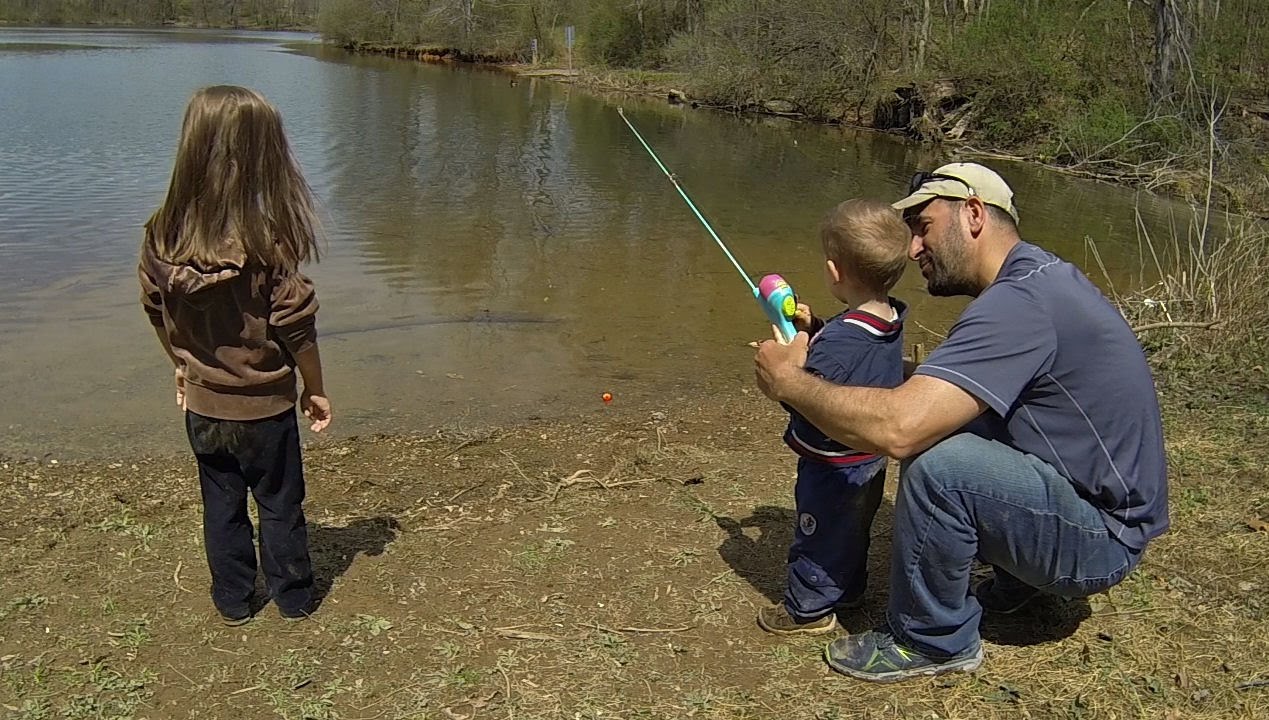
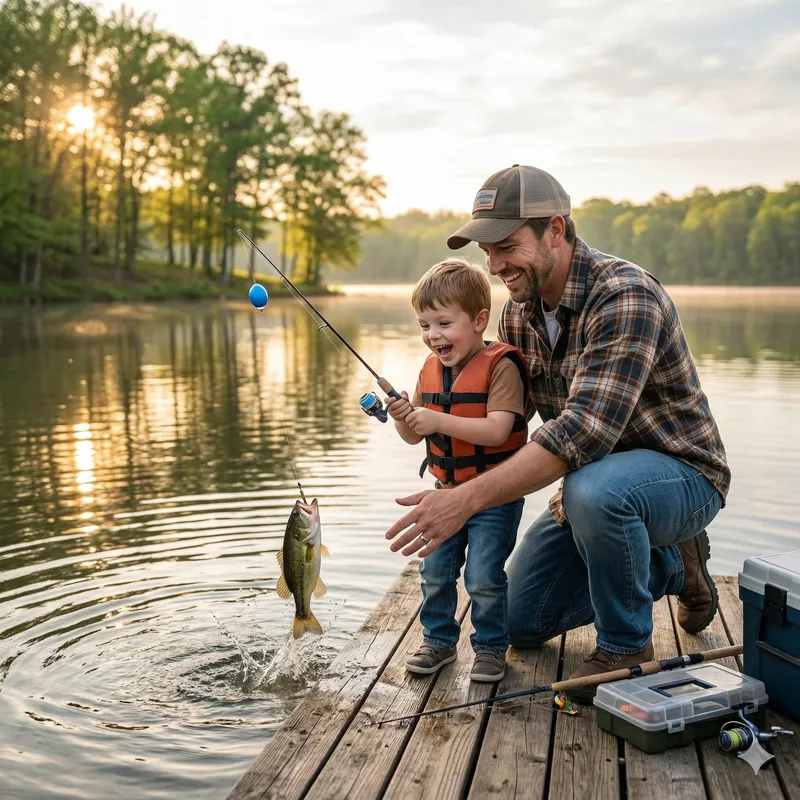
Taking a kid fishing for the first time is one of those experiences that sticks. Not because everything goes perfectly — it usually does not — but because the excitement of a bobber disappearing underwater is universal. Indiana is one of the best states in the country to introduce children to fishing. Kids under 18 fish free with no license required, the DNR stocks urban ponds specifically for young anglers, and there are hundreds of family-friendly spots within a short drive of every major city.
This guide covers everything a parent needs to plan a successful first fishing trip: what age to start, where to go, what gear to bring, how to teach casting, and how to keep the whole experience fun enough that your kid asks to go again.
What Age Should Kids Start Fishing?
There is no magic number, but here is a realistic breakdown by age group.
Ages 3-4: Observation Mode
At this age, fishing is really about being near water. Let toddlers watch you fish, splash at the shore, look at minnows in a bucket, and hold a caught fish briefly. Do not expect them to hold a rod or pay attention for more than a few minutes. The goal is building positive associations with being outdoors near water.
What works: A short visit to a pond, a bucket to collect things in, and zero expectations.
Ages 5-7: Guided Fishing
Most kids in this range can hold a rod, watch a bobber, and reel in a fish with help. They will need you to bait the hook, cast for them (or guide their hand), and remove the fish. Attention spans are still short — plan for 30 to 60 minutes of actual fishing mixed with exploring and snack breaks.
What works: A spincast (push-button) reel, a bobber rig with a worm, and a pond full of hungry bluegill.
Ages 8-12: Growing Independence
This is the sweet spot. Kids in this age group can learn to cast, bait their own hooks, and handle fish. Many 10-year-olds can fish independently while you sit nearby. This is also when kids start wanting to target specific species, use different lures, and keep score.
What works: A basic spinning rod, a small tackle box of their own, and permission to make mistakes.
Ages 13+: Fishing Partners
Teenagers who have been fishing for a few years are full fishing partners. They can help younger siblings, navigate regulations, and start exploring techniques like bass fishing with artificial lures or catfishing at night.
Indiana Rules for Kids: What Parents Need to Know
Indiana makes it easy to take kids fishing. Here are the rules that matter.
Kids Fish Free
Anyone under 18 years old can fish in Indiana without a license. This applies to both residents and non-residents. There is no youth permit, no registration form, and no fee. Just grab a rod and go.
Adults Need a License
The supervising adult needs a valid Indiana fishing license. A resident annual license costs $23. A one-day license is $10, which is a good option if you are testing the waters (literally) before committing to a season of fishing. For full details on license types, costs, and how to buy online, see our Indiana fishing license guide.
Bag Limits Still Apply
Even though kids do not need a license, all bag limits and size limits apply to their catch. Each child has their own daily bag limit — they cannot add their fish to a parent’s count. For example, bag limits on bass (14-inch minimum, 5 per day) apply to each angler separately, so a parent and two kids each have their own count. Bluegill and other panfish have no statewide daily bag limit on most public waters, but always check water-specific regulations before you keep fish.
Review the current Indiana fishing regulations before your trip so you know what you can keep.
Free Fishing Days 2026
On Indiana’s designated free fishing days, nobody needs a license — not even adults. These are perfect days for a first family trip because the financial barrier drops to zero.
| Date | Event |
|---|---|
| May 10, 2026 | Spring Free Fishing Day |
| June 6-7, 2026 | National Fishing and Boating Week |
| September 26, 2026 | Fall Free Fishing Day |
All other regulations (bag limits, size limits, legal methods) still apply on free fishing days. Many state parks and DNR properties host special family fishing events on these dates — check the Indiana DNR events calendar for details near you.
Best Kid-Friendly Fishing Spots by Region
The ideal kid-fishing spot has four things: easy shoreline access, stocked fish that bite readily, shade or shelter nearby, and a bathroom within walking distance. Here are the best options across Indiana.
Indianapolis Metro
Krannert Lake — Broad Ripple area. This small urban lake in Holliday Park is stocked with channel catfish and has a healthy bluegill population. Paved paths, benches, and shade trees make it comfortable for families. It is one of the DNR’s Urban Fishing Program sites.
Dubarry Park Pond — Northwest side. Another DNR urban fishing site, regularly stocked with channel catfish. The pond is small enough that kids can cast from almost anywhere and reach fish. Picnic tables and a playground are nearby.
Delaware Lake at Fort Harrison State Park — Lawrence area. This state park lake offers excellent bluegill and bass fishing from a fishing pier and shoreline. The park has restrooms, picnic areas, and hiking trails for when kids need a break from fishing. A state park entry fee applies ($7 in-state vehicles).
Eagle Creek Reservoir — West side. The dam area and several coves offer good shoreline fishing for bluegill and catfish. The reservoir also holds largemouth bass and crappie. Combine fishing with a visit to the nature center.
Geist Reservoir — Northeast side. Several public access points offer shoreline fishing. Geist has strong populations of bluegill, crappie, and channel catfish. The Fall Creek area near the dam is particularly accessible.
For more options in the metro area, see our complete guide to the best fishing spots near Indianapolis.
Fort Wayne
Lakeside Park — A city park with a stocked pond that produces reliable bluegill and catfish action. Easy access, benches, and restrooms.
Shoaff Park — The pond here is stocked through the DNR’s Urban Fishing Program. Good bluegill fishing from shore, with playground equipment nearby to keep younger kids entertained between bites.
Spy Run Creek — A small creek running through downtown Fort Wayne that holds panfish and smallmouth bass. Wading in shallow sections is fun for older kids on warm days. Check Allen County for more fishing spots in the area.
Evansville
Diamond Valley Lake — A DNR urban fishing site in Evansville that gets regular catfish stockings. The lake is small and manageable for young anglers. Shoreline access is good all the way around.
Garvin Park Lake — Another excellent Evansville option with stocked catfish and resident bluegill. The surrounding park has picnic facilities and shade. See Vanderburgh County for additional spots.
Other Cities Across Indiana
| City | Spot | What to Expect |
|---|---|---|
| Carmel | Meadowlark Park Pond | Stocked bluegill and catfish. Paved path around pond. |
| Avon | Washington Township Park Pond | Small pond, easy shoreline casting for panfish. |
| Lafayette | Munger Park Pond | DNR urban fishing site. Regular catfish stockings. |
| South Bend | Pinhook Lake | Larger lake with good panfish from shore. |
| Terre Haute | Dobbs Pond | Stocked urban pond, great for quick trips. |
| Terre Haute | Maple Avenue Lake | Bluegill and catfish from shore. |
| Hobart | Robinson Lake | A Lake County favorite with good catfish fishing. |
| Madison | Johnson Lake | Small lake in Jefferson County. Panfish from shore. |
State Park Lakes
State parks offer some of the best family fishing in Indiana. Entry requires a vehicle permit ($7 in-state, $15 out-of-state), but the facilities — restrooms, picnic shelters, fishing piers, and often boat rental — make them worth it.
Chain O’Lakes State Park — Noble County. Nine connected lakes with excellent panfish fishing. Boat rental available. Great for a full-day family outing. Check Noble County for details.
Patoka Lake — Dubois County. Indiana’s second-largest reservoir at 8,800 acres. Multiple fishing piers, marina, and a beach for cooling off. Strong bluegill and channel catfish populations. See Dubois County.
Monroe Lake — Monroe County. Indiana’s largest lake at 10,750 acres. Hardin Ridge and Paynetown recreation areas have good shoreline access and piers. Excellent crappie fishing in spring.
Hardy Lake — Scott and Jefferson counties. A 741-acre lake with good panfish and catfish. Less crowded than the larger reservoirs, which can be a plus with small children.
Best Species for Kids to Catch
Not all fish are created equal when it comes to keeping a young angler interested. Here are the best targets, ranked by kid-friendliness.
1. Bluegill — The Perfect Starter Fish
Bluegill are the number one species for kids, and it is not close. They live in virtually every pond, lake, and slow river in Indiana. They bite aggressively on simple bait. They fight hard enough to be exciting but are small enough that any child can reel one in. And they travel in schools, so when you catch one, more are coming.
How to catch them: Worm on a #6 hook under a bobber, cast near weeds, docks, or fallen trees. Set the bobber so the bait hangs 2-3 feet deep. For more tactics, see our bluegill and panfish guide.
2. Channel Catfish — Urban Pond Stars
Channel catfish are the backbone of Indiana’s Urban Fishing Program. The DNR stocks thousands of channel cats into city ponds each spring and summer, specifically to provide easy access for families. These fish are hungry, they bite on basic bait, and landing a 2-3 pound catfish is genuinely thrilling for a kid.
How to catch them: Nightcrawler or chicken liver on the bottom. No bobber — use a sinker to keep the bait down and wait. Read our catfish fishing guide for more strategies.
3. Crappie — Spring Bonus
Crappie move shallow in spring to spawn, making them easy targets from shore during April and May. They are larger than bluegill, they taste excellent, and catching a mess of crappie is a great way to introduce kids to the idea of fishing for dinner.
How to catch them: Small minnow or tiny jig under a bobber near brush piles, docks, or fallen trees. See our crappie lakes guide for the best spots.
4. Largemouth Bass — The Confidence Builder
Every kid who fishes long enough wants to catch a bass. Largemouth bass are widespread across Indiana and will hit worms, small lures, and live bait. Landing a bass feels like an accomplishment, and the surface strikes on topwater lures are unforgettable.
How to catch them: A worm on a hook near shoreline cover works. For more action, try a small inline spinner or a plastic worm on a weedless hook.
5. Rainbow Trout — Special Event Fish
Indiana stocks rainbow trout into select urban ponds during spring and fall as special fishing events. These events draw big crowds and are great for families. Check the Indiana fish stocking schedule for dates and locations.
Essential Gear for Kids Fishing
You do not need to spend a lot of money. A basic setup for under $50 covers everything a child needs for their first several trips.
Rod and Reel
A spincast (push-button) combo is the best choice for beginners under age 8. The closed-face reel eliminates tangles, and the push-button cast is intuitive. Look for a combo in the 4-5 foot range — adult-length rods are unwieldy for kids.
For kids age 8 and up, a spinning combo in the 5-5.5 foot range is a better long-term investment. Spinning reels take a little more practice to learn but cast farther and handle a wider range of fishing situations.
Terminal Tackle
You need surprisingly little.
| Item | Size/Type | Purpose | Approximate Cost |
|---|---|---|---|
| Hooks | #6 or #8 baitholder | All-purpose for panfish and catfish | $2-3 per pack |
| Bobbers | Clip-on, 1-inch round | Suspend bait at the right depth | $2-3 per pack |
| Split shot sinkers | Size BB and Size 3/0 | Add weight below bobber | $2 per pack |
| Snap swivels | Size 12 | Quick lure/hook changes | $3 per pack |
Budget Starter Kit
| Item | Budget Option | Cost |
|---|---|---|
| Spincast combo (rod + reel) | Zebco 202, 5’6” | $15-20 |
| Hooks, bobbers, sinkers pack | Combo terminal tackle kit | $8-12 |
| Container of nightcrawlers | Any bait shop or gas station | $4-5 |
| Bucket or stringer | 5-gallon bucket from hardware store | $3-5 |
| Needle-nose pliers | For hook removal | $5-8 |
| Total | $35-50 |
You can find these items at any big-box store, and most bait shops carry kid-sized combos and starter tackle kits.
Teaching Kids to Cast
Casting is the skill that makes or breaks a kid’s first trip. If they cannot get the bait in the water, frustration follows quickly. Here is how to teach it.
Spincast (Push-Button) Reel — Step by Step
- Press and hold the button on top of the reel.
- Point the rod at the target (a spot in the water, not straight up).
- Swing forward in a smooth motion — like throwing a ball underhand.
- Release the button when the rod is pointed at the target.
- The bait flies out. When it lands, the line stops automatically.
Practice in the Yard First
Before you get to the water, practice casting in the backyard. Tie a small practice weight (a rubber casting plug or just a sinker) to the line and set a bucket or hula hoop as a target 20-30 feet away. Ten minutes of practice on grass prevents twenty minutes of frustration at the pond.
The Underhand Flip for Small Kids
Children under 6 often lack the coordination for a full cast. Teach them the underhand flip instead:
- Let out about 3 feet of line from the rod tip.
- Hold the rod low, parallel to the ground.
- Swing the bait gently underhand toward the water.
- The bait lands 5-10 feet out — which is often plenty at a small pond.
This technique works well from fishing piers and docks where fish are directly below or just a short distance out.
Baiting Hooks and Handling Fish
These are the parts of fishing that make some parents (and kids) squeamish. A little preparation goes a long way.
Best Baits for Kids Fishing
Nightcrawlers and red worms — The universal bait. Every fish in Indiana eats worms. Thread a piece of worm onto the hook, leaving a tail dangling. Kids who do not want to touch worms can use a small stick to push the worm onto the hook.
Wax worms — Small, soft, and less intimidating than nightcrawlers. Excellent for bluegill. Just push the hook through one end.
Crickets — Lively and effective for panfish. Kids often enjoy catching the crickets as much as catching the fish. Hook them through the back behind the head.
Corn kernels — In a pinch, canned sweet corn on a small hook catches bluegill. Not the most effective bait, but zero squeamishness factor.
How to Hold a Bluegill (Watch the Spines!)
Bluegill have sharp dorsal spines that can poke little fingers. Teach kids this technique:
- Wet your hand first (protects the fish’s slime coat).
- Approach the fish from the front, sliding your hand from head to tail.
- This pushes the dorsal spines flat against the fish’s back.
- Grip firmly but gently around the body.
- The fish is now safe to hold, admire, and photograph.
Demonstrate this yourself a few times before letting kids try. Having a small towel handy helps with grip and confidence.
Catch-and-Release with Kids
Teaching kids to release fish carefully builds conservation values early. Show them how to:
- Wet their hands before touching the fish.
- Support the fish horizontally (do not hold it vertically by the lip).
- Remove the hook gently with pliers (this is usually a parent job).
- Lower the fish into the water and let it swim away on its own.
If you plan to keep fish, bring a bucket of water to hold them alive while you continue fishing.
Tips to Keep Kids Interested
The biggest mistake parents make is treating a kid’s fishing trip like an adult fishing trip. Adjust your expectations and you will both have more fun.
Keep It Short
Plan for 1-2 hours maximum for kids under 8. If things are going well, you can always stay longer. But leaving while they are still having fun means they will want to come back. Leaving after a meltdown means they will not.
Bring Snacks — Many Snacks
Fishing burns through a kid’s patience faster than their calories, but snacks solve both problems. Crackers, fruit, juice boxes, and granola bars keep energy and attitudes up. Pack more than you think you need.
Let Them Explore
A child who wanders away from the rod to look at frogs, throw rocks, or collect sticks is not doing fishing wrong — they are doing childhood right. Let them explore the shoreline. The rod will be there when they come back.
Bring a Bucket
A 5-gallon bucket filled with lake water becomes a temporary aquarium. Kids love watching their caught bluegill swim in circles. It gives them something to show off and talk about. Just release the fish before you leave.
Skip the Lessons
Resist the urge to deliver a fishing seminar. Kids learn by doing, not by listening to explanations about drag settings and knot types. Show them the basics, let them try, and help when they ask for it. Save the advanced instruction for trip number five.
Celebrate Everything
The first fish is a big deal no matter the size. A 4-inch bluegill deserves a high-five, a photo, and genuine enthusiasm. Do not downplay small catches or compare them to “real” fish. Every fish a kid catches is a real fish.
Safety Checklist for Fishing with Kids
Print this list or screenshot it before you head out.
- Sunscreen — Apply before you leave home and reapply every two hours. Water reflection intensifies UV exposure.
- Bug spray — Indiana mosquitoes are relentless near water, especially at dawn and dusk. Use a kid-safe repellent.
- Life jackets — Required for children on boats. Strongly recommended when fishing from docks, piers, or steep banks, even if your child can swim.
- Hook safety — Establish a clear rule: nobody walks around with a baited hook dangling. Reel in before moving. Barbless hooks (or hooks with crimped barbs) are easier to remove from fingers and fish alike.
- Closed-toe shoes — Flip-flops and fishing hooks do not mix. Sneakers or water shoes protect feet from hooks, rocks, and broken glass.
- Hydration — Bring more water than you think you need. Kids get dehydrated fast in the sun, especially when they are too excited to ask for a drink.
- First aid kit — Band-aids, antiseptic wipes, and tweezers for splinters. A small pair of wire cutters can handle a hook-in-finger emergency.
- Sun shade — A pop-up canopy or beach umbrella provides relief on hot days and extends the amount of time kids can comfortably fish.
DNR Programs for Young Anglers
The Indiana Department of Natural Resources actively supports youth fishing through several programs.
Learn to Fish Program
The DNR offers free “Learn to Fish” clinics throughout the year at state parks, nature centers, and urban fishing sites. Instructors provide loaner equipment and teach basics like casting, knot tying, fish identification, and regulations. These events are ideal for families who are completely new to fishing.
Urban Fishing Program
The DNR stocks channel catfish and sometimes rainbow trout into urban ponds across the state. These stockings target ponds with good shoreline access in or near cities, specifically to make fishing accessible to families without boats. Sites include ponds in Indianapolis, Fort Wayne, Evansville, South Bend, Terre Haute, and dozens of smaller communities.
Check the Indiana fish stocking schedule to find out when your nearest urban pond is getting stocked.
Free Fishing Days
As mentioned above, Indiana offers four free fishing days across three dates in 2026: May 10, June 6-7, and September 26. The spring and summer dates have already passed, but September 26 remains for 2026. Many DNR properties and local parks departments host family events on these dates, including loaner gear, bait, and instruction. These events are the single best opportunity for a zero-cost, zero-commitment first fishing experience.
Youth Fishing Derbies
Many Indiana cities, counties, and fishing clubs host youth fishing derbies throughout the year. These events typically stock a pond heavily before the event, provide prizes for biggest fish or most fish caught, and include free food and instruction. Check local parks departments and fishing club websites for events near you.
Making It a Tradition
The goal of a first fishing trip is not to catch a trophy — it is to create an experience positive enough that your child wants to go again. Indiana makes that easier than most states with free fishing for anyone under 18, hundreds of stocked public ponds, and a DNR that actively invests in youth angling.
Start simple. Pick a stocked pond close to home, bring a basic rod and some worms, plan for a short trip, and let your child set the pace. If they catch a fish, great. If they spend the whole time throwing rocks and chasing frogs, that is fine too. The fishing will come.
When you are ready to expand your family fishing adventures, explore our guides to the best bluegill lakes in Indiana, top crappie destinations, and best spots near Indianapolis. Consider hiring a local fishing guide for a half-day trip — many guides specialize in family outings and provide all the gear. And stop by a local bait shop for advice on what is biting in your area.
The best time to take a kid fishing is whenever they are willing to go. The second best time is right now.
Frequently Asked Questions
Do kids need a fishing license in Indiana?
No. Indiana residents and non-residents under age 18 can fish without a license. There is no permit, fee, or registration required. Kids still must follow all bag limits, size limits, and seasonal regulations.
What age should I start taking my child fishing?
Children as young as 3-4 can enjoy observing fish and playing near the water. Most kids are ready to hold a rod with help by age 5-6, and many 8-year-olds can cast and bait a hook independently. Start with very short trips and adjust based on your child's interest.
When are Indiana's free fishing days in 2026?
Indiana's free fishing days in 2026 are May 10, June 6-7 (coinciding with National Fishing and Boating Week), and September 26. On these days, anyone can fish Indiana's public waters without a license. All other regulations still apply.
What is the best fish for kids to catch in Indiana?
Bluegill is the best starter fish for kids. They are abundant in nearly every Indiana pond and lake, they bite aggressively on simple worm-and-bobber rigs, and they are small enough for children to reel in without frustration. Channel catfish from stocked urban ponds are another excellent option.
Where can I take kids fishing near Indianapolis?
Indianapolis has several excellent kid-friendly fishing spots. Krannert Lake in Broad Ripple, Dubarry Park Pond on the northwest side, and Delaware Lake inside Fort Harrison State Park are all stocked with bluegill and channel catfish. Eagle Creek Reservoir and Geist Reservoir also have accessible shoreline areas suitable for families.