
Rainbow Trout Fishing in Indiana
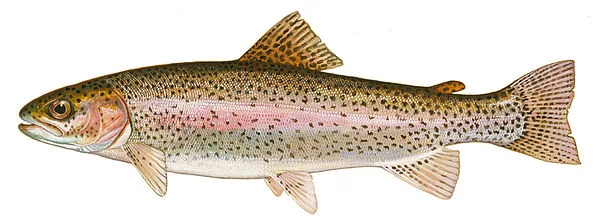
Rainbow trout are the foundation of Indiana’s inland trout program, a put-and-take fishery managed by the DNR Division of Fish & Wildlife. Each year, the DNR stocks approximately 60,000 rainbow and brown trout across the state in two primary windows: spring stockings leading up to the stream season opener on the last Saturday in April, and fall stockings in October and November that provide cool-weather fishing opportunities on inland lakes. Rainbow trout make up the bulk of these stockings, giving Hoosier anglers who may never visit Lake Michigan a chance to catch trout close to home.
The Inland Trout Stocking Plan
The DNR publishes an annual Inland Trout Stocking Plan that lists every body of water scheduled to receive fish, the species and approximate numbers, and the stocking dates. This document is essential reading for anyone planning a trout trip. Stocking typically begins in March for lakes and ramps up in April for streams, with additional stockings continuing through Memorial Day weekend. Fall stockings target lakes and usually take place from late October through November.
Roughly 19 streams in 13 counties and 10 lakes receive trout each year. The specific locations can shift from year to year based on water conditions and access, so checking the current plan before each season is important.
Popular Stocking Locations
Brookville Reservoir Tailwater (Franklin County) is one of the most consistent inland trout fisheries in the state. Cold water releases from the dam create conditions that support trout through much of the year, and the tailwater receives both rainbow and brown trout stockings. Special brown trout regulations apply here — any brown trout harvested must be at least 18 inches.
Pinhook Lake (St. Joseph County) in South Bend is a convenient urban trout destination that receives spring and fall rainbow trout stockings. Easy bank access makes it a solid choice for families and newer anglers.
Fancher Lake (Lake County) in Crown Point and Delaware Lake (Marion County) at Fort Harrison State Park are popular central and northwest Indiana options that draw steady crowds after stocking events.
Cedar Lake (Whitley County) and Oliver Lake (LaGrange County) are among the northern Indiana lakes that receive trout, offering quieter fishing with less pressure than some of the urban stockings.
Techniques
Inland trout fishing in Indiana is straightforward. These are recently stocked, hatchery-raised fish that are generally willing to bite. The key is timing your trip close to stocking dates, as catch rates drop significantly within a few weeks as fish are harvested or succumb to warming water temperatures.
Bait fishing is the most popular and productive approach. PowerBait (dough bait) molded onto a size 12 or 14 treble hook, suspended off the bottom with a small marshmallow or fished on a sliding sinker rig, is the go-to for lake fishing. Nightcrawlers, wax worms, and single salmon eggs are effective in both lakes and streams.
Spin fishing with small in-line spinners (Mepps, Panther Martin, Rooster Tail) in sizes 0 through 2 works well in streams and along lake shorelines. Gold and silver blades with dressed trebles are consistent producers. Retrieve slowly — just fast enough to feel the blade turn.
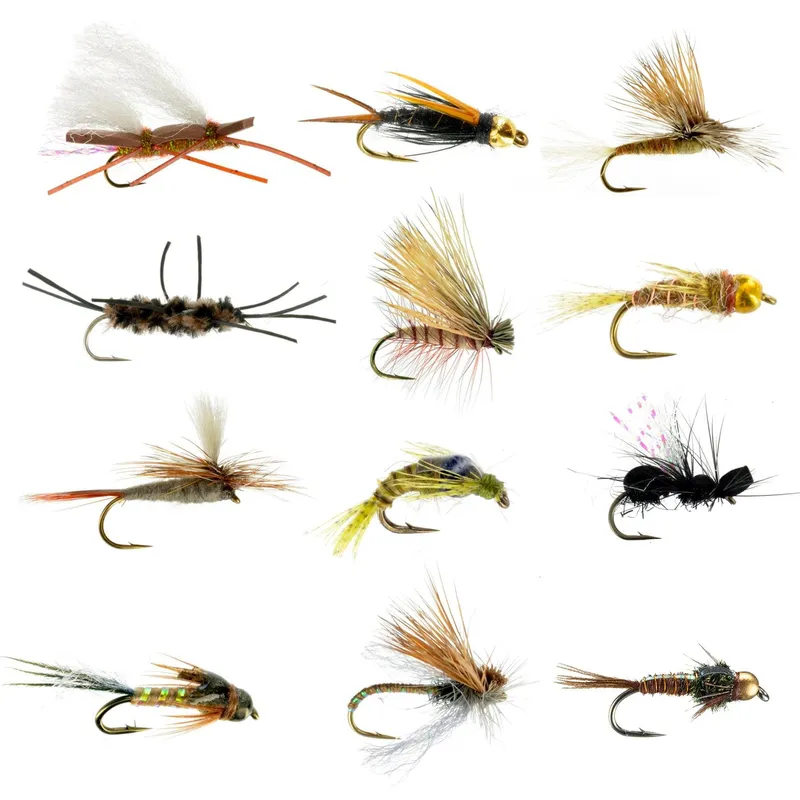
Fly fishing is viable on several of the stocked streams, particularly the Brookville tailwater. Small nymphs, egg patterns, and woolly buggers in sizes 10 through 14 drifted through pools and runs will connect with recently stocked fish. A 4- or 5-weight rod is appropriate for Indiana’s small inland trout water.
Regulations and Licensing
All anglers 18 and older need a valid Indiana fishing license and a trout/salmon stamp to fish for trout on inland waters. The stream season runs from the last Saturday in April through December 31. Inland lake trout fishing is open year-round. The daily bag limit is 5 trout total, with a minimum size of 7 inches. Brown trout harvested from the Brookville tailwater or from Oliver, Olin, or Martin lakes must be at least 18 inches.
Setting Expectations
Indiana’s inland trout fishery is not a wild trout destination. These are stocked fish in warm-water environments, and the fishing is seasonal by design. The program exists to provide accessible trout fishing to anglers across the state who may not have the means or time to travel to Lake Michigan’s tributaries or out-of-state coldwater fisheries. Approach it for what it is — a fun, low-barrier way to catch trout — and you will have a good time on the water.