Silver Carp Fishing in Indiana
Silver carp are one of four invasive Asian carp species that have established populations in the Mississippi River system and its tributaries. Indiana’s Wabash River and Ohio River both host large silver carp populations, and they are the famous “jumping fish” that leap out of the water when boat motors pass. Indiana DNR considers silver carp invasive and encourages anglers to remove every fish they catch.
Identification
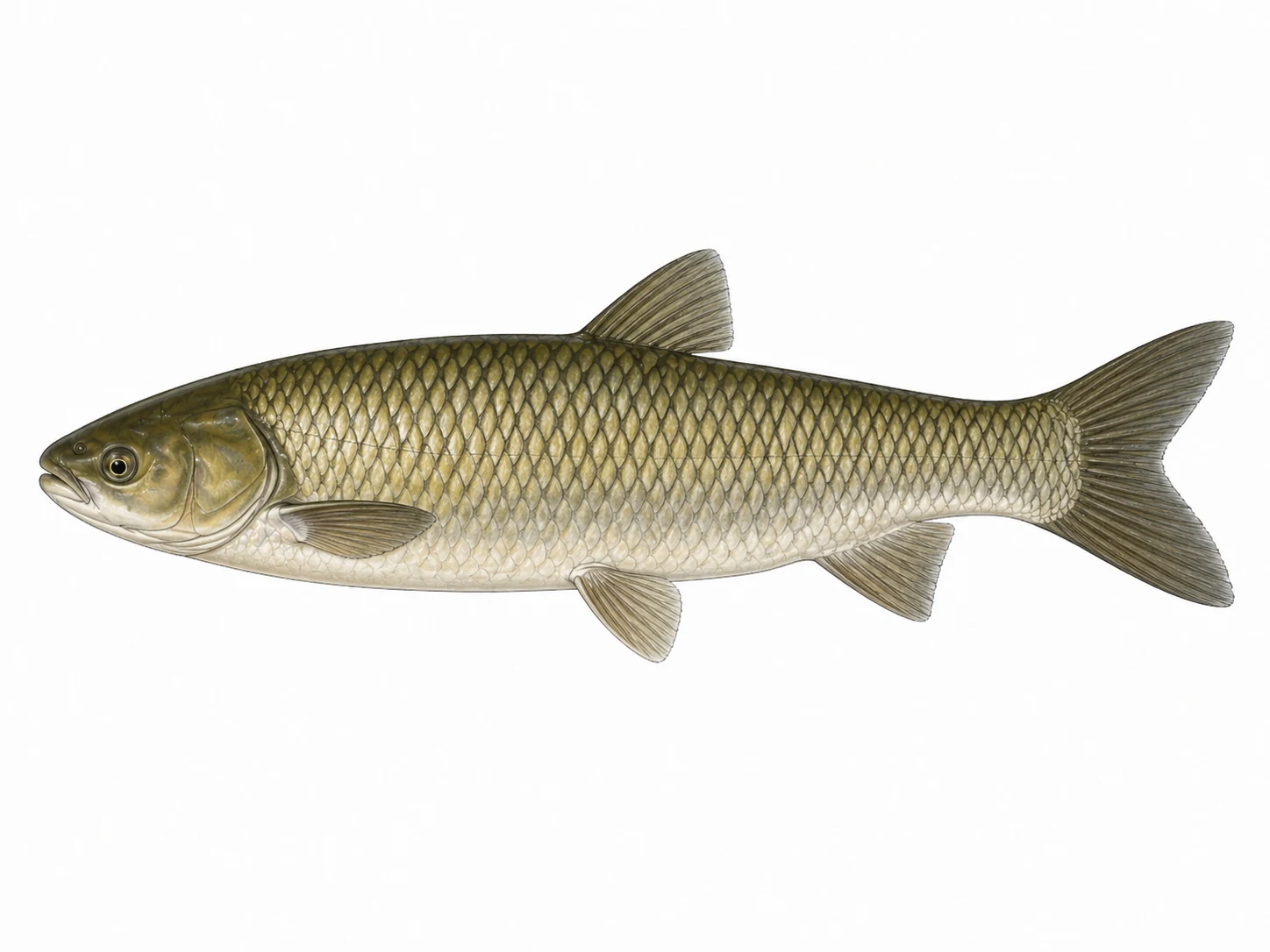
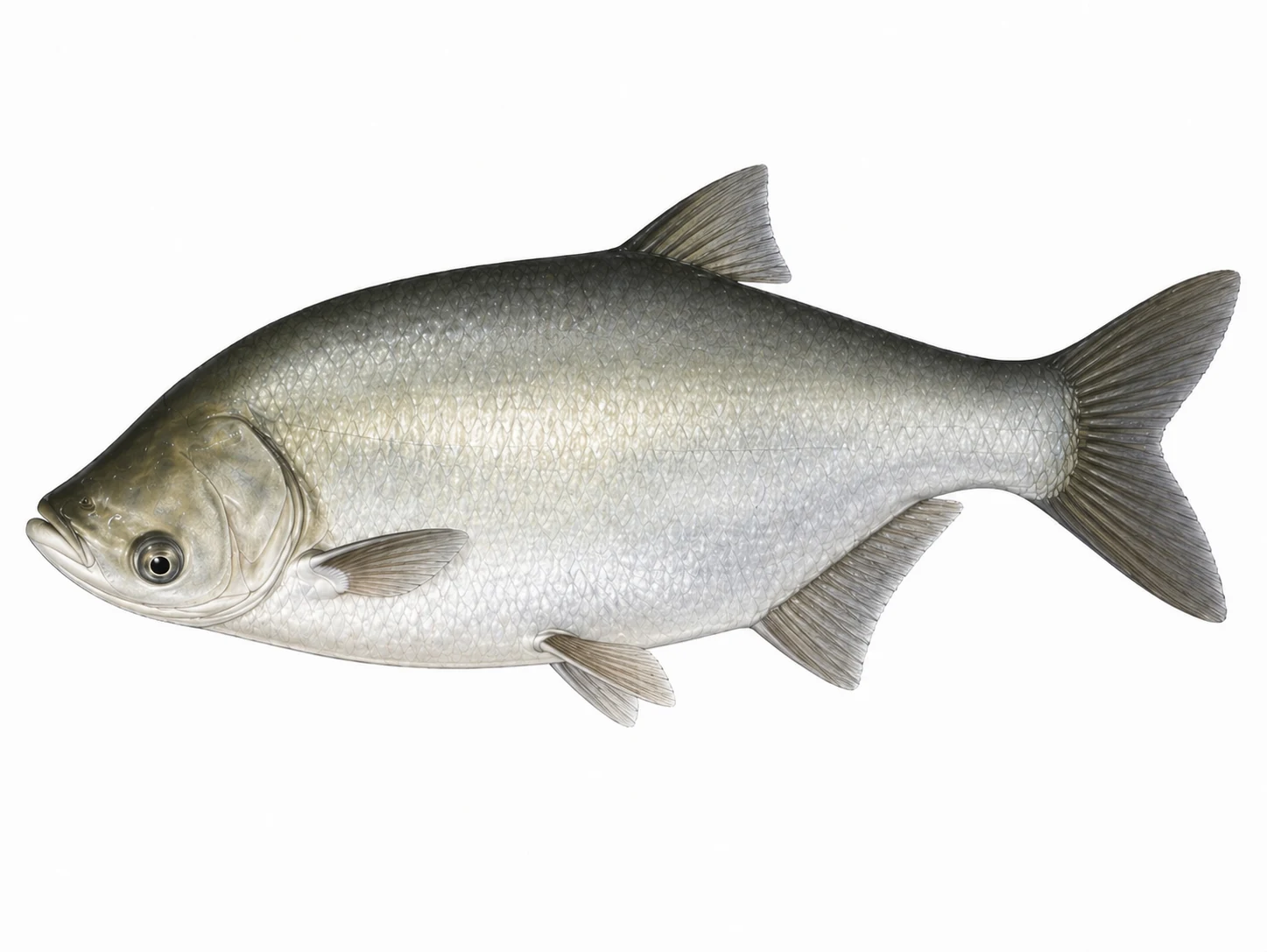
Silver carp have a deep, laterally compressed body with very small scales (smaller than common or grass carp). Color is silvery overall with a darker olive back. The eyes sit unusually low on the head — below the midline — which is the diagnostic field mark separating silver carp from the closely related bighead carp. There are no barbels on the mouth. Adult silver carp commonly exceed 20 pounds and can reach 60+ pounds. The Indiana state record stands at 15 lbs 8 oz, taken from the West Fork White River in Greene County in 2003.
Where to Find Them
Silver carp are established in:
- Lower Wabash River (downstream of the Tippecanoe confluence)
- Ohio River along the entire Indiana border
- Lower White River (West and East Fork mouths)
- Lower Tippecanoe River
They are most concentrated in oxbows, backwaters, and slow stretches near current breaks where plankton concentrates.
Bowfishing — The Primary Method
Because silver carp filter-feed on plankton, they almost never take a baited hook. Bowfishing during their jumping behavior is the standard harvest approach in Indiana:
- Run a boat through silver carp territory at moderate speed
- Fish leap when startled by the motor
- Bowfishers shoot fish in mid-air or as they re-enter the water
- A barbed bowfishing point with reel-attached line retrieves the fish
This is one of the few fishing scenarios in Indiana that is genuinely dangerous — flying carp can strike anglers in the head or chest. Eye protection and a helmet are not unreasonable precautions on heavy-density water.
Snagging and Conventional Tackle
In some Indiana waters, snag-fishing for silver carp with weighted treble hooks is legal — confirm with current DNR regulations before attempting. A few anglers also catch silvers on tiny bread balls or dough fished in current breaks, but this method is unreliable.
Why Removal Matters
Silver carp filter enormous volumes of plankton — the foundation of the aquatic food web. Where silver carp populations explode, native gizzard shad, paddlefish, and bigmouth buffalo decline, with cascading effects up the food chain. Indiana DNR partners with USFWS and commercial harvesters to remove silver carp from Indiana waters. Anglers who keep what they catch — and never transport live carp — are part of the solution.