
What Is a Prop Bait?
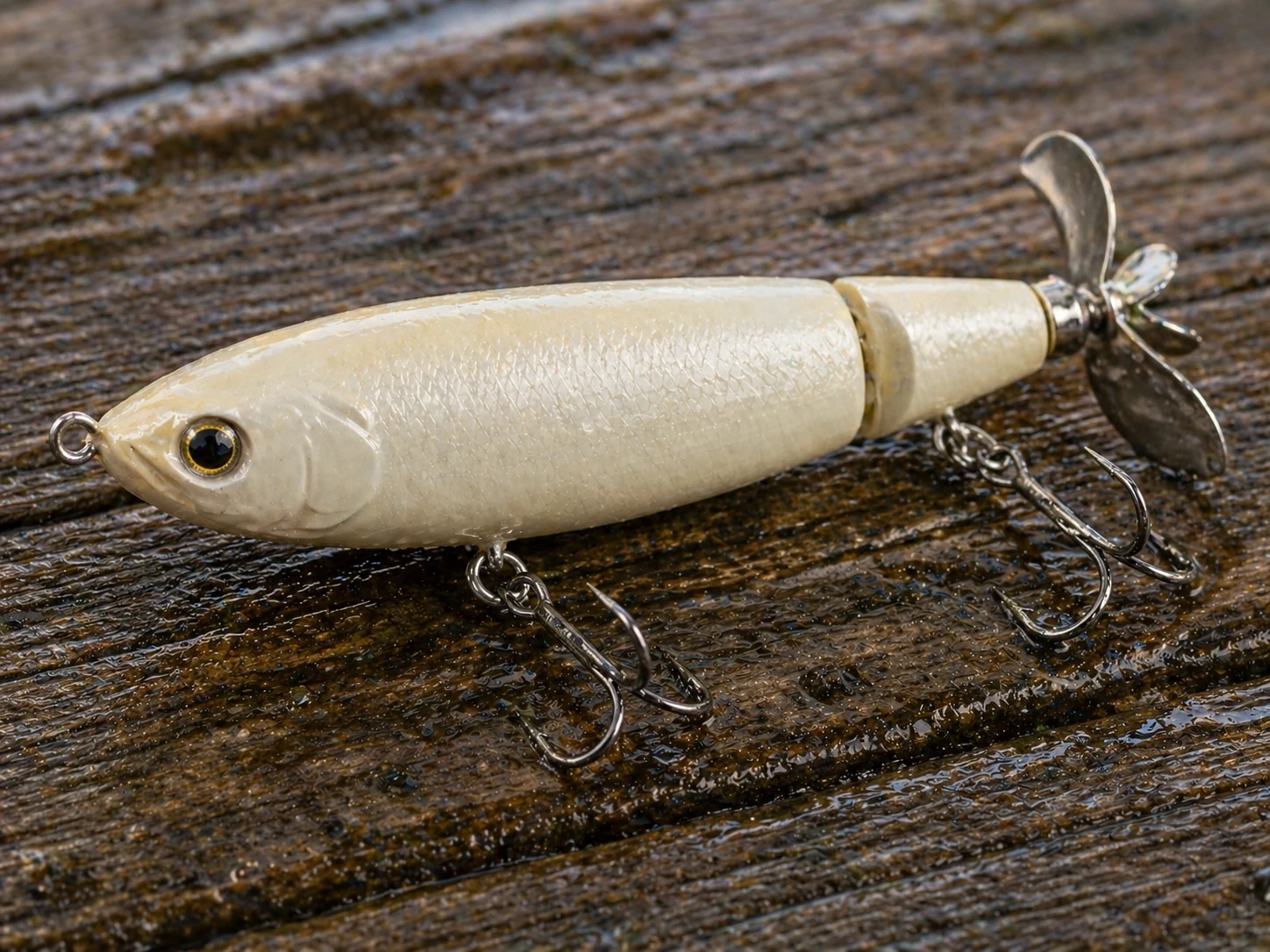
A prop bait is a topwater hard bait with one or more propellers that rotate on retrieve, churning the surface and producing a steady gurgle, splash, or rhythmic plopping sound. Some have small front and rear props (Heddon Tiny Torpedo, Smithwick Devils Horse). Others have a single large rotating tail section (River2Sea Whopper Plopper, Berkley Choppo).
The category was niche for decades until the Whopper Plopper transformed it into one of the hottest bass topwater patterns of the 2010s and 2020s. Now nearly every major brand has a prop-bait offering.
When and Where to Throw a Prop Bait
Calm summer mornings and evenings in 1-6 feet of water — the classic prop-bait window.
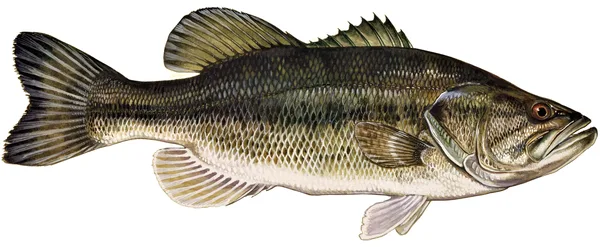
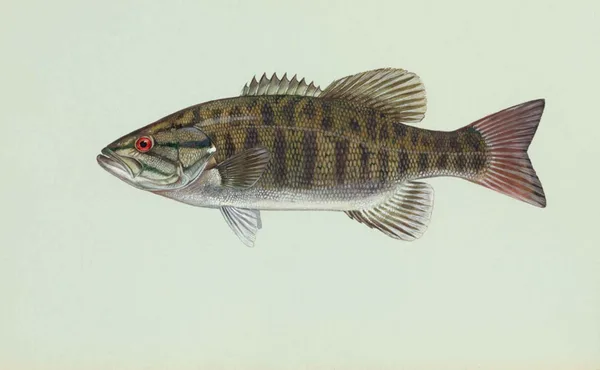
Wind-blown banks where chop and the prop bait’s noise mask each other. Bass on these banks are aggressive and the rhythmic plopping draws them from feet of water.
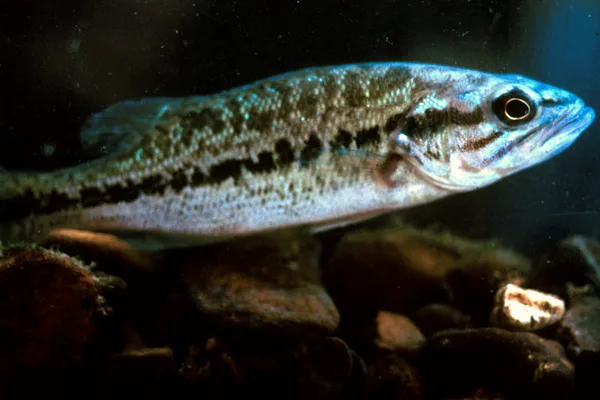
Schooling bass busting baitfish. The constant noise pulls bass out of the school and into the bait.
Pressured fisheries — although it sounds counterintuitive, pressured bass that have seen every silent bait often respond to the prop bait specifically because the noise is something different.
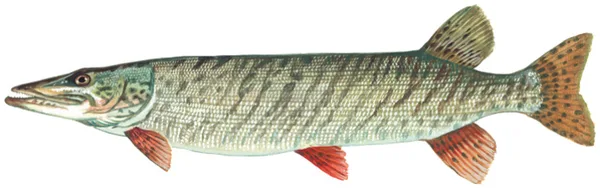
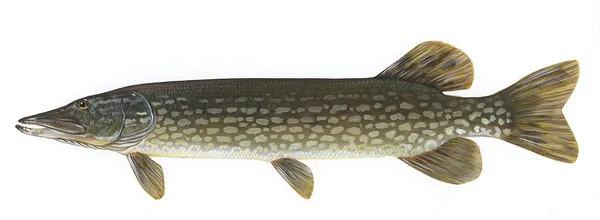
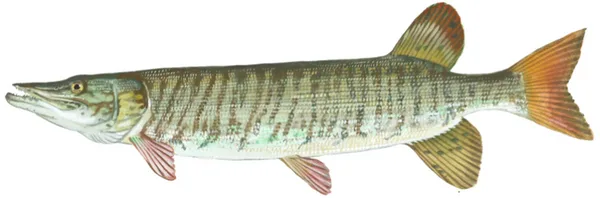
Musky and pike waters in summer. Larger prop baits (Whopper Plopper 130, 150, 190) draw musky and pike from deep water on calm summer evenings.
How to Work a Prop Bait
Steady retrieve is the default. Match the speed to water conditions: slower on calm/overcast days, slightly faster in choppy water. The prop should spin continuously and produce a steady rhythm.
Pump-and-pause variation. Steady-retrieve with intermittent pauses. The bait sits motionless for 1-2 seconds, then resumes. The transition often triggers strikes.
Twitch-and-pause for pressured fish. Treat it more like a walking bait with brief twitches and longer pauses.
Color Selection
Bone-white, black, and chrome handle most situations. Match-the-hatch shad and bluegill colors work on clear water. Bright chartreuse and red are stained-water options.
Tackle
A 7’ to 7’2” medium-heavy fast-action rod, 17-20 lb fluorocarbon or 50-65 lb braid (no leader needed for topwater), and a 7:1+ baitcasting reel. Strong gear matters because these baits trigger violent strikes from the largest fish in the system.