What Is an Umbrella Rig?
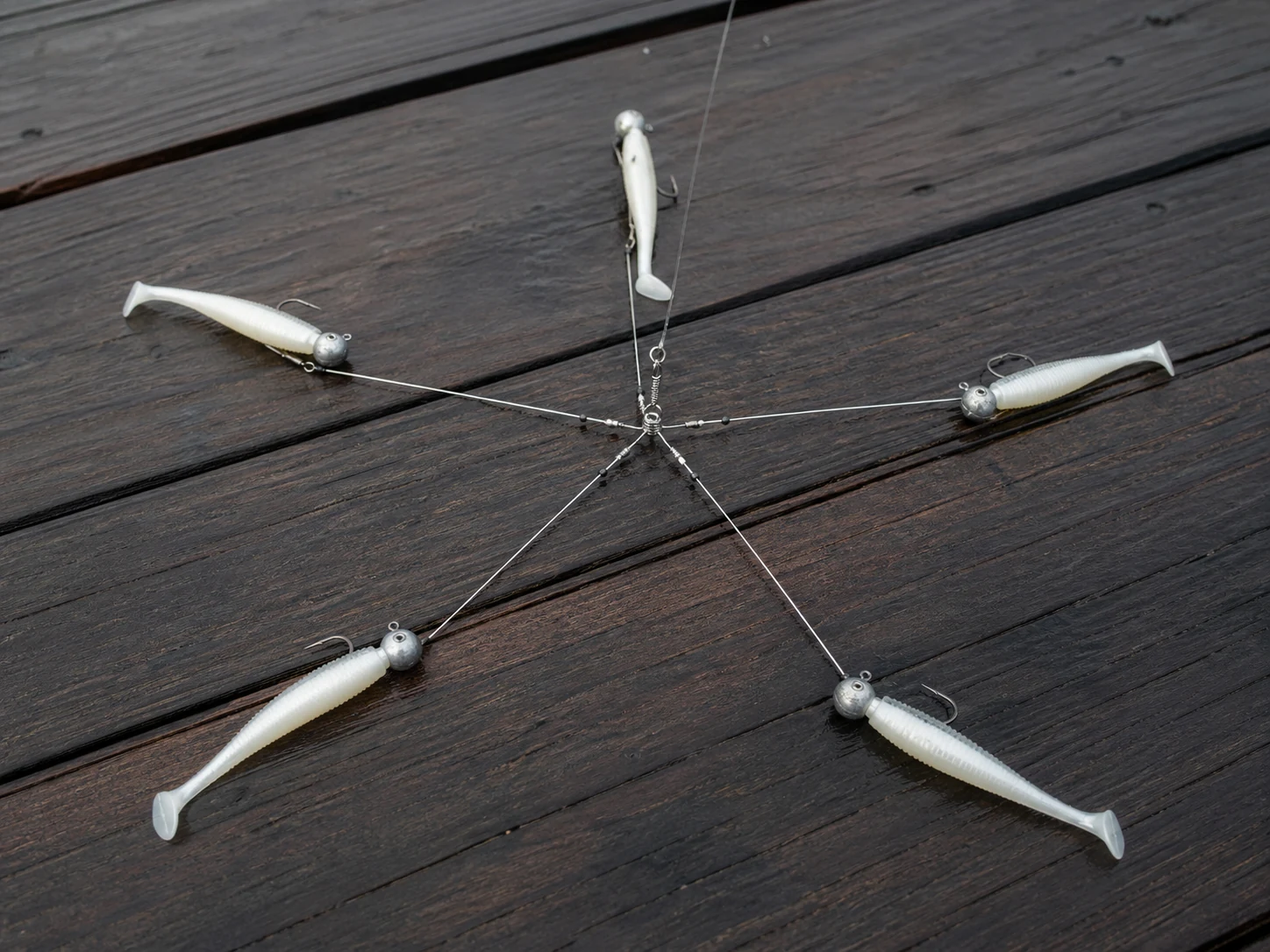
An umbrella rig — also called an A-rig or Alabama rig after the company that popularized it — is a 5-arm wire frame with a snap on each arm. Anglers attach jighead-and-swimbait combos to each snap, creating a presentation that looks like a small school of baitfish moving through the water. When bass commit, they often hit one of the trailing baits while the others act as visual attractors.
The rig exploded onto the bass scene in 2011 when Paul Elias won the FLW Tour event at Lake Guntersville with one. Since then it’s become a staple cold-water bass technique across the Midwest, including Indiana’s deep reservoirs.
Why Indiana Bass Eat Them
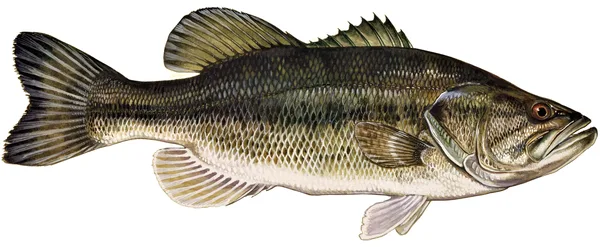
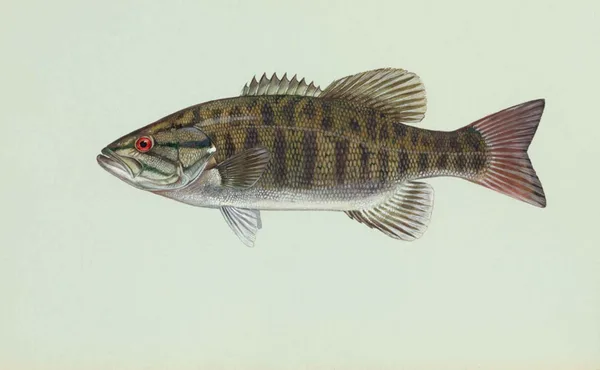
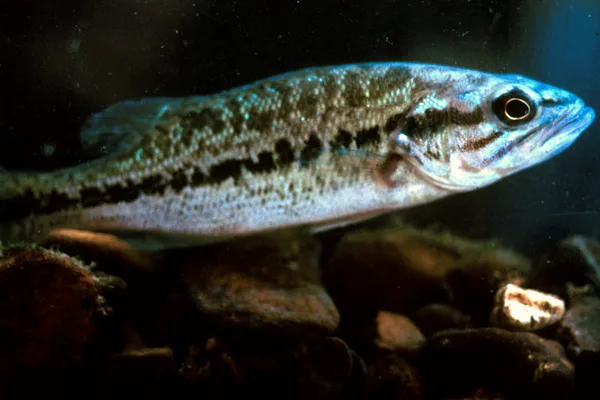
Indiana’s cold-water bass — November through March — suspend in main-lake basins, often on or near schools of gizzard shad. A single jerkbait or swimbait imitates one fish; an umbrella rig imitates the whole school. Bass that won’t chase a single bait will trigger on the school, hitting one of the trailing swimmers as it falls behind.
Best Indiana waters for A-rigs:
- Monroe Lake — main-lake humps and ledges
- Patoka Lake — winter bass hugging deep structure
- Brookville Reservoir — suspended bass and walleye
- Cataract Lake — main-lake basin
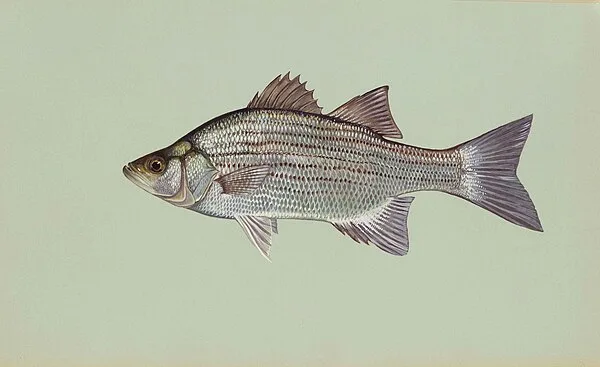
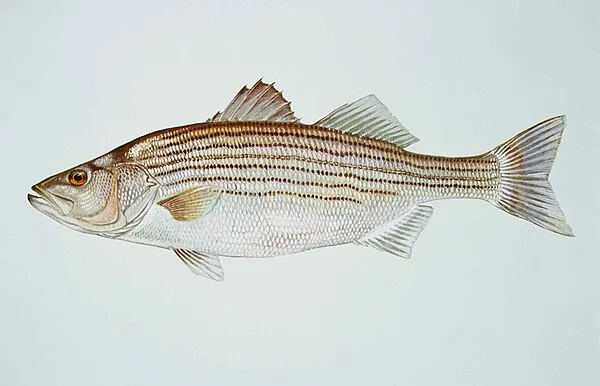
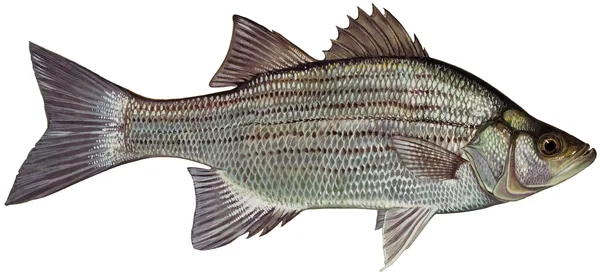
- Ohio River tailwaters — hybrid stripers and white bass
- Mississinewa and Salamonie — winter walleye + bass mixed bag
Components
Wire frame: 5-arm umbrella rigs (1 center arm + 4 trailing arms) are standard. Some have added blades at the swivels for flash. Indiana’s 3-hook rule means you can attach swimbaits with hooks on no more than three of the arms — the rest run “dummy” baits without hooks for visual attraction.
Swimbaits: 3- to 4-inch paddle-tail swimbaits (Keitech, Big Hammer, Strike King Rage Swimmer) on 1/8 to 1/4 oz jigheads. Match the size of local shad — typically 3-3.5 inches in Indiana reservoirs in winter.
Color: Pearl, ghost shad, white, or any natural shad color. Match the hatch.
How to Fish an Umbrella Rig
The standard cold-water retrieve is slow and steady:
- Cast over deep structure (15-30 feet)
- Count the rig down to depth — typically 12-20 feet for suspended winter bass
- Reel slowly — fast enough to keep the swimbaits kicking, slow enough to stay in the strike zone
- Pause periodically and let it fall — many strikes come on the pause
For active fish, a faster retrieve can trigger reaction strikes. Experiment with cadence based on water temp.
Tackle
A 7’6” to 8’0” heavy-power rod, 17-25 lb fluorocarbon (or 30-40 lb braid + 17 lb fluoro leader), and a 6.3:1 to 7.3:1 reel with high line capacity. Standard bass rods will not handle an umbrella rig — the cumulative weight (2-3 oz) plus drag in the water destroys them.
A Note on Indiana Hook Rules
Indiana’s general regulation limits the number of hooks per line. Always run no more than three hook-equipped baits on your A-rig, with the remaining arms holding “dummy” swimbaits (no hooks attached). This is the standard A-rig configuration in tournament-legal states.