Teaching Kids Catch and Release in Indiana
April 2, 2026
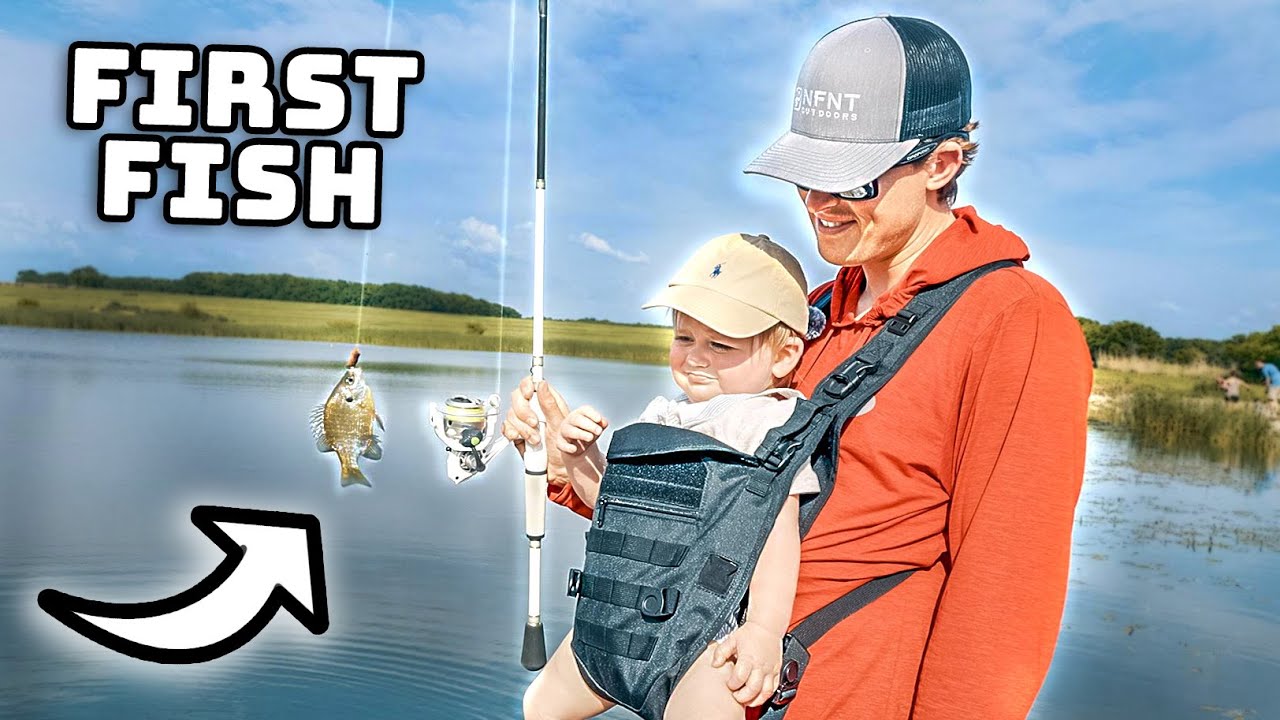
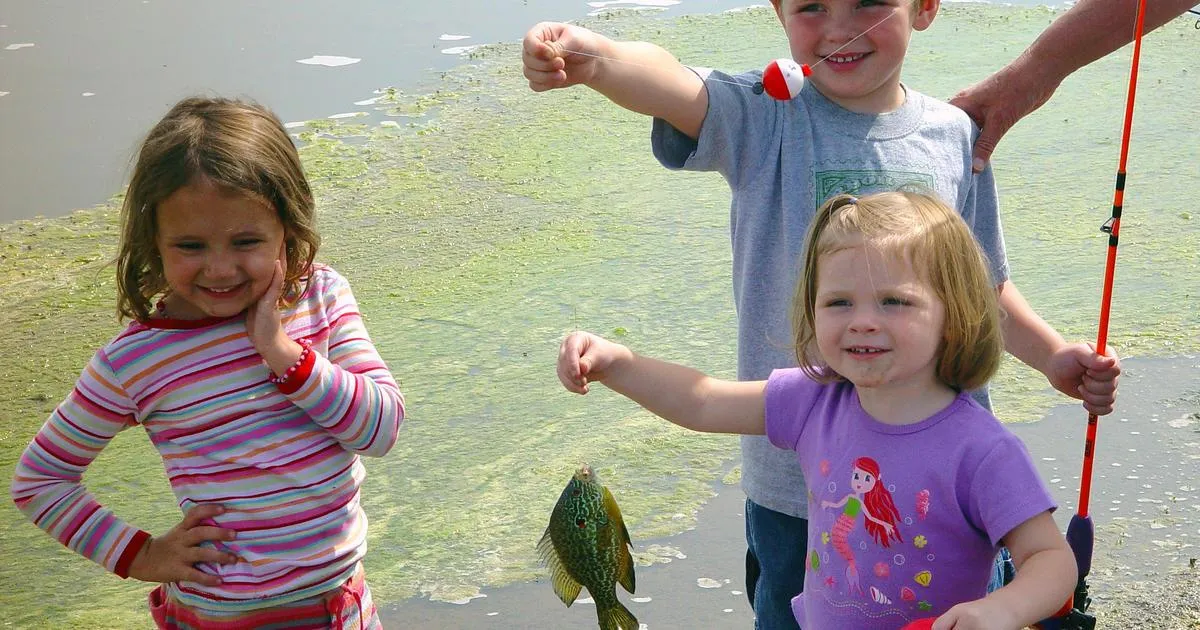
Catch and release is more than a fishing technique — it is a values lesson wrapped in an outdoor experience. When you teach a child to carefully handle and release a fish, you are teaching respect for wildlife, responsibility as a resource user, and the understanding that great fishing requires active stewardship. Indiana’s fisheries depend on anglers who practice thoughtful harvest and responsible release.
This guide covers how to teach catch and release in a way that resonates with kids, the practical techniques that keep fish healthy, and how Indiana’s regulations fit into the picture.
Why Catch and Release Matters in Indiana
Indiana has over 1,000 publicly accessible lakes and reservoirs, thousands of miles of fishable rivers and streams, and millions of anglers. Without responsible harvest practices, the math does not work. The fish that are released today become the trophies — and the spawning adults — of tomorrow.
Some key Indiana fisheries depend heavily on catch and release:
- Brookville Lake walleye — Indiana’s premier walleye fishery, where the statewide 14-inch minimum size limit and 6-fish daily bag help protect the population.
- Smallmouth bass streams — Rivers like Sugar Creek and the upper White River produce excellent smallmouth bass fishing, but these populations are sensitive to overharvest.
- Trophy largemouth bass — Every 5-pound bass released in a pond or lake is a fish that will spawn, grow larger, and provide catches for years.
Teaching kids to release fish is not about never keeping fish. It is about making informed choices — keeping what you will eat, releasing what you will not, and always following the regulations.
How to Explain Catch and Release to Kids
Children respond to concrete explanations, not abstract conservation concepts. Here are approaches that work by age group.
Ages 5-7: Simple and Direct
At this age, frame it as being kind to the fish. “We caught this bluegill and got to see it up close. Now we put it back so it can swim home to its family and so another kid can catch it too.” That is enough. Do not over-explain.
The concept of releasing something you caught can be confusing for young kids. A good bridge is the “catch, admire, release” approach — catch the fish, hold it briefly, take a photo, admire how cool it looks, then say goodbye and release it. Making the release a positive ritual rather than a loss helps.
Ages 8-12: Science and Fairness
Older kids respond to logic and fairness. Explain that fish populations are not unlimited — if everyone kept every fish, there would not be any left. Connect it to sharing: “We share these fish with every other angler in Indiana. If we only keep what we will eat tonight and release the rest, there are plenty of fish for everyone.”
This is also the age to introduce size limits and bag limits. Explain that the DNR sets rules based on fish population science — bigger fish are better at reproducing, so size limits protect the best spawners.
Ages 13+: Stewardship
Teenagers can understand the bigger picture. Talk about fisheries management, stocking programs, habitat conservation, and how catch-and-release practices directly impact the fishing quality they enjoy. Many teens become passionate conservationists when they understand the connection between their actions and the fishing they experience.
Practical Catch and Release Techniques
Good intentions mean nothing if the fish dies after release. Here are the techniques that actually keep fish alive and healthy.
Step 1: Use Barbless Hooks
The single most impactful thing you can do for fish survival is use barbless hooks or crimp down the barbs on standard hooks with pliers. Barbless hooks:
- Come out of the fish in seconds rather than requiring pliers and wrestling.
- Reduce handling time, which reduces stress on the fish.
- Cause less tissue damage to the fish’s mouth.
- Are safer for kids (and adults) — a barbless hook in a finger slides right out.
To crimp a barb, press the barb flat against the hook shank with needle-nose pliers. It takes two seconds per hook and makes a dramatic difference.
Will I lose more fish on barbless hooks? You may lose slightly more fish during the fight, but the difference is smaller than most people think. Keep steady pressure on the line and you will land the vast majority of your fish.
Step 2: Land Fish Quickly
A fish that fights to exhaustion has a much lower survival rate after release. Use appropriate tackle — do not fight a bluegill on heavy bass gear for ten minutes of entertainment. Land the fish as quickly as reasonably possible, especially in warm water when dissolved oxygen is lower.
Step 3: Wet Your Hands
Fish have a protective slime coat that shields them from bacteria, parasites, and infection. Dry hands strip this coating. Before touching any fish you plan to release, dip your hands in the water. Teach kids to make this an automatic habit — hands in the water first, then pick up the fish.
Step 4: Support the Fish Horizontally
Never hold a fish vertically by the jaw or lip for more than a quick photo. The fish’s organs are designed to be supported by water pressure from all sides. Hanging vertically puts damaging stress on the jaw, spine, and internal organs.
Hold the fish horizontally with one hand supporting the belly and the other near the tail. This is how the fish was designed to be positioned.
Step 5: Remove the Hook Quickly
Use needle-nose pliers or a hook disgorger to remove the hook. The faster the hook comes out, the better. If the fish has swallowed the hook deeply (a common occurrence with catfish and with bait fishing), cut the line rather than trying to dig the hook out. A deeply embedded hook will corrode and fall out within days. Attempting to remove it usually causes fatal damage.
This is a critical lesson for kids: sometimes the best thing for the fish is to cut your line and lose a hook. Hooks cost a few cents. The fish is worth more.
Step 6: Release Properly
Lower the fish gently into the water — do not toss or throw it. Hold the fish loosely underwater, facing into the current (if in a river) or upright in calm water. Let the fish recover for a moment. When it begins to kick and move under its own power, open your hand and let it swim away.
If the fish rolls onto its side or struggles to right itself, continue holding it gently underwater. Slowly move it forward through the water to push water over the gills. This “reviving” motion helps oxygen-depleted fish recover. It may take 30 seconds to a few minutes for a heavily fought fish.
The 30-Second Rule
From hook-set to release, try to keep the entire process under 30 seconds for fish you intend to release. This means: land the fish, wet your hands, hold it briefly, remove the hook with pliers, and lower it back into the water. Quick photos are fine, but extended air exposure (over 60 seconds) significantly reduces survival rates, especially in warm weather.
Indiana Regulations Kids Should Know
Understanding why rules exist helps kids respect them. Here are the key regulations framed in kid-friendly terms.
Size Limits
Size limits protect fish that have not had a chance to reproduce. Indiana’s key size limits include:
| Species | Minimum Size | Why |
|---|---|---|
| Largemouth bass | 14 inches | Protects spawning adults |
| Smallmouth bass | 14 inches | Protects spawning adults |
| Walleye | 14 inches (south of SR 26), 16 inches (north of SR 26) | Protects breeding stock |
| Bluegill | None statewide | Abundant, fast-reproducing |
| Channel catfish | None statewide | Abundant, regularly stocked |
| Crappie | None statewide | Some special regs on specific waters |
How to explain it to kids: “Fish have to be at least this big before we can keep them. Smaller ones go back so they can grow up and have babies. That way there are always more fish.”
Bag Limits
Bag limits cap how many fish one person can keep per day. They ensure fair sharing among all anglers.
| Species | Daily Bag Limit |
|---|---|
| Largemouth/smallmouth bass | 5 combined |
| Walleye | 6 combined |
| Bluegill/sunfish | 25 |
| Crappie | 25 |
| Channel catfish | 10 |
How to explain it to kids: “Everyone gets to keep the same number. It is like sharing — if we took too many, there would not be enough for other people and for the fish to keep their population healthy.”
For complete and current regulations, see our Indiana fishing regulations guide or visit the Indiana DNR.
Building a Conservation Mindset
The long-term goal is not just teaching kids how to release fish — it is building an ethic of stewardship that extends beyond fishing.
Lead by example. Kids model what they see. If you handle fish carefully, release with respect, and follow regulations cheerfully rather than grudgingly, your children will absorb those values.
Let them decide. Once kids understand the basics, let them choose: “Do you want to keep this fish for dinner, or release it so it can keep growing?” Giving them agency in the decision makes conservation feel like their choice, not a rule imposed on them.
Connect fishing to food. When you do keep fish, involve kids in cleaning, cooking, and eating them. Understanding that keeping fish means eating fish — and that you only keep what you will eat — makes selective harvest feel natural rather than wasteful.
Celebrate releases. Make releasing a big fish a positive event, not a disappointing one. “That bass was at least 4 pounds — she is going to be even bigger next year. Maybe you will catch her again.” Frame releases as investments in future fishing.
Visit a hatchery. The Indiana DNR operates fish hatcheries that are open to visitors. Seeing how fish are raised and stocked helps kids understand the effort that goes into maintaining fishable populations. It connects their catch-and-release practice to a bigger system.
When your family is ready for more fishing adventures, explore our guides to family-friendly fishing spots in Indiana, best fish for kids to catch, and kids fishing gear.
Frequently Asked Questions
Why should kids learn catch and release?
Catch and release teaches children that fishing comes with a responsibility to maintain healthy fish populations. It builds conservation awareness, helps kids understand that natural resources are shared and finite, and ensures there will be great fishing for the next generation. Many Indiana waters depend on voluntary catch and release to maintain quality fishing.
Do barbless hooks really make a difference?
Yes. Barbless hooks or hooks with crimped barbs are dramatically easier to remove from fish — and from fingers. Studies show that fish caught on barbless hooks have significantly higher survival rates after release. For kids, barbless hooks reduce handling time (less stress on the fish) and are safer if a hook ends up in clothing or skin.
What are Indiana's size limits for common fish?
Indiana size limits vary by species. Largemouth and smallmouth bass have a 14-inch minimum. Walleye have a 14-inch minimum south of State Road 26 and a 16-inch minimum north of SR 26. Channel catfish have no minimum size. Bluegill and crappie have no minimum size statewide but some waters have special regulations. Always check current regulations before your trip.
How do you properly release a fish?
Wet your hands before touching the fish to protect its slime coat. Support the fish horizontally with both hands — never hold it vertically by the lip. Remove the hook quickly with pliers (cut the line if the hook is deep). Lower the fish gently into the water facing into the current. Hold it loosely and let it swim away under its own power. The entire process should take under 30 seconds.