Best Fish for Kids to Catch in Indiana (And How)
April 2, 2026
Not every fish species is equally rewarding for young anglers. The best kid-friendly fish are abundant, cooperative, catchable on simple gear, and exciting enough to keep a child’s attention. Here are the top species for kids to target in Indiana, ranked by kid-friendliness, with the specific rigs, baits, and locations that produce the most action.
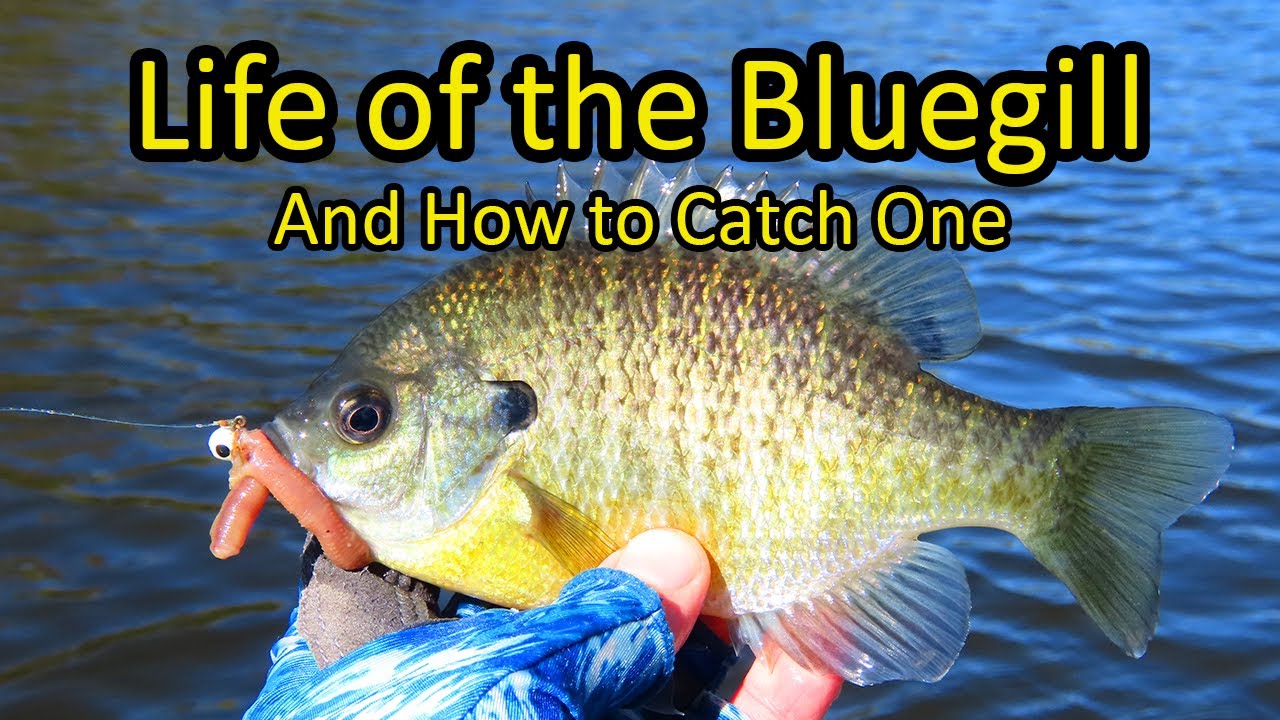
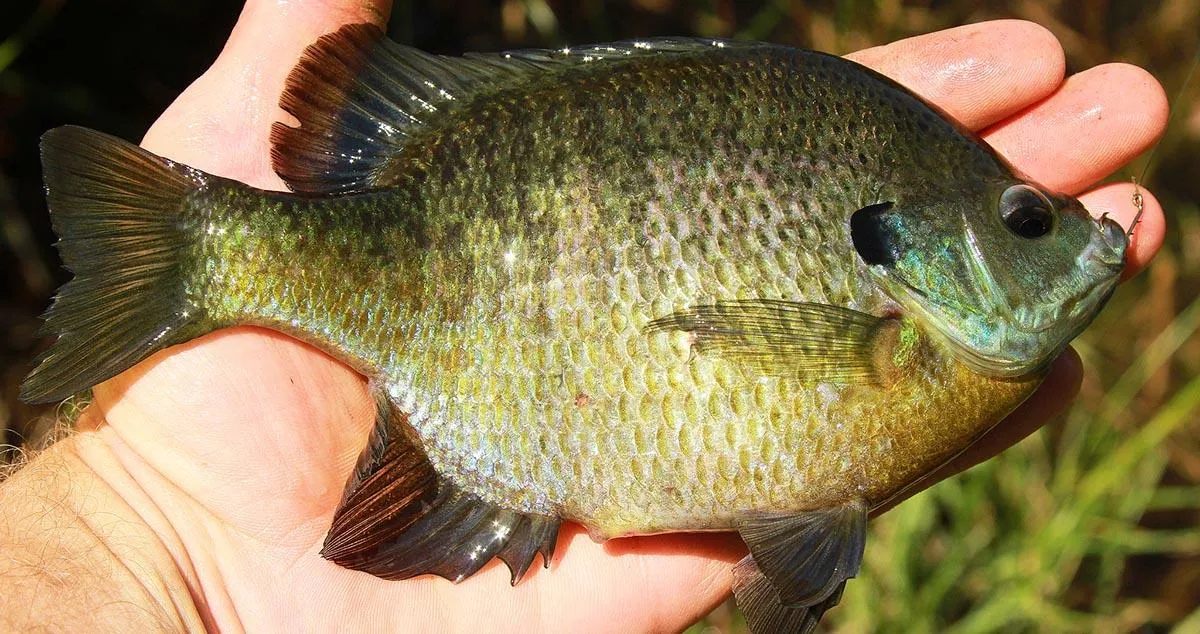
1. Bluegill — The Perfect First Fish
Bluegill are the undisputed champion of kids fishing. No other species checks every box the way bluegill do.
Why kids love them: Bluegill are everywhere. They live in virtually every pond, lake, reservoir, and slow-moving river in Indiana. They bite aggressively on the simplest possible rig. They fight surprisingly hard for their size, giving kids a genuine battle on light tackle. And they travel in schools — once you catch one, twenty more are right behind it. That rapid-fire action keeps kids engaged better than anything else.
The rig: A #6 or #8 baitholder hook, a small split shot sinker 6 inches above the hook, and a clip-on bobber set 2-3 feet deep. This is the classic bobber rig that has introduced millions of kids to fishing.
Best baits: A piece of nightcrawler (not the whole worm — half an inch is plenty), wax worms, or crickets. For zero-squeamishness options, a small piece of canned sweet corn or a tiny ball of bread dough works in stocked ponds.
Where to find them: Bluegill hang around structure — weed edges, fallen trees, docks, and brush piles. In ponds, cast near the shoreline cover. In lakes, look for shallow areas with weeds. During the spawning season (late May through June), bluegill move onto hard-bottom beds in 2-4 feet of water and become incredibly aggressive. You can often see the circular beds from shore.
Best Indiana spots: Every lake and pond in the state holds bluegill. For guaranteed action, try DNR Urban Fishing Program ponds in Indianapolis, Fort Wayne, or Evansville. State park lakes like Patoka, Monroe, and Chain O’Lakes are also reliable.
2. Pumpkinseed — The Colorful Cousin
Pumpkinseed sunfish are closely related to bluegill and are caught the same way. Kids love them because they are arguably the most colorful freshwater fish in Indiana — bright orange belly, blue and green speckles, and a distinctive red-orange spot on the ear flap.
Why kids love them: They are beautiful fish that look tropical. Kids who are lukewarm about catching “another bluegill” often get excited about a pumpkinseed because it looks so different.
The rig: Identical to the bluegill rig above. Same hooks, same bobber, same approach.
Best baits: Small pieces of worm, wax worms, and crickets. Pumpkinseed have slightly smaller mouths than bluegill, so use a smaller piece of bait and a #8 hook.
Where to find them: Pumpkinseed prefer clear water with aquatic vegetation. They are most common in the natural lakes of northern Indiana — Lake Wawasee, Webster Lake, and Tippecanoe Lake.
3. Crappie — The Spring Jackpot
Both black crappie and white crappie are excellent targets for kids, especially during the spring spawn when they move into shallow water and become accessible from shore.
Why kids love them: Crappie are bigger than bluegill (8-12 inches is common), giving kids a more substantial fish to fight and admire. They school up heavily, so catching one often leads to a flurry of action. And crappie taste excellent — catching dinner is a powerful motivator for older kids.
The rig: A small minnow on a #4 hook under a bobber, set 3-4 feet deep. Alternatively, a 1/16 oz jig tipped with a small minnow or a soft plastic tube jig worked slowly under a bobber.
Best baits: Small minnows (available at any bait shop) are the top choice. Small jigs in white, chartreuse, or pink also produce well.
Where to find them: Crappie spawn in April and May in Indiana. During the spawn, look for them near brush piles, fallen trees, docks, and shoreline cover in 3-8 feet of water. Post-spawn, they move to deeper structure but can still be caught from shore near deep-water access points.
Best Indiana spots: Monroe Lake is legendary for crappie. Patoka Lake, Mississinewa Reservoir, and Salamonie Reservoir also produce excellent spring crappie fishing. See our best crappie lakes guide for the full list.
4. Channel Catfish — The Urban Pond Star
Channel catfish are the backbone of Indiana’s Urban Fishing Program. The DNR stocks thousands of channel cats into city ponds every spring and summer, specifically to provide easy fishing for families.
Why kids love them: Catfish are weird and cool. The whiskers, the slimy skin, the bottom-feeding behavior — kids find them fascinating. A 2-3 pound channel catfish puts up a genuine fight and feels like a real accomplishment. And the concept of waiting for a bite, then feeling the rod load up with weight, teaches patience in a way that rapid-fire bluegill does not.
The rig: A #2 or #1/0 circle hook with a 1/2 oz egg sinker above a swivel. No bobber — catfish feed on the bottom. Cast out, let it sink, set the rod in a holder, and wait. Circle hooks set themselves when the fish picks up the bait and swims away.
Best baits: Nightcrawlers are the top all-around choice. Chicken liver works well for larger catfish. Commercial stink baits and dip baits also produce, though they are messier. For kids, nightcrawlers are the least objectionable option.
Where to find them: DNR Urban Fishing Program ponds in Indianapolis, Fort Wayne, Evansville, South Bend, Lafayette, and Terre Haute receive regular stockings. Check the Indiana fish stocking schedule for dates and locations.
Best Indiana spots: Krannert Lake and Dubarry Park Pond in Indianapolis, Shoaff Park in Fort Wayne, Diamond Valley Lake in Evansville. Larger reservoirs like Eagle Creek and Geist also have strong channel catfish populations.
5. Yellow Perch — The Northern Indiana Specialty
Yellow perch are most common in the natural lakes of northern Indiana and in Lake Michigan. They are excellent eating, fun to catch, and travel in large schools.
Why kids love them: Perch are handsome fish with bold yellow and black stripes. They school heavily, so catching one usually means catching several. The fillets are small but delicious — perch dinners are a northern Indiana tradition.
The rig: A #6 hook with a small minnow or piece of nightcrawler under a bobber. Set the depth to just above the bottom. A small perch spreader rig with two hooks lets kids fish two baits at once.
Best baits: Small minnows, pieces of nightcrawler, and wax worms. Perch have relatively small mouths, so keep baits compact.
Where to find them: The natural lakes of Kosciusko, Noble, Steuben, and LaGrange counties hold the best perch populations. Lake Wawasee, Webster Lake, and Tippecanoe Lake are top spots. Lake Michigan ports like Michigan City offer perch fishing from piers and on charter trips.
Seasonal Calendar: When to Target Each Species
Understanding when each species is most active helps you plan trips for maximum kid engagement.
| Month | Best Target | Why |
|---|---|---|
| March-April | Crappie | Pre-spawn and spawn movement to shallow water |
| May-June | Bluegill | Spawning beds in 2-4 feet, most aggressive period |
| June-July | Channel catfish | Warm water, active feeding, DNR stockings |
| July-August | Bluegill, perch | Summer feeding patterns, early morning and evening |
| September-October | Crappie, catfish | Fall feeding push before winter |
Simple Tips for More Fish
Use fresh bait. Day-old worms catch fewer fish than fresh ones. Buy bait the morning of your trip from a local bait shop.
Downsize the hook. The most common mistake parents make is using hooks that are too big. A #6 or #8 hook is right for panfish. Bigger hooks mean missed bites.
Fish near structure. Any visible cover — docks, fallen trees, weed edges, rocks — holds fish. Cast within a few feet of structure for the best results.
Adjust the bobber depth. If you are not getting bites, change the depth. Start at 2-3 feet and adjust until you find the fish. Sometimes the difference between no bites and nonstop action is 6 inches of depth change.
Go early. Fish are most active in the first two hours after sunrise. An early start puts you on the water during prime feeding time and gets you off the water before the midday heat.
For complete Indiana fishing regulations, bag limits, and license information, visit the Indiana DNR. Remember — kids under 18 fish free in Indiana with no license required.
Frequently Asked Questions
What is the easiest fish for a kid to catch in Indiana?
Bluegill is the easiest and best starter fish. They are found in virtually every pond and lake in Indiana, they bite aggressively on simple worm-and-bobber rigs, they fight hard enough to be exciting but are small enough for any child to reel in, and they travel in schools so catching one usually means more are coming.
Can kids keep the fish they catch in Indiana?
Yes, kids can keep fish within the daily bag limits and size limits set by the DNR. Each person, including children, has their own daily bag limit. For bluegill, the limit is 25 per person per day. Check the current Indiana fishing regulations for species-specific limits.
What bait works best for kids fishing in Indiana?
Nightcrawlers (worms) are the universal go-to bait that catches everything. Wax worms are smaller and less intimidating for squeamish kids, and they are excellent for bluegill. Crickets work well for panfish. In a pinch, canned sweet corn on a small hook will catch bluegill with zero squeamishness factor.
When is the best time for kids to catch fish in Indiana?
Late May through early June is the best window for kids fishing in Indiana. Bluegill are on spawning beds in shallow water and bite aggressively on anything. Crappie are finishing their spawn and still accessible from shore. Channel catfish are active and feeding heavily. The weather is warm but not yet at peak summer heat.