Night Fishing in Indiana: Species, Spots & Tips
March 19, 2026

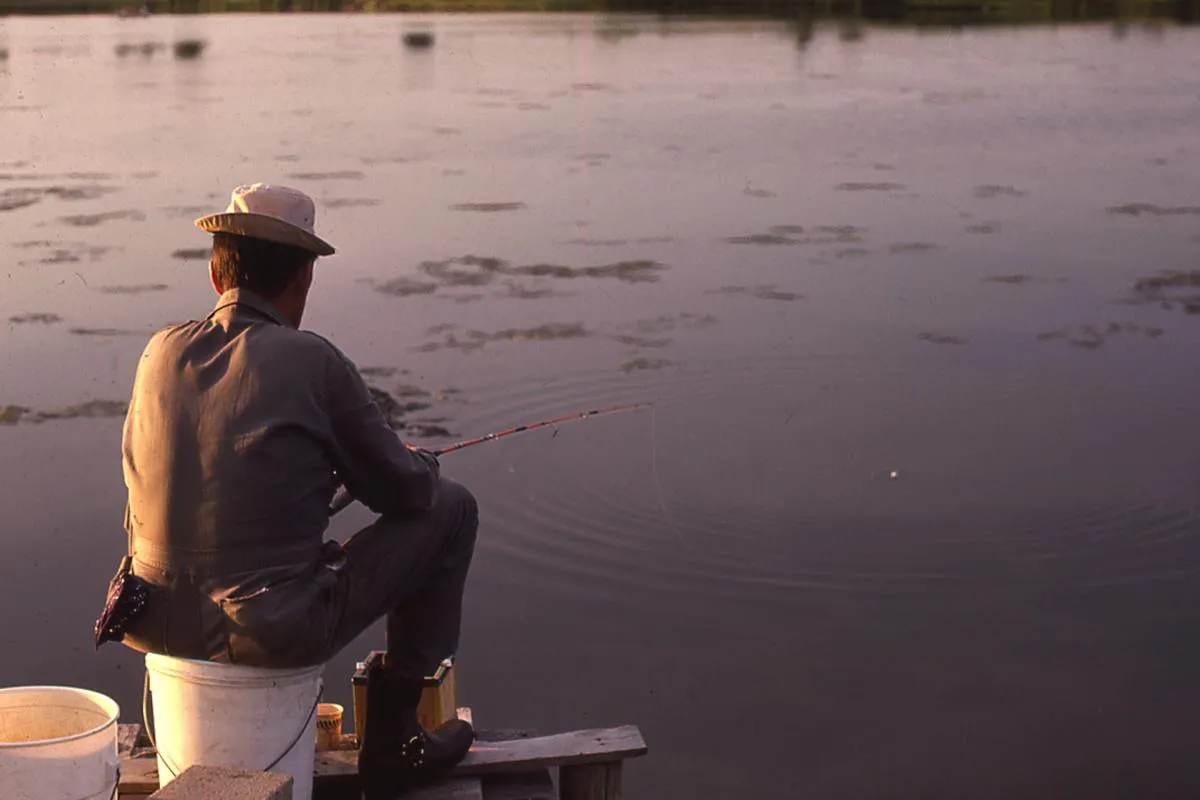
When the summer sun pushes Indiana water temperatures into the 80s and daytime fishing slows to a crawl, the smartest anglers in the state are just getting started. They’re rigging up at dusk, launching boats under purple skies, and fishing through the night when some of Indiana’s biggest fish are at their most vulnerable.
Night fishing in Indiana is not only legal — it’s often the most productive fishing you’ll do all year. Catfish prowl shallow flats they’d never visit during daylight. Walleye push up onto points and reefs to feed. Bass explode on topwater lures under a full moon. If you’ve never tried it, you’re missing some of the best fishing the Hoosier State has to offer.
This guide covers everything you need to know: regulations, species, spots, gear, techniques, and safety.
Indiana Night Fishing Regulations
Night fishing is legal on all Indiana public waters with no statewide hour restrictions. You can fish from sunset to sunrise on any lake, reservoir, river, or stream that’s open to public fishing. Your regular Indiana fishing license is all you need — there is no special night fishing permit.
However, there are some important exceptions and details to know:
- City and county parks — Many municipal parks close at dusk or 11 PM. Even if the lake inside the park is public water, you may not be able to legally access it after dark. Check posted hours before you go.
- State park gates — Most Indiana state park gates close at 11 PM and reopen at 7 AM. If you’re bank fishing inside the park, you may need to arrive before the gate closes and plan to stay until morning. Boat ramps outside the gate are usually accessible 24 hours.
- Bowfishing at night — Night bowfishing is legal on lakes, reservoirs, and large rivers (Class 1 and Class 2 streams) in Indiana. Bowfishing is not permitted at night on small streams or creeks. You must use a light to illuminate your targets. Common night bowfishing targets include carp, gar, and buffalo.
- Trotlines and limb lines — Legal in Indiana rivers and must be checked at least once every 24 hours. They must be tagged with the angler’s name and address.
- Navigation lights — If you’re fishing from a boat at night, Indiana law requires you to display proper navigation lights: a red/green bow light and a white stern light visible from at least one mile.
All standard Indiana fishing regulations — bag limits, size limits, and seasonal closures — apply equally at night. There’s no bonus for fishing in the dark.
Best Night Fishing Species in Indiana
Not every fish feeds actively at night, but several of Indiana’s most popular species are actually more catchable after sunset than during the day.
Channel Catfish — The Premier Night Species
If there’s one fish built for night fishing, it’s the channel catfish. These fish have an extraordinary sense of smell and taste — their entire body is covered in chemoreceptors that detect food in total darkness. When the sun goes down, channel cats leave deep holes and move onto shallow flats, sandbars, and rip-rap banks to feed aggressively.
Indiana stocks channel catfish in dozens of public lakes and urban ponds. You’ll find them in virtually every reservoir, river, and decent-sized creek in the state. The best catfish waters include Monroe Lake, Patoka Lake, the White River, the Wabash River, and the Ohio River.
Night tactics: Bottom rigs baited with cut shad, chicken liver, or prepared stink bait fished on shallow flats adjacent to deeper water. Fresh cut bait outperforms everything else most nights. Cast out, set the rod in a holder, and wait for the rod tip to load up.
Flathead Catfish — The Night Predator
Flathead catfish are ambush predators that do almost all of their feeding after dark. These are Indiana’s biggest catfish — fish over 40 pounds are caught every year in the White River, Wabash River, and Ohio River systems. Unlike channel cats, flatheads are almost exclusively live-bait feeders.
Night tactics: Fish live bluegill, green sunfish, or creek chubs on a slip sinker rig near submerged logs, bridge pilings, or outside river bends. Flatheads hold in heavy cover during the day and roam adjacent flats at night. The first two hours after dark are often the hottest window.
Walleye — Night Trolling and Shallow Runs
Walleye have oversized eyes adapted for low-light vision, which gives them a feeding advantage at night. On Indiana’s best walleye lakes — Brookville, Salamonie, Mississinewa, and Tippecanoe — walleye push from deep daytime holding spots onto shallow points, reefs, and flats after sunset to ambush shad and minnows.
Night tactics: Slow-trolling crankbaits (Rapala Shad Raps, Reef Runners) at 1.5-2.0 mph along 8-15 foot contours. Shore anglers do well casting jigs tipped with nightcrawlers onto points and rocky shorelines. At Brookville, some of the biggest walleye of the year are caught by trollers working the lake between 10 PM and 2 AM.
Largemouth Bass — Topwater Under the Moon
Largemouth bass don’t have the low-light eye structure of walleye, but they still feed effectively at night using their lateral line to detect vibration and movement. Night bass fishing in Indiana is at its best during the full moon, when enough ambient light illuminates the shallows for bass to hunt visually.
Night tactics: Throw dark-colored topwater lures — black buzzbaits, Jitterbugs, and Whopper Ploppers — along shoreline cover, dock edges, and weed lines. The commotion on the surface draws explosive strikes. Slow-rolling a black or dark blue spinnerbait along the bottom in 3-8 feet of water is another deadly approach. Fish the shady side of lighted docks where bass ambush baitfish drawn to the light.
Crappie — Dock Light Specialists
Crappie may be the most underrated night fishing target in Indiana. Lighted boat docks, marina lights, and bridge lights attract clouds of tiny zooplankton and minnows. Crappie follow the food chain and stack up in the shadows just outside the ring of light, picking off baitfish that wander too close to the edge.
Night tactics: Use a slip float rig with a small jig (1/16 oz) tipped with a minnow. Set your depth to keep the bait in the shadow line where light meets dark. Work systematically around lighted docks — if crappie are present, you’ll know within five minutes. Geist Reservoir, Morse Reservoir, and Monroe Lake all have excellent dock light crappie fishing.
White Bass — Feeding Frenzies Under Lights
White bass are schooling predators that feed by sight, and artificial lights over water concentrate them like nothing else. During summer nights, white bass will push baitfish against lighted seawalls, bridge abutments, and marina structures, creating visible surface feeding frenzies.
Night tactics: Cast small inline spinners (Rooster Tails, Blue Fox), curly tail jigs, or small crankbaits into the light and retrieve steadily. When you find a school feeding under lights, the action can be nonstop. Brookville Lake, Monroe Lake, and Cecil M. Harden Lake all have strong white bass populations.
Best Night Fishing Spots in Indiana
Certain types of structure and certain bodies of water consistently produce better at night than others. Here’s where to focus your efforts.
Tailwaters and Dam Discharges
The water below dams is among the most productive night fishing habitat in the state. Current pushes baitfish through the discharge, and predators — especially catfish — stack up to feed. The tailwaters below the following dams are outstanding at night:
| Location | Target Species | Access |
|---|---|---|
| Markland Dam (Ohio River) | Channel cat, flathead, white bass | Switzerland County |
| Cannelton Dam (Ohio River) | Channel cat, flathead, blue cat | Perry County |
| Brookville Dam tailwater | Walleye, saugeye, channel cat | Franklin County |
| Mississinewa Dam tailwater | Walleye, channel cat | Miami County |
| Mansfield Mill Dam (Big Raccoon Creek) | Smallmouth, channel cat | Parke County |
Tailwaters fish well at night year-round but are especially productive from May through October when water temperatures are warmest and catfish are most active.
Lighted Docks and Marinas
Any body of water with residential development and boat docks becomes a night fishing playground. Dock lights create a natural food chain: light attracts plankton, plankton attracts minnows, minnows attract crappie and bass, bass attract you.
Top dock-light waters:
- Geist Reservoir — Hundreds of lighted docks along the shoreline. Excellent for crappie, bass, and bluegill at night. Geist is one of the most accessible night fishing lakes near Indianapolis.
- Morse Reservoir — Similar dock density to Geist, with good crappie numbers under lights.
- Lake Wawasee — Northern Indiana’s largest natural lake, with extensive dock lighting. Good for bass and panfish at night.
- Lake James — Lighted docks in Pokagon State Park area hold bass and crappie through summer nights.
Specific Lake Recommendations
Brookville Lake — The best night walleye fishing in Indiana. Troll the main lake points and the old river channel from sunset to midnight. Also excellent for channel catfish along the rocky shorelines. The Quakertown State Recreation Area provides 24-hour ramp access.
Monroe Lake — Indiana’s largest lake is a night fishing factory. Flathead catfish over 30 pounds are caught regularly in the upper lake near the Crooked Creek arm. Channel catfish are everywhere. Bass smash topwater along the stumpy flats after dark. The Fairfax, Paynetown, and Hardin Ridge ramps are all accessible at night.
Patoka Lake — Outstanding night crappie and catfish. The standing timber in the upper lake arms holds crappie around dock lights and bridge pilings. Channel catfish feed on the mud flats in the mid-lake area.
Ohio River — From Lawrenceburg to Mount Vernon, the Ohio River is night catfishing at its finest. The river’s warm water temperatures keep catfish active from April through November. Concentrate on outside bends, wing dams, and the tailwaters below dams. Both channel catfish and flatheads are abundant, with an increasing population of blue catfish in the lower river.
White River — The stretch through Indianapolis from Broad Ripple to Southport produces channel catfish and flatheads all night long during summer. Public access points along the White River Greenway make this an excellent bank fishing option after dark.
Essential Night Fishing Gear
You don’t need to buy a whole new set of equipment for night fishing, but a few key additions will make your trips safer and far more productive.
Lighting
- Headlamp with red-light mode — This is the single most important piece of night fishing gear. Red light lets you tie knots, bait hooks, and land fish without destroying your night vision. White light blinds you for 15-20 minutes every time you use it. Budget $15-30 for a good one.
- Glow sticks for rod tips — Snap-and-glow sticks taped to your rod tip make bite detection easy when you’re fishing multiple rods. They’re cheap, reliable, and last all night.
- Lighted bobbers — Essential for catfish and crappie fishing at night. The Thill Nite Brite series is popular and available at most Indiana bait shops.
- Black light (UV light) — If you use fluorescent monofilament line, a black light makes it glow bright green, letting you see your line at night. Useful for detecting subtle bites when bottom fishing.
- Backup flashlight — Always carry a second light source. If your headlamp dies, you need to be able to navigate safely.
Tackle Adjustments
- Darker lure colors — At night, bass and walleye see lures as silhouettes against the sky. Black, dark purple, and dark blue lures create the strongest silhouette. This seems counterintuitive, but dark lures outfish bright ones at night.
- Noisier lures — Rattling crankbaits, buzzbaits, and blade baits help fish locate your lure by sound. The Colorado-blade spinnerbait, which produces more thump and vibration than a willowleaf, is a night fishing staple.
- Heavier line — At night, fish can’t see your line, so there’s no penalty for going heavier. Bump up to 15-20 lb monofilament or 30-40 lb braid. You’ll lose fewer fish in the dark.
Comfort and Safety
- Bug spray — Mandatory from May through September. Mosquitoes are significantly worse near water at night. DEET-based repellents work best.
- Landing net — Even more important at night than during the day. A rubber-mesh net prevents hooks from tangling and lets you control fish you can’t see well.
- Organized tackle — Pre-rig rods before dark. Organize your tackle box so you can find everything by feel. Fumbling through a tackle box with a headlamp attracts bugs and wastes fishing time.
- Rod holder stakes — For bank fishing, these keep your rods secure and your hands free. A catfish dragging your rod into the water at midnight is not a good time.
Night Fishing Techniques by Species
Bottom Fishing for Catfish
The most popular and productive night fishing technique in Indiana is simple bottom fishing for channel catfish. Here’s the setup:
- Rig: Slip sinker rig — 1-2 oz egg sinker above a barrel swivel, 18-inch leader of 20 lb monofilament, and a 2/0-4/0 circle hook.
- Bait: Fresh cut shad or skipjack herring for channel catfish. Live bluegill (4-6 inches) for flatheads. Prepared dip bait on a treble hook for urban ponds.
- Location: Cast to shallow flats adjacent to deeper channel breaks. Sandbars, rip-rap banks, and the mouths of creek arms are prime spots.
- Method: Cast out, engage the reel, and set the rod in a holder. Use a tight line so you feel the bite immediately. With circle hooks, don’t set the hook — just reel steadily and the hook will find the corner of the mouth.
Slow-Rolling Spinnerbaits for Bass
Night bass fishing is some of the most exciting angling in Indiana. The technique is straightforward:
- Rig: 3/8 or 1/2 oz black spinnerbait with a single Colorado blade on a 7-foot medium-heavy baitcasting rod. Spool with 17-20 lb fluorocarbon or monofilament.
- Location: Shoreline cover — docks, laydown trees, weed edges, rip-rap banks. Focus on the first 10 feet of water.
- Method: Cast tight to cover and retrieve slowly — just fast enough to feel the blade turning. Let the lure bump off structure. Strikes are usually savage and unmistakable.
Alternatively, throw a black buzzbait across the surface. The squealing, gurgling retrieve drives bass crazy at night, especially during the full moon.
Trolling for Walleye
Night trolling for walleye is a Brookville Lake and Salamonie Lake tradition. Here’s how it’s done:
- Rig: Medium-action trolling rods with line-counter reels spooled with 10-12 lb monofilament. Tie on #5 or #7 Rapala Shad Raps or Reef Runner 800 series crankbaits in natural colors (silver/black, perch, shad).
- Speed: 1.5-2.0 mph. Use your trolling motor or main motor at low RPM.
- Depth: Target 8-15 feet over main lake points, rock humps, and the edges of the old river channel.
- Method: Let out 80-120 feet of line to get the crankbait to the right depth. Troll along contour lines, making S-turns periodically to speed up and slow down the inside and outside lures. Walleye often hit on the speed change.
Vertical Jigging Under Lights for Crappie
Dock light crappie fishing is peaceful, productive, and perfect for summer nights:
- Rig: Ultralight spinning rod, 4-6 lb monofilament, 1/16 oz jig head with a small tube or curly tail grub in white, chartreuse, or pink.
- Location: Position your boat 15-20 feet from a lighted dock. Look for the shadow line where light meets darkness.
- Method: Use a slip float set to suspend your jig at the depth where crappie are holding — usually 4-8 feet. Cast to the shadow line and let the float sit. Crappie often take the jig on the initial drop or within the first minute.
Safety Considerations
Night fishing is safe when you’re prepared and reckless when you’re not. Follow these guidelines every time:
- Tell someone your plan. Leave a note or send a text with your location, expected return time, and who’s with you. This is the single most important safety step.
- Know your surroundings before dark. Arrive at your fishing spot while it’s still light. Walk the bank, note hazards, identify your path back to the car. Everything looks different in the dark.
- Wear a PFD on the boat. Indiana doesn’t require adults to wear life jackets while fishing, but at night, a fall overboard can turn fatal quickly. Wear an inflatable PFD — you’ll forget it’s there until you need it.
- Carry a fully charged phone. Your phone is your emergency lifeline, your GPS, and your backup flashlight. Start the night at 100% battery.
- Watch for storms. Summer thunderstorms develop fast in Indiana. Check the forecast before you go and monitor radar on your phone. Lightning on the water is immediately dangerous — get off the lake at the first sign of a storm.
- Bring a first aid kit. Hook removals, cuts from fish spines, and twisted ankles on dark trails are all common night fishing injuries. A small first aid kit handles all of them.
- Use navigation lights. If you’re in a boat, your red/green bow light and white stern light must be on at all times between sunset and sunrise. This is Indiana law and it keeps you from getting hit by other boats.
Best Times for Night Fishing
Not all nights are created equal. Here’s how to pick the best ones:
Moon Phase
- New moon (no moon) — Darkest nights produce the best catfishing. Channel cats and flatheads feed more aggressively when there’s zero ambient light. This is the best moon phase for bait fishing on the bottom.
- Full moon — Best for bass and walleye. The extra light lets bass hunt visually, triggering aggressive topwater strikes. Walleye feed heavily on moonlit shallow flats. Full moon nights in June and July are prime time on Brookville and Monroe.
- Quarter moon — A good compromise that produces decent fishing for all species.
Seasonal Timing
| Season | Night Fishing Quality | Best Targets |
|---|---|---|
| March-April | Fair — water still cool, fish less active at night | Walleye (spawning runs) |
| May-June | Excellent — warming water activates night feeding | All species, catfish peak |
| July-August | Peak — hottest days push all feeding to nighttime | Catfish, bass, crappie |
| September-October | Good — shorter nights, cooling water, active feeding | Catfish, walleye, bass |
| November-February | Slow — cold water reduces night activity | Limited (catfish in warm discharges) |
Time Windows
The first two hours after sunset and the last two hours before sunrise are consistently the most productive. Fish feed as they transition between daytime and nighttime holding patterns. The 10 PM to 2 AM window can be slow on some nights, especially under a bright moon when fish may have already fed during the earlier transition.
On the hottest summer nights — when air temperatures stay above 75 degrees — catfish may feed all night long. These are the nights when you catch 30 channel cats from the bank on cut shad and wonder why you ever fished during the day.
Getting Started
If you’ve never night fished in Indiana, here’s the simplest way to start: pick a summer evening in June, July, or August. Drive to a public lake or river access point you already know. Bring a medium-heavy rod rigged with a slip sinker and circle hook, a pack of fresh chicken liver or cut shad from a local bait shop, a headlamp, bug spray, and a folding chair. Arrive an hour before sunset, set up on the bank, cast out, and wait.
Within an hour of darkness, you’ll understand why night fishing has a devoted following in Indiana. The temperature drops, the crowds disappear, and the catfish come to you.
For more species-specific information, see our guides on catfish fishing in Indiana, crappie lakes, and Brookville Lake. If you’re looking for a guided trip, check our fishing guides directory for captains who specialize in night trips.
Frequently Asked Questions
Is night fishing legal in Indiana?
Yes. Night fishing is legal on all Indiana public waters year-round. There are no statewide hour restrictions on fishing. However, some city parks and a few state park gates close at dusk, so you may not be able to access certain shorelines after dark. Always check local park rules before planning a nighttime trip.
What are the best species to catch at night in Indiana?
Channel catfish are the premier night fishing species in Indiana — they feed most aggressively after dark. Flathead catfish, walleye, largemouth bass, crappie, and white bass are also excellent night targets. Catfish and walleye tend to move shallower at night, making them easier to reach from shore.
Do you need special gear for night fishing?
You don't need expensive specialized equipment, but a few additions make a big difference. A headlamp with a red-light mode preserves your night vision while letting you tie knots. Glow sticks or lighted rod tips help detect bites. Lighted bobbers work well for catfish and crappie. Bug spray is essential during summer nights.
What are the best night fishing lakes in Indiana?
Brookville Lake is outstanding for night walleye trolling. Monroe Lake produces giant channel and flathead catfish after dark. Geist Reservoir's many lighted docks attract crappie and bass at night. The Ohio River tailwaters below Markland and Cannelton dams are among the best night catfishing spots in the Midwest.