What Is a Plastic Lizard?
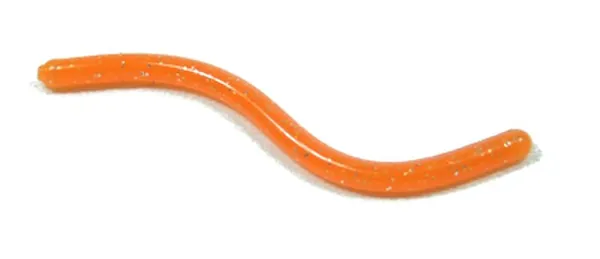
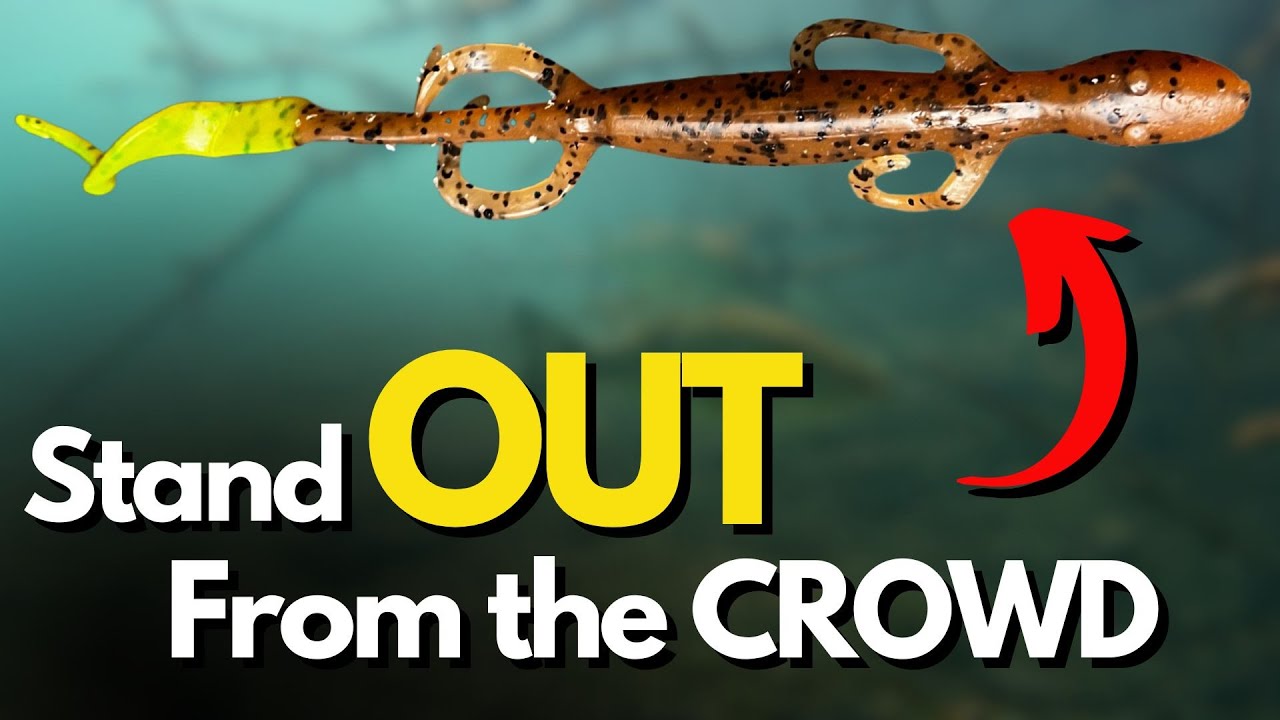
A plastic lizard is a soft-plastic bait shaped like a salamander or newt — four legs, a long curly or paddle tail, and a body roughly 4 to 8 inches long. The original Zoom Lizard was the standard for decades, and the design has barely changed since the 1970s because it works.
The reason it works is biological. Salamanders and newts eat bass eggs. They live in the same shallow, structure-rich habitat where bass spawn. When a bass sees a lizard near its bed or fry, the response isn’t about hunger — it’s about defending offspring. That makes the lizard one of the most reliable spawn-period baits in freshwater fishing.
When to Throw a Lizard
Pre-spawn through post-spawn (late April through early June in central and southern Indiana, slightly later in northern lakes). This is the peak window. Bedded bass, fry guarders, and pre-spawn females all attack lizards as if the lizard were threatening their territory.
Summer for Carolina-rig deep flats and ledge fishing. The big-water profile of a 6-inch lizard on a C-rig is one of the best summer presentations on lakes like Monroe and Patoka.
Fall as a moving search bait through grass and around laydowns. The kicking legs and tail produce a different action profile from worms and creature baits — sometimes that’s exactly what pressured fall bass want.
The Five Best Ways to Rig a Lizard
1. Texas Rig (the spawn standard)
Bullet weight (1/4 to 3/8 oz tungsten), pegged or unpegged, with a 4/0 EWG hook. Cast onto and around bass beds, let it sink, and shake or drag slowly. This is the most-used rig and the one to know first. See the Texas rig gear page for setup details.
2. Carolina Rig (deep-water and ledge specialist)
A 1/2 to 3/4 oz egg sinker, swivel, 24-36 inch fluorocarbon leader, and a 4/0 EWG hook. Drag slowly across deep flats, ledges, and main-lake humps in summer. The lizard floats up off bottom on the leader, presenting a mid-column profile that bass on Indiana ledges crush. See the Carolina rig gear page for setup.
3. Weightless (shallow grass and pad fields)
Just an EWG hook, no weight. Texas-rig the lizard so it’s weedless, cast it into shallow grass or onto pad fields, and twitch it slowly. The slow horizontal fall and natural action are deadly on shallow post-spawn bass.
4. Wacky Rig (clear-water finesse)
Run a wacky hook through the lizard’s belly, midway between the front and rear legs. Cast and let fall on slack line. The two ends of the bait quiver during the fall — a presentation that’s been mostly forgotten but still produces on pressured clear-water bass.
5. Split-Shot Rig (the underrated finesse method)
A small 1/16 to 1/8 oz split shot pinched 12-18 inches above a 2/0 hook. Cast, let sink, and slow-retrieve. This presentation rises and falls subtly with rod tip movement. It’s an old-school method that excels for smallmouth bass on Indiana rivers and pressured finesse situations.
Color Selection
Lizards have a few signature colors that have produced for decades:
- Pumpkinseed/green pumpkin — the universal producer. Works in clear and stained water across all seasons.
- Watermelon-red flake — a clear-water Indiana standard.
- Black-and-blue / junebug — for stained water and overcast days.
- Tequila sunrise / chartreuse-and-orange — old-school spawn-period colors that still work, especially in stained water.
- Pink/red — bedding-bass aggressor colors that trigger defensive strikes from females on the bed.
For deeper guidance on color, see Bass Lure Color Selection Guide.
Best Indiana Waters for Lizard Fishing
Reservoirs with a strong spawn: Monroe, Patoka, and Brookville have shallow flats and pockets that produce great lizard fishing during the late-April to mid-June spawning window.
Natural lakes with shallow grass: Wawasee, Webster, and Tippecanoe — pad fields and grass beds during the spawn produce on weightless lizards.
Farm ponds: Almost any Indiana farm pond with bass populations will fish well on a Texas-rigged lizard during the spawn. This is the perfect bait for pond bass that have seen every other lure.
River backwaters: Slack water on the White River and Wabash produces during spring spawning runs.
Tackle
A 7’ to 7’2” medium-heavy fast-action baitcasting rod, 12-15 lb fluorocarbon for Texas rigs, 15-17 lb for Carolina rigs, and a 7:1 reel. Lighter spinning gear with 8-10 lb fluorocarbon works for the finesse rigs (wacky and split shot) on pressured clear-water fish.
Why You Should Carry Lizards
Lizards aren’t trendy. You won’t see professional anglers chasing them on tournament Sundays — but you’ll see veteran Indiana bass anglers reach for a 6-inch pumpkinseed lizard around a bedding flat in May, and they’ll outfish the guy throwing the latest creature bait. Don’t overlook this bait. Keep a pack of green-pumpkin and one of black-and-blue lizards in the boat, and you’ll have an answer for spawning bass that nothing else triggers.
For related rigs and presentations, see the Texas rig, Carolina rig, creature baits, and plastic worms pages.