Your Kid's First Fishing Trip in Indiana: Complete Parent's
April 2, 2026

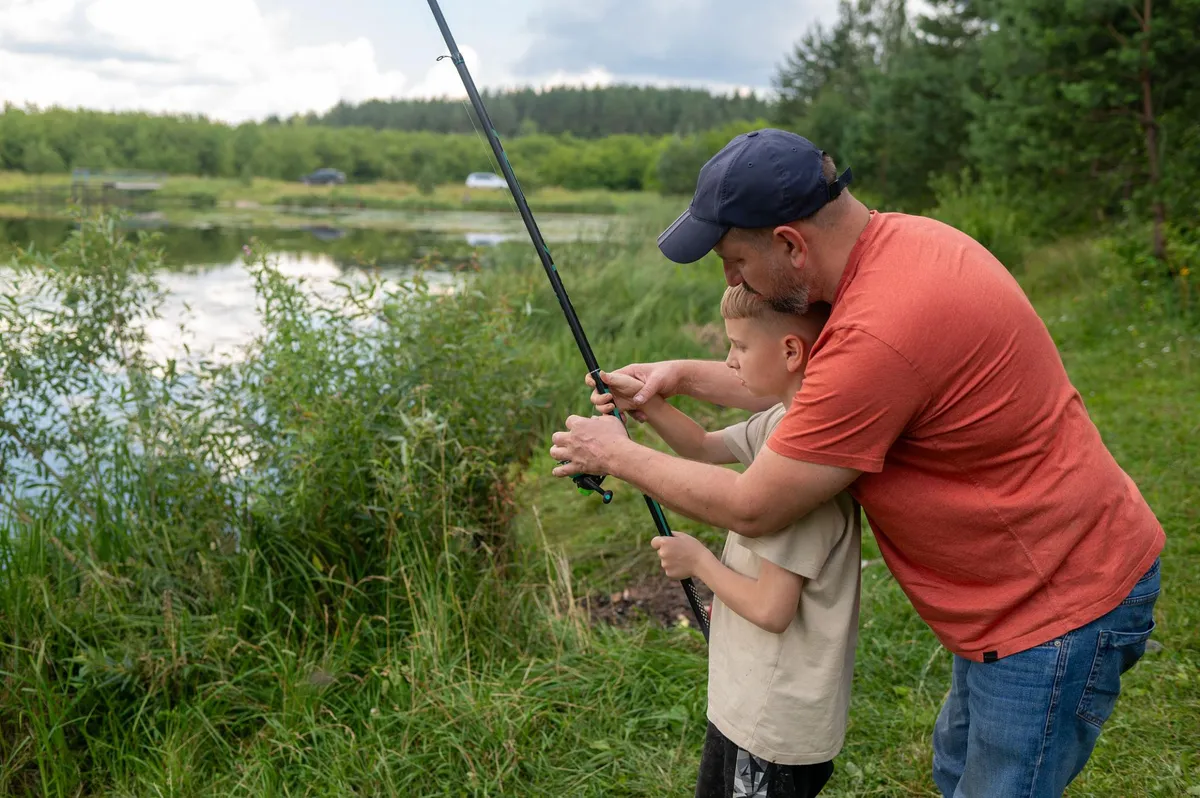
Your child’s first fishing trip sets the tone for years of outdoor adventures together. Indiana is one of the best states to start — kids under 18 fish free, the DNR stocks hundreds of urban ponds for easy access, and family-friendly fishing spots are within a short drive of every major city. This guide walks you through everything you need to make that first trip a success.
Choosing the Right Gear by Age
The single biggest factor in a successful first trip is matching the gear to your child’s age and ability. Too much gear overwhelms them. The wrong rod frustrates them. Keep it simple.
Ages 4-7: Push-Button Spincast
A push-button spincast combo is the only rod a young child needs. The closed-face reel eliminates tangles, and the one-button cast is intuitive enough for a 5-year-old to learn in minutes. Look for a combo in the 4-5 foot range — adult rods are too long and heavy for small hands.
Pair it with a bobber rig: a #6 baitholder hook, a clip-on bobber, and a small split shot sinker. Thread a piece of nightcrawler on the hook, set the bobber 2-3 feet deep, and cast near structure. This rig catches bluegill, crappie, and channel catfish — the three most cooperative species for young anglers.
Ages 8-12: Spinning Combo
Kids in this age range are ready for a basic spinning combo in the 5-5.5 foot range with a size 1000-2000 reel. Spinning reels cast farther and handle more fishing situations. Expect a learning curve of 2-3 trips before casting feels natural.
At this age, kids also start wanting their own small tackle box. A basic kit with hooks, bobbers, sinkers, a few small jigs, and some soft plastics gives them choices without overwhelming them.
Ages 13+: Match the Target Species
Teenagers who have been fishing can handle species-specific setups. A medium-power spinning rod covers bass and catfish. If they are interested in specific techniques, consider a trip with a local fishing guide who can teach advanced skills with professional equipment.
For detailed gear recommendations and budget options, see our kids fishing gear guide.
Safety First: The Non-Negotiable Checklist
Before you worry about catching fish, cover the safety basics.
Life jackets are required for children on boats and strongly recommended when fishing from docks, piers, or steep banks. Even strong swimmers can be surprised by a slip on wet rocks.
Sunscreen and bug spray go on before you leave the house. Indiana mosquitoes are relentless near water, especially at dawn and dusk. Reapply sunscreen every two hours — water reflection intensifies UV exposure.
Closed-toe shoes are mandatory. Flip-flops and fishing hooks are a bad combination. Sneakers or water shoes protect against hooks, rocks, and broken glass on shorelines.
Hook safety rules should be established before anyone picks up a rod. The main rule: reel in before walking. A dangling baited hook at kid height is an emergency waiting to happen. Consider using barbless hooks or crimping down barbs — they are easier to remove from both fish and fingers.
Hydration and snacks matter more than you think. Bring twice the water you expect to need. Pack crackers, fruit, and granola bars. A hungry, dehydrated kid will want to leave before the fish start biting.
Best Starter Locations in Indiana
The ideal first-trip spot has four things: easy shoreline access, stocked fish that bite readily, restrooms nearby, and shade. Here are the best options by region.
Indianapolis Area
Eagle Creek Reservoir on the west side offers excellent shoreline fishing for bluegill and channel catfish near the dam area and several coves. The park has restrooms, picnic areas, and a nature center for when kids need a break. See our Eagle Creek fishing guide for access details.
Geist Reservoir on the northeast side has multiple public access points with shoreline fishing. The Fall Creek area near the dam is particularly accessible for families. Strong populations of bluegill, crappie, and catfish make this a reliable choice.
Prairie Creek Reservoir southeast of Muncie is a quieter alternative with good shoreline access, a fishing pier, and consistent panfish action. Less crowded than the bigger Indianapolis-area reservoirs.
Fort Harrison State Park — Delaware Lake inside the park is stocked with bluegill and catfish. The park offers restrooms, picnic shelters, and hiking trails. A state park vehicle entry fee applies ($7 in-state).
Northern Indiana
The lake country of northern Indiana offers outstanding family fishing. Lake Wawasee and Webster Lake in Kosciusko County have public access areas with good panfish from shore. Tippecanoe Lake is another excellent option with clear water and healthy bluegill populations.
Southern Indiana
Patoka Lake in Dubois County has multiple fishing piers, a marina, and a beach for cooling off between fishing sessions. At 8,800 acres, there is always room to find a quiet spot.
Monroe Lake in Monroe County is Indiana’s largest lake. The Paynetown and Hardin Ridge recreation areas have good shoreline access and fishing piers. Spring crappie fishing here is outstanding.
Brookville Lake in Franklin County rounds out the southern options with excellent fishing piers and a healthy mix of species including walleye, bass, and panfish.
Keeping Kids Engaged
The number one mistake parents make is treating a kid’s fishing trip like an adult fishing trip. Here is what actually works.
Keep It Short
Plan for 60-90 minutes of fishing for kids under 8. If things are going well, stay longer. But leaving while they are still having fun ensures they will ask to come back. Leaving after a meltdown ensures they will not.
Bring the Bucket
A 5-gallon bucket filled with lake water becomes a temporary aquarium. Kids love watching their caught bluegill swim in circles. It gives them something to show off, count, and talk about. Release the fish before you leave.
Let Them Wander
A child who puts down the rod to chase frogs, throw rocks, or collect sticks is not doing fishing wrong. They are being a kid near water. The rod will be there when they come back. Do not force attention on the bobber.
Celebrate Everything
A 4-inch bluegill deserves a high-five, a photo, and genuine enthusiasm. Never downplay a small catch or compare it to what the adults are catching. Every fish a kid catches is a trophy.
Skip the Lectures
Resist the urge to explain drag settings, knot types, and fish anatomy on the first trip. Show the basics, let them try, and help when asked. Save the instruction for trip number five.
Indiana’s Free Resources for Families
The Indiana DNR actively supports youth fishing. Take advantage of these programs.
Free Fishing Days in 2026 fall on May 10, June 6-7, and September 26. On these days, nobody needs a license — not even adults. Many state parks host special family events with loaner gear and instruction.
Learn to Fish Clinics are offered free at state parks and nature centers throughout the year. The DNR provides loaner equipment and instructors who teach casting, knot tying, and fish identification.
Urban Fishing Program sites in Indianapolis, Fort Wayne, Evansville, and other cities receive regular stockings of channel catfish and sometimes rainbow trout. These ponds are specifically chosen for easy shoreline access.
For adults accompanying their children, a resident annual fishing license costs $23, or a one-day license is $10. Purchase online at the Indiana DNR website.
Making It a Tradition
The goal of a first trip is not catching a trophy. It is creating an experience positive enough that your child asks to go again. Start with a stocked pond close to home, bring a basic rod and some worms, plan for a short trip, and let your child set the pace.
When they are ready for more, explore our guides to the best family-friendly fishing spots, best fish for kids to catch, and kids fishing gear recommendations. Consider booking a half-day trip with a local fishing guide who specializes in family outings. And stop by a local bait shop before your trip — the staff can tell you exactly what is biting and where.
The best time to take a kid fishing is whenever they are willing to go.
Frequently Asked Questions
What gear do I need for my child's first fishing trip in Indiana?
For kids under 8, a push-button spincast combo (like a Zebco 202) in the 4-5 foot range is ideal. Pair it with #6 baitholder hooks, clip-on bobbers, split shot sinkers, and a container of nightcrawlers. The total cost is under $50. For kids 8 and older, a basic spinning combo in the 5-5.5 foot range works better long-term.
Do kids need a fishing license in Indiana?
No. Anyone under 18 can fish in Indiana without a license, permit, or registration. This applies to both residents and non-residents. Kids must still follow all bag limits, size limits, and seasonal regulations. The supervising adult does need a valid Indiana fishing license.
What are the best starter fishing locations near Indianapolis?
Eagle Creek Reservoir, Geist Reservoir, and Prairie Creek Reservoir all have accessible shoreline areas ideal for families. For smaller, more manageable spots, try Krannert Lake in Broad Ripple or Dubarry Park Pond on the northwest side — both are DNR Urban Fishing Program sites stocked with channel catfish.
How do I keep my child interested during their first fishing trip?
Keep trips under two hours for kids under 8. Bring plenty of snacks, let them explore the shoreline between bites, and celebrate every catch regardless of size. A 5-gallon bucket filled with lake water makes a great temporary aquarium that keeps kids engaged. Leave while they are still having fun so they want to come back.