Indiana Fishing in May 2026 — Bluegill Spawn, Bass Beds, White Bass Run
April 30, 2026
May is the single busiest fishing month in Indiana. Every species that spawns in spring is either on the beds, just finishing, or staging — and the warming water has every fish in the state feeding aggressively. If you only fish a few months a year, fish in May.
Here is what is biting right now and where to find it.
Bluegill: The Spawn Is On
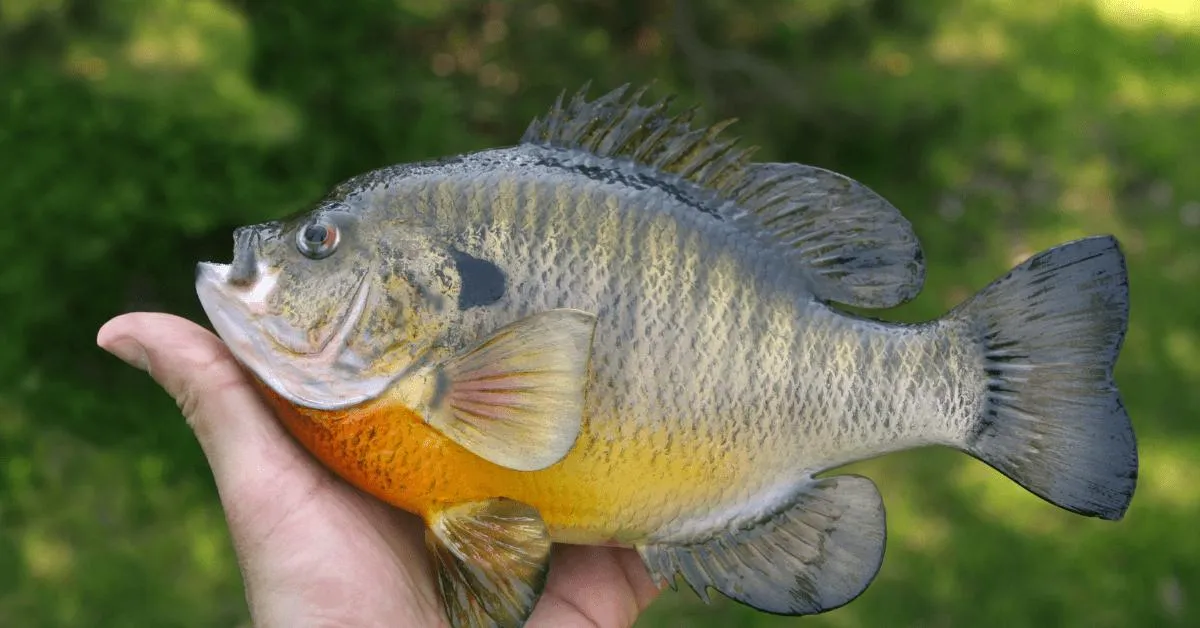
May is the marquee month for bluegill and redear sunfish — Indiana’s most popular panfish. The spawn peaks across the state from mid-May through early June, with southern Indiana lakes spawning first and northern lakes finishing last.
What Is Happening
Bluegill build dish-shaped spawning beds in colonies of 20-100 nests in 2-4 feet of water. Males guard the beds aggressively, attacking anything that approaches — including small jigs, worms, and flies. Once you locate a bed colony, the bite is constant.
Bed colonies are most common in:
- Protected coves with sand or gravel bottoms
- Shallow flats off the main lake
- North-facing shorelines that warm fastest
- Backs of boat docks
Where to Go
Lake Wawasee and other natural lakes in Kosciusko and Steuben counties — clear water makes spotting beds easy.
Monroe Lake — the Allens Creek and Salt Creek arms hold massive bluegill bed colonies in May.
Patoka Lake — the upper end and creek arms warm first; bluegill spawn earlier here than central Indiana lakes.
Farm ponds — the most consistent bluegill spawning fishery in Indiana. Get permission, sneak up quietly, and look for the spawning beds visible in shallow water.
How to Catch Them
Live worms, crickets, or wax worms under a small bobber set 2-3 feet deep. Cast within 6 feet of visible beds — the male bluegill will smash the bait. Small jigs (1/64 to 1/32 oz) in pink, white, or chartreuse work just as well. Fly anglers can catch bluegill on small poppers, foam spiders, or wet flies.
Largemouth Bass: Peak Spawn Period
Largemouth bass spawning peaks in May across most of Indiana — earlier in the south, later in the north. Water temperatures of 65-72°F trigger the spawn.
What Is Happening
Female bass move shallow to fan out spawning beds in 1-4 feet of water. Males guard the beds for 2-4 weeks. Pre-spawn, spawning, and post-spawn bass are all in shallow water during May, but they’re caught with different presentations.
Where to Go
The bass spawn is happening on every Indiana lake, reservoir, and pond. Top spots include:
- Patoka Lake — extensive shallow flats with timber cover
- Monroe Lake — secondary points and creek arm flats
- Brookville Lake — rocky shorelines with smallmouth and largemouth bedding
- Farm ponds — visible bedding bass in clear water
How to Catch Them
Sight fishing beds with soft plastic creature baits or 1/4-oz jigs is the most exciting method — but disrupts spawning. The DNR encourages catch-and-release through mid-June.
Pre-spawn and post-spawn bass hit jerkbaits worked over the flats, lipless crankbaits ripped through grass, wacky-rigged Senkos, and chatterbaits in white. Post-spawn bass aggressively feed in 5-10 feet adjacent to the spawning flats.
The DNR encourages catch-and-release for spawning bass through mid-June.
White Bass: The Spring Run
May is the heart of the white bass run on Indiana rivers — schools of fish push upstream from reservoirs to spawn.
Where to Go
Lower Tippecanoe River (Battle Ground area) — between the Norway/Oakdale dam and the Wabash confluence. Concentrated white bass schools below the dam.
Wabash River — Lafayette downstream through Terre Haute. Look for current breaks, bridge piers, and wing dams where bait stacks up.
East Fork White River — Williams Dam tailwater is a known concentration point.
Lower St. Joseph River (South Bend / Mishawaka area) — Twin Branch Dam tailwater concentrates fish.
Reservoir tailwaters — below the dams at Brookville, Patoka, Monroe, and Mississinewa.
How to Catch Them
White bass aggressively chase small crankbaits, in-line spinners, blade baits, and small jigs. When schooling on the surface, throw small spoons or 3-inch swimbaits into the boil. Fast retrieves work best — white bass are reaction-strike feeders.
A 7-foot medium-action spinning rod with 8-10 lb mono is ideal. Drag tightened — white bass don’t run far but they hit hard.
Crappie: Late Spawn in Northern Indiana
Crappie spawning shifts north in May — southern Indiana lakes finished spawning in late April, but northern natural lakes are at peak in mid-to-late May.
Where to Go
Webster Lake and other natural lakes in Kosciusko County — late-May spawn around the docks and standing timber.
Lake Wawasee — large bays and creek mouths on the south end of the lake.
LaGrange and Steuben County natural lakes — coldest of Indiana’s lakes; crappie spawn typically peaks late May.
Mississinewa Reservoir — post-spawn crappie suspending in the upper end of the reservoir.
How to Catch Them
Same April crappie tactics — small jigs and minnows under bobbers in 2-6 feet of water near brush, docks, and shallow timber. As the spawn finishes, crappie suspend just off the spawning flats — switch to vertical jigging in 10-15 feet.
Walleye: Post-Spawn Feeding
Walleye finished spawning in late March/early April and are now in post-spawn feeding mode. May produces some of the year’s best walleye fishing on Indiana reservoirs.
Where to Go
Brookville Lake — Indiana’s premier walleye fishery. Post-spawn fish feed on points, rocky shorelines, and gravel transitions in 8-15 feet.
Mississinewa Reservoir — strong DNR stocking program. Trolling crawler harnesses behind bottom bouncers along the main lake points produces consistent action.
Salamonie Reservoir — similar pattern to Mississinewa. Riprap, points, and submerged humps hold walleye.
Monroe Lake — the saugeye stocking program has built a growing fishery. Target the deep main-lake points.
How to Catch Them
Jig-and-minnow combinations dragged along bottom in 8-20 feet. Crawler harnesses trolled at 1.0-1.5 mph. Small lipless crankbaits in chrome or gold along rocky shorelines at dawn and dusk.
Stocked Trout: Inland Stream Opening
May 1 marks the start of significant DNR rainbow trout stocking in Indiana’s designated trout streams. Tens of thousands of rainbow trout are released across the state.
Where to Go
The DNR publishes the annual stocking schedule listing every put-and-take stream and pond receiving fish. Top destinations include:
- Pigeon Creek (Pigeon Creek Park)
- Mill Creek
- Cedar Creek (Cedar Creek FWA)
- Stocked park ponds in Indianapolis, Fort Wayne, and South Bend
How to Catch Them
PowerBait on a small treble hook, mealworms, salmon eggs, or small inline spinners. Stocked trout are not selective — they hit almost anything that moves.
Indiana requires a trout stamp ($11) in addition to your standard fishing license to keep trout.
Channel Catfish: Statewide Action
Channel catfish are fully active across Indiana in May. Water temperatures of 60-75°F trigger pre-spawn aggression.
Where to Go
Reservoirs: Patoka Lake, Monroe Lake, Eagle Creek Reservoir, Mississinewa — all DNR-stocked with channel cats.
Rivers: Wabash, White, Tippecanoe — all hold strong channel cat populations year-round.
Farm ponds and city park ponds — excellent for kids; chicken liver under a bobber catches them all evening.
How to Catch Them
Cut shad, chicken liver, nightcrawlers, or commercial stink bait fished on the bottom near current breaks (rivers) or rocky structure (reservoirs). Best action is from late afternoon into the night.
Lake Michigan: Charter Season Peak
The Lake Michigan charter fleet hits full stride in May. Coho salmon, brown trout, lake trout, and the first chinook salmon are all available. Steelhead runs in the tributaries (Trail Creek, Salt Creek, Burns Ditch) wind down by mid-May.
What to Expect
May charters target coho and lake trout trolling close to shore in 30-60 feet of water. Brown trout are active near tributary mouths and warm-water discharges. Chinook salmon become more reliable later in May.
Pier fishing: Indiana’s pier and breakwall season is starting — Hammond, East Chicago, Buffington Harbor, Portage Lakefront, and Michigan City. Cast spoons for brown trout and small smallmouth bass.
Browse Indiana fishing guides for charter captain options.
May Fishing Checklist
- Buy or renew your Indiana fishing license — $23 annual resident
- Add a trout stamp ($11) if you’ll keep stocked trout
- Stock up on small jigs, crickets, and live worms for bluegill
- Buy fresh minnows for crappie
- Pack sunscreen and bug spray — May mosquitoes are out in force
- Check water levels at reservoirs (most are full and rising in May)
- Plan a kids’ fishing trip — May is the easiest month to put kids on fish
Looking Ahead to June
June brings post-spawn patterns across the board, peak hybrid striped bass topwater action, the start of mid-summer Lake Michigan perch fishing, river smallmouth bass thriving in warm water, and the first nights warm enough for serious catfishing. The fishing is excellent but starts trending toward dawn-and-dusk windows as days warm.
For month-by-month fishing guidance, see our best time to fish Indiana guide and Indiana spring walleye guide.
Frequently Asked Questions
What fish are biting in Indiana in May 2026?
May is Indiana's busiest fishing month. Bluegill are spawning on shallow beds — the best panfishing of the year. Largemouth bass are on spawning beds (catch-and-release recommended). White bass are running up rivers. Walleye are post-spawn and feeding aggressively at Brookville and Mississinewa. Channel catfish are active throughout the state. Stocked rainbow trout open in inland streams. Lake Michigan charter season is in full swing.
When do bluegill spawn in Indiana?
Bluegill spawn when water temperatures reach 67-72°F — typically mid-to-late May in central Indiana, late May to early June in northern Indiana, and early-to-mid May in southern Indiana. They build saucer-shaped beds in 2-4 feet of water in protected coves and shallow flats. Once you find a bed colony, the action is non-stop.
Should I keep bass off spawning beds in May?
Indiana's bass season is open year-round, but the DNR strongly encourages catch-and-release for largemouth and smallmouth from March through mid-June while fish are spawning. Removing female bass from beds disrupts reproduction for the entire spring. You can legally keep bass within the 14-inch minimum and 5-fish daily limit, but most ethical anglers release spawning bass to support future fishing.
Where can I find white bass running in May?
White bass run up Indiana rivers from late April through June, peaking in mid-May. Best locations: lower Tippecanoe River (between the dam and the Wabash confluence), the Wabash River below Lafayette, the East Fork White River around Williams Dam, and the lower St. Joseph River around Mishawaka. Look for surface schooling activity and current breaks.